
Introduction to Posture Correction
Posture correction is more than just standing up straight—it's a comprehensive approach to aligning the body in ways that promote health, comfort, and long-term physical well-being. In an era where sedentary lifestyles and digital dependency are prevalent, understanding and addressing postural imbalances has become essential for maintaining quality of life. Whether you're a student, office worker, or athlete, the way you carry yourself can have profound effects on your body’s structure and function.
The Importance of Proper Posture
Good posture is not a fleeting trend but a foundational element of physical health. It involves the alignment of the head, shoulders, spine, hips, and legs in a way that minimizes strain on muscles and joints. When posture is compromised—whether due to poor habits, injury, or lack of awareness—the body compensates by altering movement patterns, which can lead to chronic pain, reduced mobility, and even organ dysfunction. Think of posture as the body’s blueprint; if it’s off, everything else may follow suit.
Common Postural Issues and Their Causes
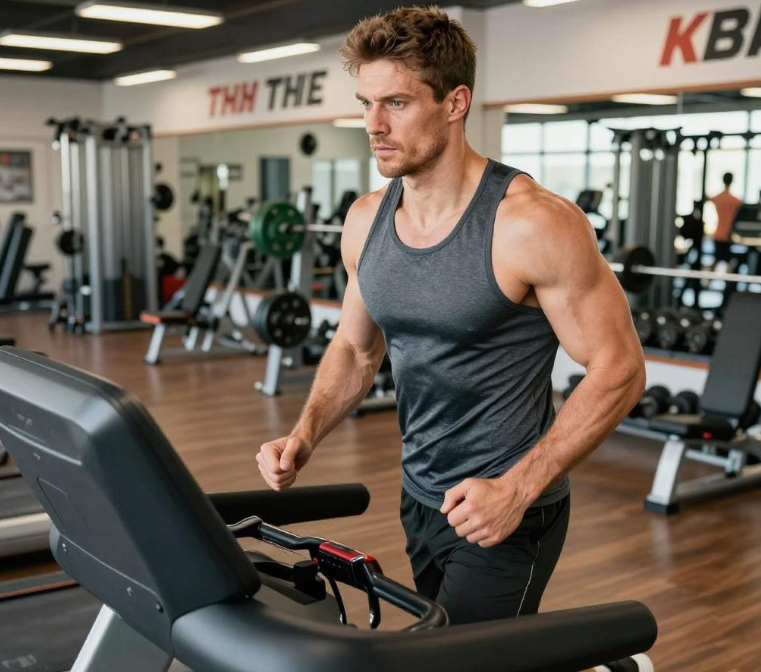
One of the most common postural problems today is forward head posture, often linked to prolonged screen time. This occurs when the head shifts forward, placing excessive pressure on the neck and upper back. Similarly, rounded shoulders and a hunched upper back are frequently seen among individuals who spend long hours at desks or computers. These issues are not just aesthetic concerns; they can contribute to headaches, fatigue, and even breathing difficulties. The root causes vary from lifestyle choices to musculoskeletal imbalances, making each case unique and requiring individualized attention.
Techniques and Strategies for Posture Correction
Correcting posture is a process that involves both awareness and action. Simple adjustments, such as adjusting chair height, taking regular breaks, and using ergonomic tools, can make a significant difference. Strengthening core muscles through targeted exercises like yoga or Pilates helps support the spine and improve overall stability. Additionally, stretching tight muscles—particularly in the chest, shoulders, and lower back—can restore balance and reduce tension. Physical therapy and chiropractic care may also play a role in more severe cases, offering hands-on interventions to realign the body and alleviate discomfort.

The Role of Mind-Body Connection
Posture correction is not solely about physical adjustments; it also involves cultivating a deeper connection between mind and body. Being mindful of how you sit, stand, and move throughout the day can foster healthier habits. Practices such as mindfulness meditation or body scanning can enhance awareness, helping individuals recognize and correct postural deviations in real time. This holistic approach recognizes that posture is not static but a dynamic reflection of one’s mental and emotional state.
Long-Term Benefits of Posture Improvement
The advantages of good posture extend beyond immediate comfort. Over time, maintaining proper alignment can reduce the risk of injuries, improve athletic performance, and even enhance mood and confidence. A well-aligned body functions more efficiently, allowing for better circulation, digestion, and energy levels. Moreover, correcting postural issues can prevent the progression of conditions like scoliosis or degenerative disc disease, offering long-term protection for the musculoskeletal system.
Conclusion
In summary, posture correction is a vital aspect of overall health that deserves attention and effort. By understanding the causes of postural imbalances and implementing practical strategies, individuals can significantly improve their quality of life. Whether through exercise, ergonomic adjustments, or mindful practices, the journey toward better posture is one worth embarking on. After all, the way we carry ourselves is not just a matter of appearance—it’s a reflection of our health, strength, and resilience.
Disclaimer:
1. This article is sourced from the Internet. All content represents the author's personal views only and does not reflect the stance of this website. The author shall be solely responsible for the content.
2. Part of the content on this website is compiled from the Internet. This website shall not be liable for any civil disputes, administrative penalties, or other losses arising from improper reprinting or citation.
3. If there is any infringing content or inappropriate material, please contact us to remove it immediately. Contact us at:
