
The Characteristics of Home Fitness
Home fitness has evolved from a niche activity into a mainstream trend, reshaping how individuals approach physical health and wellness. Unlike traditional gym environments, home-based workouts offer a unique blend of flexibility, personalization, and convenience that appeals to a wide range of users. This article explores the defining features of home fitness, highlighting its distinct advantages and the factors contributing to its growing popularity.
Flexibility in Time and Space
One of the most notable characteristics of home fitness is its inherent flexibility. Individuals can choose when and where to exercise without being constrained by the operating hours of a gym or the need to travel. For example, a busy professional might opt to work out at 6 a.m. before starting their day, while a parent could fit in a quick session after the children go to bed. This adaptability makes home fitness an attractive option for those with unpredictable schedules.
Personalization and Control
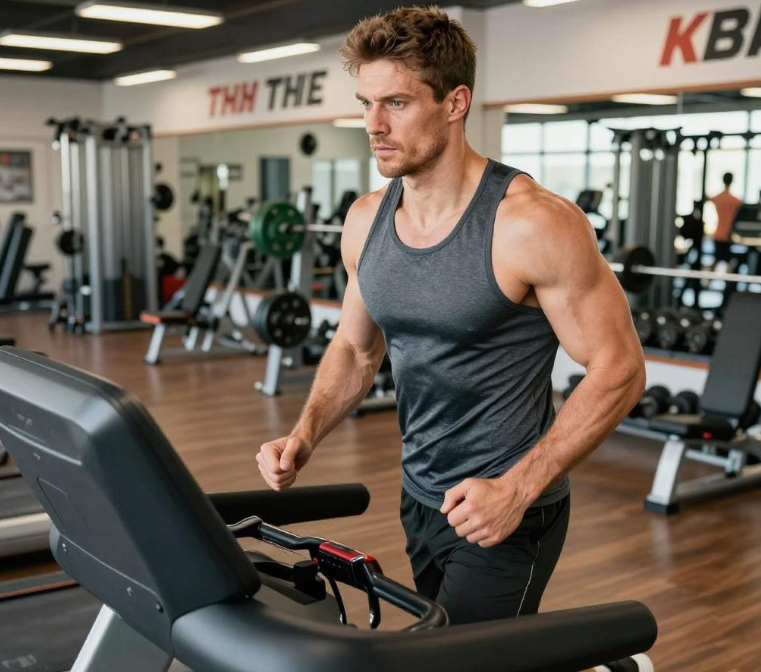
Another key feature of home fitness is the ability to tailor workouts to individual needs and preferences. Whether someone is focused on strength training, cardio, yoga, or rehabilitation exercises, they can design a routine that aligns with their goals. Equipment such as resistance bands, dumbbells, or even bodyweight-only tools allows for a high degree of customization. Moreover, the absence of external distractions enables a more focused and intentional workout experience.
Cost-Effectiveness and Accessibility
Home fitness often proves to be more cost-effective than regular gym memberships, especially over time. While initial investments in equipment may vary, many people find that the long-term savings outweigh the expenses. Additionally, home workouts eliminate the need for commuting, reducing both time and financial costs. This accessibility also benefits individuals living in remote areas or those who face mobility challenges, making fitness more inclusive.

Technology Integration and Innovation
Modern home fitness experiences are increasingly enhanced by technology. Smart devices, wearable trackers, and online platforms provide real-time feedback, virtual coaching, and interactive workout sessions. These tools not only improve user engagement but also help track progress and maintain motivation. For instance, a person using a fitness app can receive personalized recommendations based on their performance data, creating a more dynamic and responsive exercise environment.
Psychological and Emotional Benefits
Beyond the physical aspects, home fitness offers psychological and emotional advantages. Exercising in a familiar and comfortable setting can reduce anxiety and increase feelings of control. Many individuals report higher levels of satisfaction when they can create a workout space that reflects their personality or lifestyle. The sense of autonomy and self-direction fosters a deeper connection to one’s fitness journey.
Challenges and Considerations
Despite its many benefits, home fitness is not without its challenges. Motivation can wane without the social interactions and structured environment found in gyms. Additionally, some people may struggle with setting up an effective workout space or managing their routines without external accountability. However, these obstacles can often be mitigated through planning, discipline, and the use of digital resources.
Conclusion
In summary, the characteristics of home fitness—flexibility, personalization, cost-effectiveness, technological integration, and psychological benefits—make it a compelling alternative to traditional gym settings. As lifestyles continue to evolve, the demand for adaptable and accessible fitness solutions will likely grow. Whether used as a primary method or complemented by other forms of exercise, home fitness represents a significant shift in how people engage with their health and well-being. Its rise underscores a broader movement toward more individualized and sustainable approaches to physical activity.
Disclaimer:
1. This article is sourced from the Internet. All content represents the author's personal views only and does not reflect the stance of this website. The author shall be solely responsible for the content.
2. Part of the content on this website is compiled from the Internet. This website shall not be liable for any civil disputes, administrative penalties, or other losses arising from improper reprinting or citation.
3. If there is any infringing content or inappropriate material, please contact us to remove it immediately. Contact us at:
