
The Fundamental Methods of Flexibility Training
Flexibility training is a cornerstone of physical fitness, offering benefits that extend beyond mere range of motion. It enhances athletic performance, reduces the risk of injury, and promotes overall well-being. Whether you are an athlete, a casual exerciser, or someone looking to improve daily mobility, understanding the basic methods of flexibility training can make a significant difference in your routine.
Understanding the Importance of Flexibility
At its core, flexibility refers to the ability of joints to move through their full range of motion. This is influenced by factors such as muscle length, joint structure, and connective tissue elasticity. Without proper flexibility, movement becomes restricted, leading to imbalances, discomfort, and even chronic pain. The goal of flexibility training is not just to stretch muscles but to develop a balanced, functional body that moves efficiently and with ease.
Dynamic vs. Static Stretching: Choosing the Right Approach
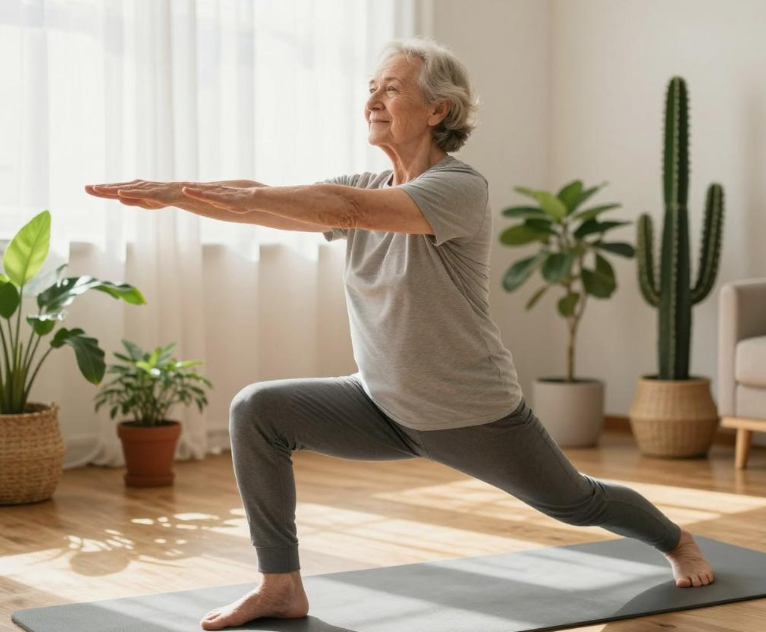
One of the most common distinctions in flexibility training is between dynamic and static stretching. Dynamic stretching involves controlled movements that mimic the activity you're about to perform. These stretches help warm up the body, increase blood flow, and prepare muscles for action. For example, leg swings or arm circles before a run can be highly effective in activating the kinetic chain and improving coordination.
Static stretching, on the other hand, involves holding a stretch for a prolonged period—usually 15 to 30 seconds. This method is best suited for post-workout routines when muscles are already warmed up. Holding a hamstring stretch after a workout can help maintain and even improve flexibility over time. While both techniques have their place, it's essential to match the type of stretching with the context and purpose of the session.
Proprioceptive Neuromuscular Facilitation (PNF): A More Advanced Technique
For those seeking more advanced flexibility gains, proprioceptive neuromuscular facilitation (PNF) offers a powerful approach. PNF combines stretching with muscle contractions, leveraging the body’s natural reflexes to achieve greater range of motion. One popular technique is the contract-relax method, where a muscle is first contracted against resistance and then relaxed while being stretched. This method is particularly useful for athletes who require high levels of mobility and control.

Foam Rolling and Myofascial Release: Addressing Tension and Tightness
Beyond traditional stretching, tools like foam rollers and massage balls have become integral to modern flexibility practices. These devices help release tension in the fascia—the connective tissue surrounding muscles. By applying pressure to tight areas, foam rolling can improve circulation, reduce soreness, and enhance overall flexibility. Incorporating myofascial release into a routine can be especially beneficial for individuals with sedentary lifestyles or those recovering from injuries.
Consistency and Patience: The Key to Long-Term Progress
Flexibility is not something that can be achieved overnight. It requires consistent effort and patience. Many people underestimate the importance of regular practice, often opting for quick fixes rather than long-term strategies. A well-structured flexibility program should include a variety of techniques, tailored to individual needs and goals. Whether it's a daily stretching routine or weekly sessions focused on specific areas, the key is to remain committed and adaptable.
Integrating Flexibility into Daily Life
Flexibility training doesn't have to be confined to the gym or a dedicated session. Simple habits, such as taking a few minutes each day to stretch or practicing yoga, can significantly impact overall mobility. Even small adjustments, like maintaining good posture or avoiding prolonged sitting, can contribute to better flexibility over time. The goal is to create a lifestyle that supports and sustains physical health.
Conclusion
In summary, flexibility training encompasses a range of methods, from basic stretching to advanced techniques like PNF and myofascial release. Each approach has its own advantages and applications, making it essential to choose the right strategy based on personal needs and objectives. By integrating these fundamental methods into a consistent routine, individuals can unlock greater mobility, reduce injury risks, and enjoy a more active and balanced life. The journey to improved flexibility is not just about movement—it's about enhancing the quality of everyday living.
Disclaimer:
1. This article is sourced from the Internet. All content represents the author's personal views only and does not reflect the stance of this website. The author shall be solely responsible for the content.
2. Part of the content on this website is compiled from the Internet. This website shall not be liable for any civil disputes, administrative penalties, or other losses arising from improper reprinting or citation.
3. If there is any infringing content or inappropriate material, please contact us to remove it immediately. Contact us at:
