
The Rise of Power Training Equipment Brands
In today’s fitness landscape, power training equipment brands have emerged as critical players in shaping the modern workout experience. These brands are no longer just manufacturers; they are innovators, trendsetters, and essential partners for athletes, gym owners, and fitness enthusiasts alike. Their influence extends beyond mere product quality, touching on design, functionality, and user experience in ways that redefine how people train and achieve their physical goals.
Evolution of the Industry
The journey of power training equipment brands has been one of steady innovation and adaptation. From the early days of basic weight machines to today’s high-tech, customizable systems, the industry has undergone a dramatic transformation. This evolution reflects not only advances in engineering but also a deeper understanding of human physiology and performance. Brands that have successfully navigated this shift have done so by listening to their customers and embracing cutting-edge technology.
For instance, some leading companies have integrated smart sensors and data analytics into their equipment, allowing users to track progress in real time. This level of personalization was once a luxury, but now it is becoming an expectation. The result is a more engaged and informed user base, which in turn drives demand for even more advanced solutions.
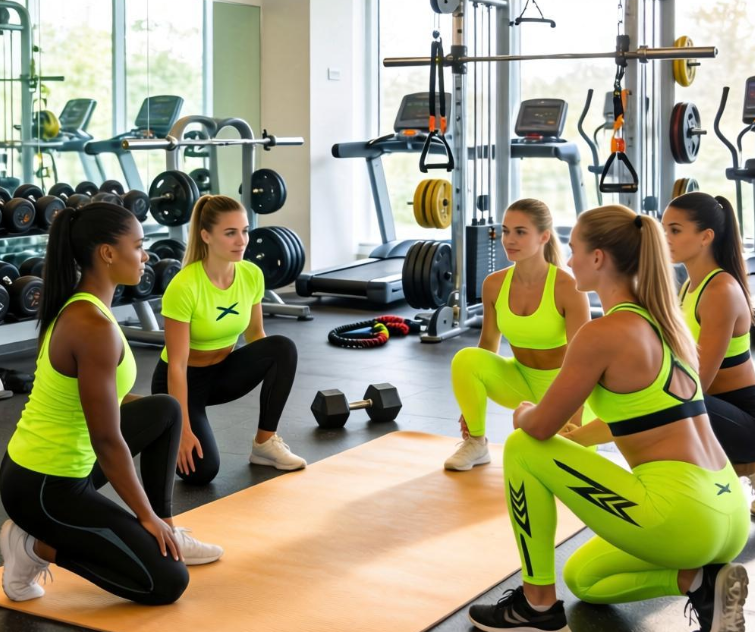
Key Players and Market Dynamics
The market for power training equipment is highly competitive, with several well-established brands dominating the scene. Companies like Nautilus, Technogym, and Life Fitness have long been synonymous with quality and reliability. However, the rise of newer, more agile brands has introduced fresh competition and pushed the industry toward greater innovation.
What sets these brands apart is not just their products, but their ability to create ecosystems around their offerings. Whether through mobile apps, online communities, or personalized coaching services, these companies are building relationships that go beyond the transactional. This approach not only enhances customer loyalty but also fosters a sense of community among users.
Design and User Experience
One of the most significant shifts in recent years has been the focus on design and user experience. Power training equipment is no longer just about strength—it's about aesthetics, ergonomics, and ease of use. Modern gyms, both commercial and home-based, are increasingly looking for equipment that blends seamlessly into their environment while delivering top-tier performance.
This trend has led to a surge in minimalist, sleek designs that appeal to a broader audience. Brands that prioritize form without sacrificing function are gaining traction, especially among younger demographics who value style as much as effectiveness. Additionally, the emphasis on accessibility—such as adjustable settings and intuitive interfaces—has made power training more inclusive and user-friendly.

Future Trends and Opportunities
Looking ahead, the future of power training equipment brands appears bright. Advances in artificial intelligence, virtual reality, and biometric tracking are poised to revolutionize how people engage with their workouts. Brands that can integrate these technologies effectively will likely lead the next wave of innovation.
At the same time, there is a growing demand for sustainable and eco-friendly products. Consumers are becoming more conscious of their environmental impact, and this awareness is influencing purchasing decisions. Brands that adopt green manufacturing practices and offer durable, long-lasting equipment stand to benefit from this shift in consumer values.
Conclusion
Power training equipment brands have come a long way, evolving from simple tools to sophisticated platforms that enhance the entire fitness journey. Their role in shaping the future of exercise cannot be overstated. As the industry continues to grow and change, these brands will remain at the forefront, driving innovation and redefining what it means to train with strength. Whether through technological advancement, design excellence, or a commitment to user experience, the best power training equipment brands are not just selling gear—they are building experiences.
Disclaimer:
1. This article is sourced from the Internet. All content represents the author's personal views only and does not reflect the stance of this website. The author shall be solely responsible for the content.
2. Part of the content on this website is compiled from the Internet. This website shall not be liable for any civil disputes, administrative penalties, or other losses arising from improper reprinting or citation.
3. If there is any infringing content or inappropriate material, please contact us to remove it immediately. Contact us at:
