
Enhancing Upper Arm Strength Training
Building strong upper arm muscles is not just about achieving a well-defined physique; it's about improving functional strength, enhancing athletic performance, and reducing the risk of injury. Whether you're an athlete, a fitness enthusiast, or someone looking to boost daily physical capabilities, focusing on upper arm strength training can yield significant long-term benefits.
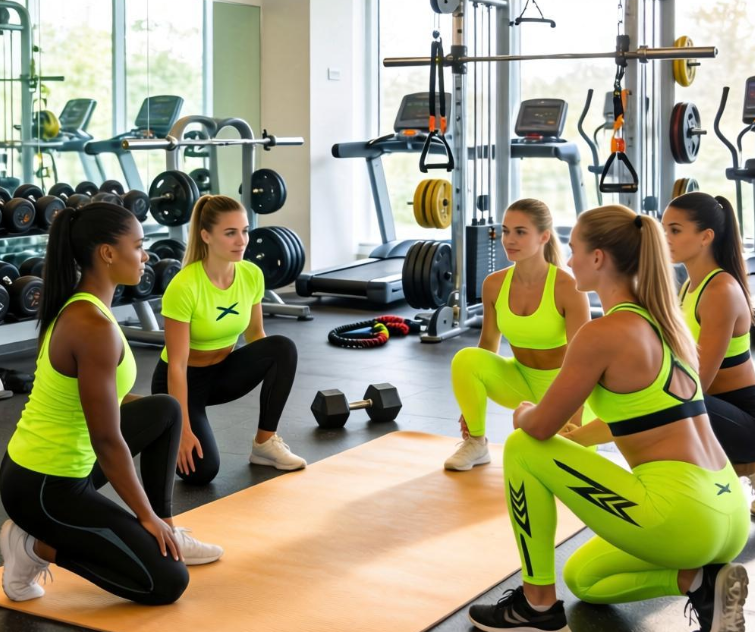
The Importance of Upper Arm Muscles
The upper arms are composed primarily of the biceps brachii and triceps brachii, two major muscle groups that play a crucial role in many everyday movements. From lifting groceries to pushing open a heavy door, these muscles are constantly engaged. Strengthening them through targeted exercises can lead to greater overall body control and efficiency in motion. Moreover, upper arm strength contributes to better posture and stability, which are essential for maintaining proper alignment during more complex movements like squats or deadlifts.
Effective Training Strategies
A well-rounded upper arm training program should incorporate both compound and isolation exercises. Compound movements such as pull-ups, push-ups, and overhead presses engage multiple muscle groups at once, promoting overall strength and coordination. Isolation exercises like bicep curls and tricep extensions allow for focused development of specific areas, ensuring balanced growth and preventing muscular imbalances.
One effective approach is to alternate between different types of resistance—such as free weights, resistance bands, and bodyweight exercises—to keep the muscles challenged and prevent plateaus. For instance, using a barbell for bicep curls can build mass, while a cable machine offers controlled resistance that enhances muscle activation. Similarly, incorporating plyometric movements like medicine ball slams can improve power and explosiveness, which are vital for athletes.

Real-World Applications
Consider the case of a weightlifter who struggles with overhead pressing due to weak triceps. By integrating tricep dips and overhead extensions into their routine, they can significantly improve their lifting capacity and reduce strain on the shoulder joints. Or take a construction worker who frequently lifts heavy objects—strengthening their upper arms can make repetitive tasks less taxing and lower the risk of overuse injuries.
In sports like basketball or baseball, upper arm strength translates directly into better throwing mechanics and shooting accuracy. Even in non-athletic contexts, stronger arms can make activities like carrying shopping bags or opening jars much easier and more efficient.
Common Mistakes to Avoid
Many individuals fall into the trap of prioritizing weight over form, leading to poor technique and potential injury. It’s essential to focus on proper movement patterns, even if it means using lighter weights. Another common mistake is neglecting the triceps in favor of the biceps, which can create an imbalance and limit overall upper body strength. A balanced approach ensures that both the front and back of the arms develop evenly.
Additionally, overtraining without adequate recovery can hinder progress. Muscles grow during rest periods, so it's important to allow sufficient time between sessions. Listening to your body and adjusting the intensity accordingly can help maintain consistency and prevent burnout.
Conclusion
Strengthening the upper arms is more than a cosmetic goal—it’s a foundational element of overall physical health and performance. By adopting a thoughtful, varied training regimen and being mindful of common pitfalls, anyone can achieve noticeable improvements in strength, endurance, and functional ability. Whether you're aiming to enhance your sport performance or simply live a more active lifestyle, investing time in upper arm strength training is a decision that pays off in the long run.
Disclaimer:
1. This article is sourced from the Internet. All content represents the author's personal views only and does not reflect the stance of this website. The author shall be solely responsible for the content.
2. Part of the content on this website is compiled from the Internet. This website shall not be liable for any civil disputes, administrative penalties, or other losses arising from improper reprinting or citation.
3. If there is any infringing content or inappropriate material, please contact us to remove it immediately. Contact us at:
