
Innovative Approaches to Home Fitness
The evolution of home fitness has moved beyond traditional routines, embracing creative and engaging methods that cater to modern lifestyles. As people increasingly seek flexibility and convenience, the concept of "home fitness" has transformed into a dynamic and personalized experience, blending physical activity with mental well-being and social interaction.
Redefining the Home Workout Space
Gone are the days when a home gym meant a few dumbbells and a treadmill in the corner of a living room. Today, the home workout environment is more than just a space—it's a mindset. With the rise of digital platforms and virtual coaching, individuals can now access a wide range of workouts tailored to their goals, preferences, and schedules. This shift has not only made fitness more accessible but also more enjoyable, turning exercise into an immersive and interactive experience.
Consider the case of a busy professional who finds it challenging to visit a gym regularly. By integrating short, high-intensity interval training (HIIT) sessions into their daily routine, they can maintain fitness without sacrificing time. Or take a parent who uses family-friendly activities like dance-based workouts or yoga for kids as a way to stay active while spending quality time with their children. These scenarios highlight how home fitness has become a versatile tool for different life stages and needs.
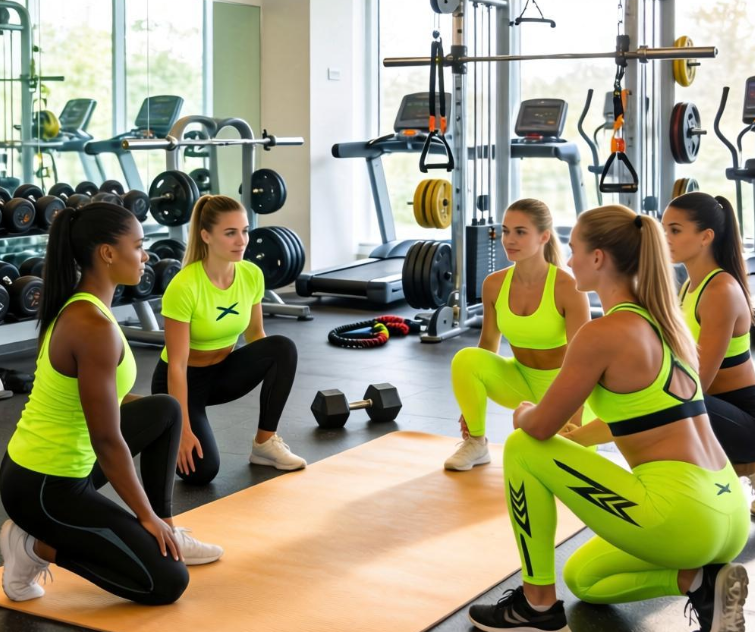
Creative Integration of Technology and Lifestyle
Technology has played a pivotal role in redefining what it means to work out at home. Smart devices, wearable trackers, and mobile applications provide real-time feedback, motivation, and progress tracking. For instance, a user might use a fitness app that offers guided workouts based on their heart rate or suggest adjustments depending on their energy levels. This level of personalization ensures that each session is both effective and engaging.
Moreover, the integration of gamification elements—such as virtual challenges, rewards, and social sharing—has added a layer of fun and competition. Imagine a person participating in a virtual cycling race with friends from around the world, all from the comfort of their living room. Such experiences blur the lines between exercise and entertainment, making fitness a more appealing and sustainable habit.
Beyond the Physical: Mental and Social Dimensions
Home fitness is no longer solely about physical health; it has expanded to include mental and emotional well-being. Practices like mindfulness-based workouts, meditation sessions, and even group virtual classes have gained popularity. These approaches recognize that fitness is not just about building strength or losing weight—it's about cultivating a balanced and fulfilling lifestyle.
A notable example is the growing trend of "mindful movement," which combines physical activity with breathwork and conscious awareness. Whether it's a morning yoga flow or a midday stretching session, these practices help reduce stress and improve focus. In this way, home fitness becomes a holistic practice that supports both body and mind.

Challenges and Opportunities Ahead
Despite its many advantages, home fitness still faces some challenges. The lack of in-person accountability and the potential for distraction can make it difficult for some individuals to stay consistent. However, these challenges also present opportunities for innovation. Co-working fitness spaces, hybrid workout models, and community-driven platforms are emerging as solutions that bridge the gap between home and traditional gym environments.
For instance, some communities have started organizing local fitness meetups where members can gather for outdoor runs, group workouts, or wellness workshops. These initiatives foster a sense of belonging and motivation, reinforcing the idea that fitness is not a solitary endeavor but a shared journey.
Conclusion
Innovative approaches to home fitness are reshaping how people engage with physical activity, making it more adaptable, inclusive, and meaningful. By leveraging technology, embracing creativity, and prioritizing well-being, individuals can design workout routines that align with their unique lives. As the future of fitness continues to evolve, the home remains a powerful and flexible space for achieving both physical and mental health goals.
Disclaimer:
1. This article is sourced from the Internet. All content represents the author's personal views only and does not reflect the stance of this website. The author shall be solely responsible for the content.
2. Part of the content on this website is compiled from the Internet. This website shall not be liable for any civil disputes, administrative penalties, or other losses arising from improper reprinting or citation.
3. If there is any infringing content or inappropriate material, please contact us to remove it immediately. Contact us at:
