
The Importance of Wrist Strength in Basketball Training
Wrist strength plays a crucial role in the overall performance and injury prevention of basketball players. While much attention is often given to lower body power and upper body endurance, the wrist joint—though small—acts as a critical link between hand function and shooting mechanics, ball control, and defensive positioning. Neglecting this area can lead to reduced accuracy, increased risk of sprains or fractures, and diminished overall efficiency on the court.
Understanding the Role of the Wrist in Basketball Performance
In basketball, the wrist is involved in nearly every movement that requires fine motor control. From dribbling and passing to shooting and blocking, the wrist provides the necessary precision and force. For instance, when a player takes a three-pointer, the wrist’s ability to stabilize the ball during release directly impacts shot consistency. Similarly, in defensive plays, the wrist helps in maintaining grip and quick hand movements to contest shots or steal the ball.
A strong wrist also contributes to better ball handling. Players who can manipulate the ball with greater control are more likely to avoid turnovers and execute complex moves under pressure. This is particularly evident in elite athletes who use wrist flexibility and strength to perform crossover dribbles, behind-the-back passes, and other advanced techniques with ease.
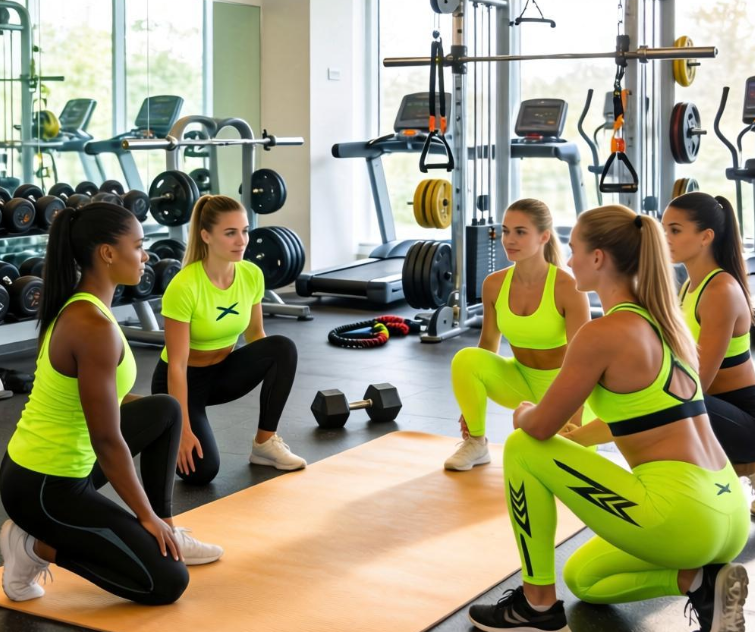
Common Wrist Injuries and Their Prevention
Despite its importance, the wrist is one of the most commonly injured joints in basketball. Sprains, strains, and even fractures can occur due to sudden twists, falls, or repetitive stress from constant ball contact. A lack of proper warm-up, poor technique, or weak supporting muscles can all contribute to these injuries.
To prevent such issues, it is essential to incorporate targeted wrist exercises into a player’s training regimen. These may include resistance band workouts, wrist curls, and isometric holds. Additionally, focusing on core stability and shoulder mobility can indirectly support the wrist by improving overall body alignment and reducing compensatory movements that strain the joint.
Practical Tips for Building Wrist Strength
For coaches and athletes looking to enhance wrist strength, a few key strategies can be implemented. First, integrating dynamic warm-ups that focus on wrist mobility can prepare the joint for high-intensity activity. Exercises like finger flexions, wrist circles, and towel twists are excellent for increasing blood flow and flexibility.
Second, resistance-based training should be introduced gradually. Using light weights or resistance bands, players can perform exercises that target both the flexor and extensor muscles of the wrist. It's important to maintain proper form and avoid overloading the joint too quickly.
Finally, recovery should not be overlooked. After intense training sessions, incorporating rest days and using ice or compression therapy can help manage inflammation and promote healing. Stretching routines that include wrist extensions and flexions can also aid in maintaining long-term flexibility and function.

Real-World Applications and Player Testimonials
Many professional players have shared how wrist strengthening has improved their game. One NBA point guard noted that after adding wrist-specific exercises to his routine, he noticed a significant improvement in his ability to handle the ball under pressure. Another player, who had previously suffered from recurring wrist pain, found that consistent training helped reduce the frequency of injuries and allowed him to play more confidently.
These experiences highlight the tangible benefits of prioritizing wrist strength. Whether you're a beginner or an elite athlete, understanding and addressing the needs of this often-overlooked joint can make a meaningful difference in performance and longevity.
Conclusion: A Holistic Approach to Athletic Development
In conclusion, while the wrist may seem like a minor component of basketball training, its impact on performance and injury prevention cannot be underestimated. By recognizing its role in key movements and investing time in targeted strengthening, players can unlock new levels of control, power, and durability. As the sport continues to evolve, so too must our approach to training—embracing a comprehensive mindset that values every part of the body, no matter how small.
Disclaimer:
1. This article is sourced from the Internet. All content represents the author's personal views only and does not reflect the stance of this website. The author shall be solely responsible for the content.
2. Part of the content on this website is compiled from the Internet. This website shall not be liable for any civil disputes, administrative penalties, or other losses arising from improper reprinting or citation.
3. If there is any infringing content or inappropriate material, please contact us to remove it immediately. Contact us at:
