
The Fastest Way to Recover from Knee Sports Injuries
Recovery from a knee sports injury is not just about time—it's about strategy, care, and understanding the body’s natural healing processes. With the right approach, individuals can significantly accelerate their recovery and return to activity more quickly and safely.
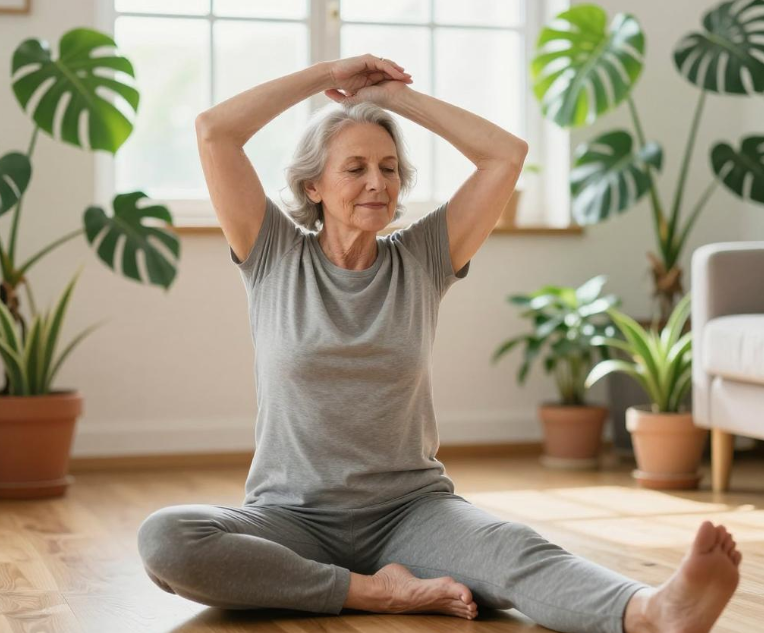
Understanding the Nature of Knee Injuries
Knee injuries are common in sports due to the joint's complex structure and high level of involvement in movement. Whether it's a sprain, strain, meniscus tear, or ligament damage, each type requires a tailored recovery plan. The key lies in identifying the specific injury early and responding appropriately. For instance, a minor sprain might benefit from rest and ice, while a more severe issue like an ACL tear may require surgical intervention followed by structured rehabilitation.
In many cases, the initial instinct is to push through the pain, but this often leads to prolonged recovery or even further damage. Recognizing symptoms such as swelling, instability, or persistent discomfort is crucial for timely action.
The Role of Immediate Care and Rest
When a knee injury occurs, immediate care sets the tone for the entire recovery process. RICE—Rest, Ice, Compression, and Elevation—is a well-established method that helps reduce inflammation and pain. However, rest should not be interpreted as complete inactivity. Gentle movement, under professional guidance, can prevent stiffness and promote circulation.
A real-world example comes from a collegiate basketball player who suffered a mild meniscus tear. By following a strict RICE protocol and incorporating low-impact exercises like swimming, they were able to return to play within six weeks, rather than the typical eight to twelve weeks.

Physical Therapy: A Cornerstone of Recovery
Physical therapy is often the most effective tool in regaining strength, mobility, and function after a knee injury. A skilled therapist can design a program that targets the specific needs of the individual, ensuring that recovery is both efficient and sustainable.
One athlete, for instance, was able to rebuild his quadriceps strength through targeted resistance training, which helped stabilize his knee and prevent future issues. This kind of personalized approach is essential—not all injuries are the same, and neither are the paths to recovery.
Nutrition and Lifestyle Adjustments
While physical therapy and medical treatment are critical, the role of nutrition and lifestyle cannot be overstated. Proper hydration, adequate protein intake, and anti-inflammatory foods can support tissue repair and reduce recovery time. Additionally, sleep plays a vital role in the body’s healing mechanisms.
Consider the case of a long-distance runner recovering from a patellar tendinitis flare-up. By adjusting her diet to include more omega-3s and reducing processed sugars, she noticed a marked improvement in her pain levels and overall energy.
Psychological Aspects of Recovery
Mental resilience is another often-overlooked component of recovery. Injuries can lead to frustration, anxiety, or even depression, especially when progress feels slow. Staying motivated and maintaining a positive mindset can make a significant difference in how quickly someone returns to their sport.
Many athletes find it helpful to set small, achievable goals throughout their recovery journey. Celebrating these milestones not only keeps morale high but also reinforces the body’s progress.
When to Seek Professional Help
Not all knee injuries can be managed with self-care alone. If pain persists, mobility is severely limited, or there's a noticeable change in gait, it’s time to consult a healthcare professional. Early diagnosis and intervention can prevent long-term complications and ensure a smoother recovery.
For example, a soccer player who ignored persistent knee pain eventually developed chronic instability, requiring surgery. Had they sought help sooner, they might have avoided the need for invasive procedures altogether.
Conclusion
Recovering from a knee sports injury doesn’t have to be a lengthy and painful process. By combining immediate care, targeted physical therapy, proper nutrition, and mental resilience, individuals can significantly speed up their recovery. The fastest way to heal isn't always the most obvious one—but it’s often the most thoughtful. With the right balance of science, patience, and personal commitment, returning to activity becomes not just possible, but inevitable.
Disclaimer:
1. This article is sourced from the Internet. All content represents the author's personal views only and does not reflect the stance of this website. The author shall be solely responsible for the content.
2. Part of the content on this website is compiled from the Internet. This website shall not be liable for any civil disputes, administrative penalties, or other losses arising from improper reprinting or citation.
3. If there is any infringing content or inappropriate material, please contact us to remove it immediately. Contact us at:
