
The Role of Slow Walking in the Recovery Period of Sports Injuries
Recovery from sports injuries is a complex process that requires careful attention to both physical and psychological well-being. Among the various rehabilitation strategies, slow walking has emerged as a fundamental yet often underestimated method. It serves as a bridge between rest and full activity, allowing the body to gradually regain strength and mobility without overexertion.
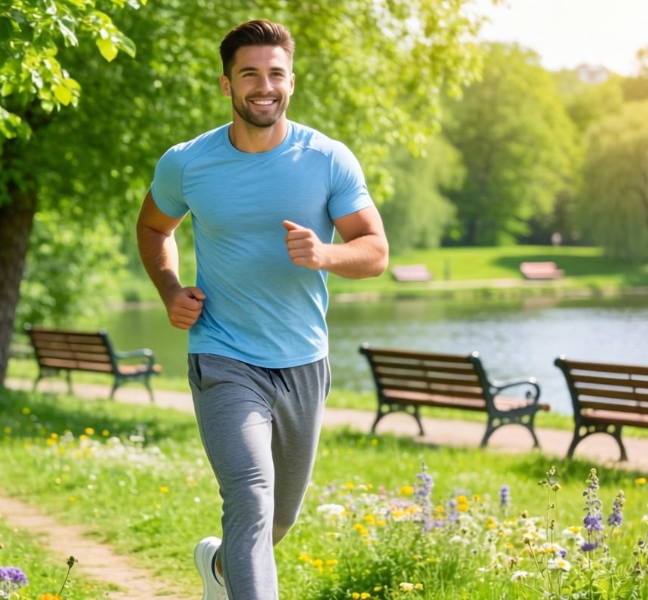
Understanding the Purpose of Slow Walking
At its core, slow walking during the recovery phase is not just about moving; it is about re-establishing normal movement patterns while protecting the injured area. This low-impact activity promotes blood circulation, which is essential for delivering nutrients and oxygen to damaged tissues. It also helps prevent muscle atrophy and stiffness, common complications after prolonged immobility. For athletes or individuals recovering from sprains, fractures, or soft tissue injuries, slow walking can be a gentle but effective way to reintroduce controlled motion into their daily routine.
Physiological Benefits and Mechanisms
The physiological benefits of slow walking are multifaceted. From a biomechanical standpoint, it encourages proper joint alignment and muscle activation, which can help correct compensatory movement patterns developed during injury. Additionally, the rhythmic nature of walking stimulates the nervous system, enhancing proprioception—the body's ability to sense its position in space. This is particularly important for those recovering from lower limb injuries, where balance and coordination may have been compromised.
Moreover, slow walking has a positive effect on the cardiovascular system. It increases heart rate slightly, improving overall endurance without placing undue stress on the body. This makes it an ideal exercise for individuals who need to maintain some level of physical activity while avoiding high-intensity training.

Practical Application and Recommendations
In practice, slow walking should be tailored to the individual’s condition and guided by a healthcare professional or physiotherapist. The pace should be comfortable, with a focus on maintaining good posture and breathing. It is recommended to start with short durations—perhaps 10 to 15 minutes per session—and gradually increase the time as tolerated. Walking on flat, even surfaces is preferable, and supportive footwear is essential to minimize strain on the affected area.
For example, a runner recovering from a stress fracture might begin with short walks around the house before progressing to outdoor paths. A basketball player with an ankle sprain could use slow walking as part of a broader rehabilitation plan that includes strength training and flexibility exercises. Each case is unique, and the approach should reflect that individuality.
Psychological and Emotional Impact
Beyond the physical aspects, slow walking also plays a role in mental health. The repetitive, meditative quality of walking can reduce stress and promote a sense of calm. It offers a form of mindfulness, allowing individuals to focus on the present moment rather than dwelling on their limitations. This mental shift can be incredibly empowering, reinforcing a sense of control and progress during what can otherwise feel like a long and uncertain journey.
Conclusion
Slow walking is more than just a simple activity—it is a strategic component of the recovery process. When integrated thoughtfully into a rehabilitation plan, it supports physical healing, enhances functional mobility, and contributes to emotional well-being. Whether you are an athlete returning to competition or someone rebuilding their everyday life after an injury, incorporating slow walking can make a meaningful difference in your recovery trajectory.
Disclaimer:
1. This article is sourced from the Internet. All content represents the author's personal views only and does not reflect the stance of this website. The author shall be solely responsible for the content.
2. Part of the content on this website is compiled from the Internet. This website shall not be liable for any civil disputes, administrative penalties, or other losses arising from improper reprinting or citation.
3. If there is any infringing content or inappropriate material, please contact us to remove it immediately. Contact us at:
