
Preventive Measures for Sports Injuries
In the dynamic world of sports and physical activity, preventing injuries is not just a precaution—it's a fundamental component of sustainable performance. Whether you're an elite athlete or someone who enjoys recreational exercise, understanding and implementing effective injury prevention strategies can significantly enhance your safety and longevity in any physical endeavor.
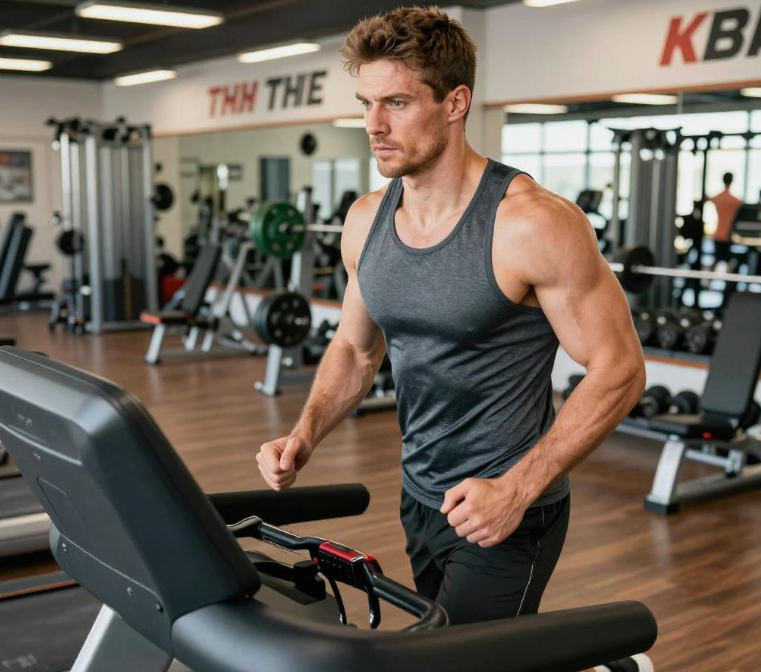
The Importance of Warm-Up and Cool-Down Routines
A well-structured warm-up is more than just a formality; it's a critical step that prepares the body for the demands of physical activity. By gradually increasing heart rate, enhancing blood flow to muscles, and activating key movement patterns, a proper warm-up reduces the risk of strains and sprains. Similarly, a cool-down session helps the body transition back to a resting state, promoting recovery and minimizing post-exercise soreness. Think of these routines as the foundation upon which safe and effective training is built.
Strengthening and Conditioning Programs
Muscle imbalances and weak stabilizing muscles are often silent contributors to injury. Incorporating strength training and functional conditioning into your routine can address these vulnerabilities. For instance, strengthening the core and lower body muscles not only improves performance but also provides better support for joints during high-impact activities. A runner with strong hip and gluteal muscles is less likely to suffer from knee or ankle injuries, much like a bridge with solid supports is less prone to collapse under stress.

Proper Technique and Equipment Use
Technique plays a pivotal role in injury prevention. Many injuries occur not because of the intensity of the activity, but due to improper form. A basketball player who jumps with poor alignment may place undue stress on their knees, while a weightlifter who fails to maintain a neutral spine risks back strain. Equally important is the use of appropriate gear. Protective equipment such as knee pads, mouthguards, and supportive footwear can act as a buffer against common sport-related hazards.
Listening to Your Body
One of the most overlooked yet vital aspects of injury prevention is the ability to recognize and respond to the body’s signals. Pain, fatigue, and discomfort are not just symptoms—they are messages. Ignoring them can lead to more severe issues down the line. Athletes and exercisers alike should develop a habit of self-assessment, knowing when to push forward and when to rest. This awareness can be likened to a pilot checking the aircraft’s instruments before takeoff—both require vigilance and responsiveness.
The Role of Recovery and Rest
Recovery is not a passive process; it's an active strategy. Overtraining without adequate rest can lead to chronic injuries and burnout. Integrating rest days, sleep, and recovery techniques such as stretching, foam rolling, and massage can help maintain physical resilience. Consider recovery as the maintenance check for your body—just as a car requires regular servicing, so too does the human body need consistent care to function at its best.
Education and Awareness
Knowledge is power, especially when it comes to injury prevention. Staying informed about common injuries in your specific sport or activity, understanding risk factors, and learning from others' experiences can help you make smarter choices. Attending workshops, consulting with professionals, and even engaging with online communities can provide valuable insights and foster a culture of safety.
Conclusion
Preventing sports injuries is a multifaceted approach that requires attention to detail, consistency, and a proactive mindset. From warm-ups to recovery, from technique to equipment, every element plays a role in safeguarding your physical well-being. By embracing these preventive measures, individuals can enjoy their athletic pursuits with greater confidence, knowing they are taking steps to protect their bodies and extend their active lives. Ultimately, the goal is not just to avoid injury, but to build a foundation for long-term health and performance.
Disclaimer:
1. This article is sourced from the Internet. All content represents the author's personal views only and does not reflect the stance of this website. The author shall be solely responsible for the content.
2. Part of the content on this website is compiled from the Internet. This website shall not be liable for any civil disputes, administrative penalties, or other losses arising from improper reprinting or citation.
3. If there is any infringing content or inappropriate material, please contact us to remove it immediately. Contact us at:
