
What Does Flexibility Training Include?
Flexibility training is a critical component of any well-rounded fitness regimen, offering benefits that extend far beyond mere physical movement. It plays a pivotal role in injury prevention, performance enhancement, and overall musculoskeletal health. While many people associate flexibility solely with yoga or stretching routines, the scope of flexibility training is much broader and more nuanced.
Understanding the Scope of Flexibility Training
At its core, flexibility training involves a range of exercises designed to increase the range of motion in joints and improve the elasticity of muscles and connective tissues. This type of training is not limited to static stretching alone; it encompasses dynamic movements, proprioceptive neuromuscular facilitation (PNF), and even resistance-based techniques that promote both mobility and stability.
For instance, a professional athlete might incorporate dynamic warm-ups before a training session to prepare the body for movement, while a desk worker could benefit from regular static stretches to counteract the effects of prolonged sitting. The key is to tailor the approach to individual needs and goals, ensuring that each practice aligns with the person’s lifestyle and physical condition.
Types of Flexibility Exercises
One of the most common forms of flexibility training is static stretching, where a muscle is held in a stretched position for a period of time—typically 15 to 30 seconds. This method is effective for increasing overall flexibility but should be used cautiously, especially before high-intensity activities, as it can temporarily reduce muscle power.
Dynamic stretching, on the other hand, involves controlled movements that mimic the actions of the activity you're about to perform. These movements help to increase blood flow, warm up the muscles, and enhance joint mobility. For example, a runner might perform leg swings or walking lunges to prepare their lower body for a sprint session.
Proprioceptive neuromuscular facilitation (PNF) is another advanced technique that combines stretching with muscle contractions. Often performed with a partner, PNF involves stretching a muscle, then contracting it against resistance before relaxing into a deeper stretch. This method is particularly effective for improving flexibility quickly and is widely used in rehabilitation settings.
The Role of Strength and Stability in Flexibility
It's important to recognize that flexibility is not just about being able to move your limbs further—it's also about maintaining control during those movements. A flexible body without strength and stability can be prone to injury, especially during complex or high-impact activities.
This is why many modern flexibility programs integrate strength training alongside stretching. For example, a yoga practitioner might focus on building core strength to support deeper poses, while a dancer might work on hip mobility through targeted resistance exercises. The synergy between strength and flexibility ensures that the body moves efficiently and safely.

Real-World Applications and Benefits
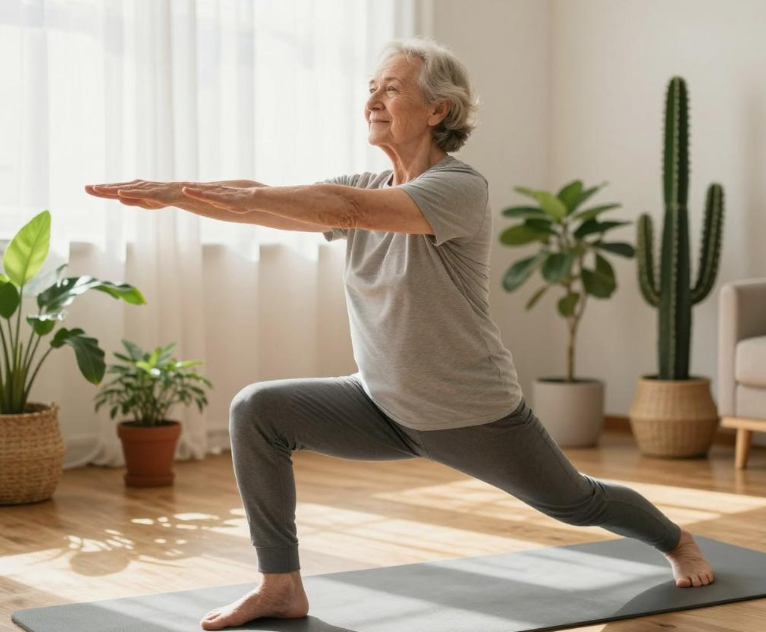
In everyday life, improved flexibility can lead to better posture, reduced muscle tension, and enhanced comfort during routine tasks. Athletes often report faster recovery times and fewer injuries when they maintain a consistent flexibility routine. Meanwhile, older adults may find that regular stretching helps preserve joint function and reduces the risk of falls.
Consider a scenario where an office employee spends long hours at a desk. Without regular stretching, they may experience tightness in the hips, shoulders, and lower back. By incorporating simple stretches into their daily routine, they can alleviate discomfort and improve their overall quality of life.
Conclusion
Flexibility training is more than just a series of stretches—it's a multifaceted approach to enhancing physical function and well-being. Whether through static, dynamic, or PNF methods, the goal is to create a balanced, resilient body capable of moving with ease and efficiency. By understanding the various components of flexibility training and integrating them into daily life, individuals can unlock greater mobility, reduce injury risk, and enjoy a more active, fulfilling lifestyle.
Disclaimer:
1. This article is sourced from the Internet. All content represents the author's personal views only and does not reflect the stance of this website. The author shall be solely responsible for the content.
2. Part of the content on this website is compiled from the Internet. This website shall not be liable for any civil disputes, administrative penalties, or other losses arising from improper reprinting or citation.
3. If there is any infringing content or inappropriate material, please contact us to remove it immediately. Contact us at:
