
The Fundamental Methods of Flexibility Training
Flexibility training is a cornerstone of physical development, offering benefits that extend beyond mere range of motion. It enhances performance, reduces injury risk, and promotes overall musculoskeletal health. Whether you're an athlete, a fitness enthusiast, or someone looking to improve daily mobility, understanding the core techniques of flexibility training is essential.
Understanding the Purpose of Flexibility Training
At its core, flexibility training aims to increase the range of motion around joints by improving the extensibility of muscles and connective tissues. This process involves stretching the body in various ways to gradually adapt to greater movement. However, it's not just about touching your toes or doing a split—it's about creating a balanced, functional mobility that supports long-term wellness. The goal is to achieve a state where the body moves with ease, without restriction or discomfort.

Common Techniques Used in Flexibility Training
There are several established methods for incorporating flexibility into a workout routine, each with its own advantages and applications. Dynamic stretching, for instance, involves controlled movements that mimic the actions of the activity you're about to perform. This type of stretching is ideal for warming up before exercise, as it prepares the muscles for action without overloading them. A runner might perform leg swings or high knees to activate the lower body before a sprint session.
Static stretching, on the other hand, involves holding a stretch for an extended period—typically 15 to 30 seconds. This method is most effective after a workout when the muscles are warmed up. It allows for deeper relaxation and elongation of the muscle fibers. For example, a yoga practitioner might hold a forward fold to target the hamstrings and lower back, promoting both flexibility and recovery.
Proprioceptive neuromuscular facilitation (PNF) is another advanced technique that combines stretching with muscle contractions. It often uses a partner to assist with resistance, making it highly effective for increasing range of motion. One common PNF method is the contract-relax technique, where the muscle is first contracted against resistance and then relaxed into a deeper stretch. This approach is particularly useful for athletes who need to maximize their physical potential.
Incorporating Flexibility into Daily Routines
The key to successful flexibility training lies in consistency and integration. Many people overlook the importance of daily stretching, viewing it as an optional add-on rather than a necessary component of fitness. However, even a few minutes of focused stretching each day can lead to significant improvements over time. For office workers, for example, incorporating neck rolls or seated spinal twists can counteract the effects of prolonged sitting and improve posture.
Additionally, the environment plays a role in how effectively one can engage in flexibility training. A dedicated space with proper lighting and minimal distractions can enhance focus and reduce the likelihood of injury. Some individuals find that practicing in the morning helps set a positive tone for the day, while others prefer evening sessions to unwind and release tension.
The Role of Mindfulness and Body Awareness
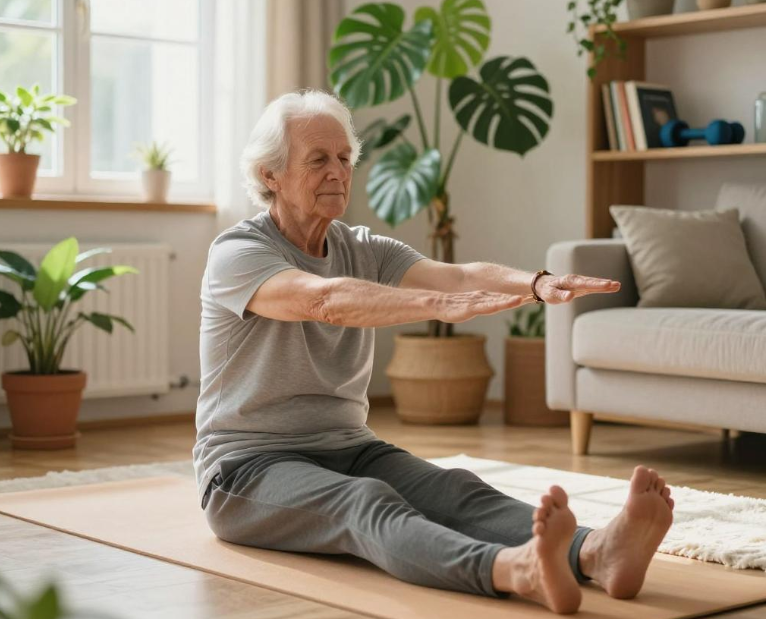
Flexibility training is not just a physical activity—it's also a mental practice. Being mindful of how the body feels during stretches can prevent overexertion and promote a more intuitive approach to movement. Listening to the body's signals, such as pain or tightness, can help avoid injury and ensure that each stretch is performed safely. This awareness is especially important for beginners, who may be tempted to push too hard too soon.
Conclusion
Flexibility training encompasses a variety of techniques, from dynamic and static stretching to more advanced methods like PNF. Each has its place depending on the individual’s goals, lifestyle, and physical condition. By integrating these practices into a regular routine, one can unlock greater mobility, enhance performance, and foster a healthier relationship with their body. Ultimately, the journey toward improved flexibility is as much about patience and presence as it is about physical effort.
Disclaimer:
1. This article is sourced from the Internet. All content represents the author's personal views only and does not reflect the stance of this website. The author shall be solely responsible for the content.
2. Part of the content on this website is compiled from the Internet. This website shall not be liable for any civil disputes, administrative penalties, or other losses arising from improper reprinting or citation.
3. If there is any infringing content or inappropriate material, please contact us to remove it immediately. Contact us at:
