
Does Aerobic Exercise Without Sweating Burn Fat?
The short answer is yes—exercising without sweating can still lead to fat loss, but the effectiveness depends on several factors including intensity, duration, and individual physiology. While sweat is often seen as a marker of effort, it is not a reliable indicator of whether fat is being burned. Understanding how the body uses energy during aerobic activity provides clarity on this common misconception.

Understanding the Role of Sweat in Exercise
Sweating is primarily a thermoregulatory response. When the body's core temperature rises during physical activity, sweat glands release moisture to cool the skin through evaporation. This process is influenced by environmental conditions, such as humidity and temperature, as well as personal factors like fitness level and hydration status. Therefore, the absence of visible sweat does not necessarily mean that the body is not working hard or burning calories.
For instance, someone exercising in a cool, air-conditioned gym may not break a sweat even if they are pushing their limits. Conversely, an individual in a hot environment might sweat heavily while performing low-intensity activities. This variability underscores the need to look beyond sweat when evaluating the effectiveness of a workout.
How Fat Loss Occurs During Aerobic Exercise
Fat loss occurs when the body creates a caloric deficit—burning more calories than it consumes. Aerobic exercise contributes to this deficit by increasing energy expenditure. The type of fuel the body uses during exercise—whether carbohydrates or fats—depends on the intensity and duration of the activity. Low-to-moderate intensity workouts tend to rely more on fat for energy, while higher intensity efforts use more carbohydrates. However, both contribute to overall calorie burn, which is essential for fat loss.
Consider a scenario where two individuals perform the same 30-minute jog. One person sweats heavily due to high ambient temperature, while the other remains relatively dry because of cooler conditions. Both will likely burn similar amounts of calories, assuming their heart rates and effort levels are comparable. This illustrates that the presence or absence of sweat is not a direct measure of fat-burning potential.
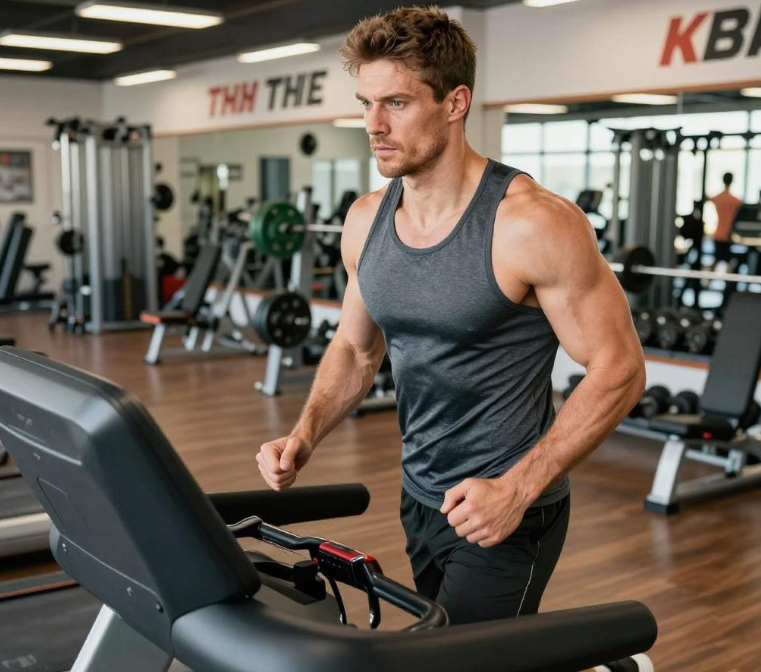
Factors Influencing Calorie Burn and Fat Loss
Several variables influence how much fat is burned during aerobic exercise. These include:
- Intensity: Higher intensity workouts increase the total number of calories burned, even if less fat is used per minute.
- Duration: Longer sessions allow for greater overall calorie expenditure, which supports fat loss over time.
- Fitness Level: Trained individuals may burn more calories at the same relative intensity compared to beginners.
- Diet: Nutritional intake plays a critical role in determining whether the body has enough stored fat to utilize during exercise.
A real-world example might involve a beginner starting with walking or cycling at a moderate pace. Although they may not sweat much initially, consistent participation in these activities can gradually improve cardiovascular health and lead to increased calorie burn. Over time, as their fitness improves, they may find themselves sweating more during the same exercises, but the initial phase still contributes to fat loss.
Practical Implications for Fitness Enthusiasts
For those focused on weight management, the key takeaway is that sweating is not a necessary component of effective aerobic exercise. Instead, attention should be paid to consistency, proper form, and maintaining an appropriate heart rate range. Tools like heart rate monitors or perceived exertion scales can offer more accurate insights into workout intensity than sweat levels alone.
Additionally, incorporating variety into aerobic routines can enhance results. Alternating between different types of exercises—such as running, swimming, or rowing—keeps the body challenged and prevents plateaus. This approach also helps prevent overuse injuries and keeps motivation high.
Conclusion
In summary, aerobic exercise without sweating can indeed support fat loss. The relationship between sweat and calorie burn is indirect and influenced by multiple factors. Rather than fixating on visible signs of exertion, individuals should focus on the quality and consistency of their workouts. By understanding how the body functions during physical activity, it becomes clear that fat loss is achievable through a range of aerobic efforts, regardless of whether one breaks a sweat.
Disclaimer:
1. This article is sourced from the Internet. All content represents the author's personal views only and does not reflect the stance of this website. The author shall be solely responsible for the content.
2. Part of the content on this website is compiled from the Internet. This website shall not be liable for any civil disputes, administrative penalties, or other losses arising from improper reprinting or citation.
3. If there is any infringing content or inappropriate material, please contact us to remove it immediately. Contact us at:
