
What Are the Common Methods of Home Fitness?
In an era where time and convenience are increasingly valuable, home fitness has emerged as a practical and effective alternative to traditional gym memberships. Whether driven by a desire for flexibility, cost savings, or simply the comfort of one’s own space, many individuals have turned to exercising at home. The key lies in understanding the diverse methods available and selecting those that align with personal goals and lifestyles.

The Rise of Home-Based Exercise
The shift toward home fitness is not merely a trend but a reflection of evolving habits and priorities. With the global pandemic accelerating the adoption of remote work and digital services, people have become more comfortable with the idea of staying active without leaving their homes. This change has been further supported by advancements in technology, such as smart workout apps, virtual training sessions, and affordable home equipment. As a result, the options for home-based exercise have expanded significantly, offering something for everyone, from beginners to seasoned athletes.
Cardio Workouts Without Leaving the House
One of the most accessible forms of home fitness is cardio exercise. Activities like jumping jacks, high knees, burpees, and mountain climbers require no equipment and can be done in a small space. For those looking for a more structured routine, online platforms provide guided workouts that simulate the intensity of a treadmill or stationary bike. These sessions often include interval training, which alternates between high and low-intensity movements to maximize calorie burn and improve cardiovascular health. A simple 20-minute session can be enough to elevate the heart rate and leave a person feeling energized.
Strength Training at Home
For those aiming to build muscle and enhance physical strength, home-based strength training offers a viable solution. Bodyweight exercises such as push-ups, squats, lunges, and planks are highly effective and require no additional gear. However, incorporating resistance bands, dumbbells, or even water bottles can add variety and challenge to a workout. Many fitness experts emphasize the importance of proper form when performing these exercises, as it ensures safety and maximizes effectiveness. A well-rounded strength-training program might include full-body routines or focus on specific muscle groups, depending on individual preferences and objectives.
Yoga and Flexibility Practices
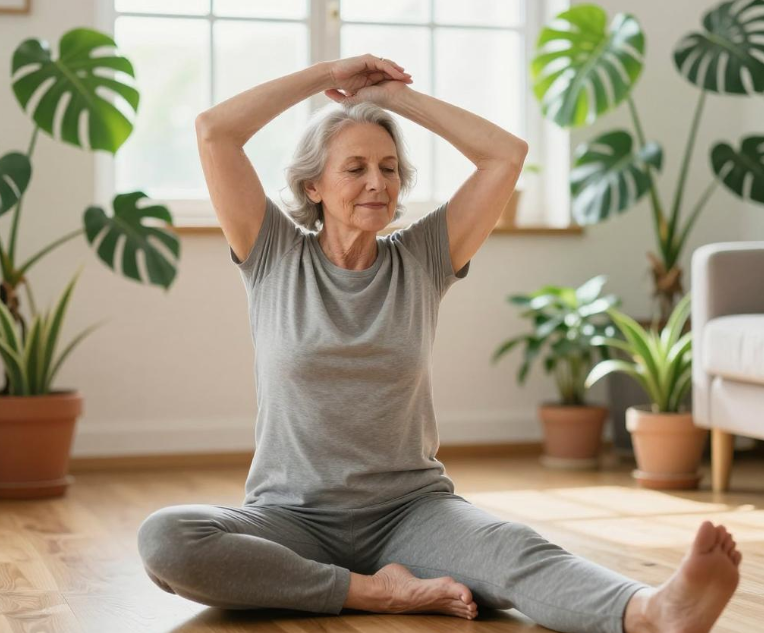
Another popular category of home fitness is yoga, which combines physical postures with breathing techniques to promote both physical and mental well-being. Practicing yoga at home allows for greater flexibility in scheduling and can be adapted to suit different skill levels. From gentle morning stretches to more intense vinyasa flows, there are countless ways to incorporate yoga into a daily routine. Additionally, the calming nature of yoga makes it an excellent complement to other forms of exercise, helping to reduce stress and improve overall balance.
The Role of Technology in Home Fitness
Technology has played a crucial role in making home fitness more engaging and accessible. Streaming services now offer a wide range of workout videos, from HIIT sessions to dance classes, allowing users to choose activities that match their interests. Smart devices, such as fitness trackers and heart rate monitors, help individuals track progress and stay motivated. Moreover, some applications provide personalized workout plans based on user input, ensuring that each session is tailored to individual needs and goals. This level of customization can make home workouts feel more dynamic and purposeful.
Creating a Sustainable Routine
Ultimately, the success of any home fitness regimen depends on consistency and adaptability. It is essential to set realistic goals, maintain a balanced approach, and remain open to trying new methods. Some days may involve a full-body workout, while others might focus on rest or light activity. Listening to one's body and adjusting the routine accordingly can prevent burnout and keep motivation high. Incorporating elements like music, setting up a dedicated workout space, or exercising with a partner can also enhance the experience and make it more enjoyable.
Conclusion
Home fitness has evolved into a versatile and effective way to maintain physical health without the constraints of traditional gyms. By combining cardio, strength training, flexibility practices, and technological tools, individuals can create a comprehensive and personalized exercise plan. Whether someone is looking to lose weight, build strength, or simply stay active, the options available at home are both diverse and adaptable. With the right mindset and resources, anyone can achieve their fitness goals from the comfort of their own space.
Disclaimer:
1. This article is sourced from the Internet. All content represents the author's personal views only and does not reflect the stance of this website. The author shall be solely responsible for the content.
2. Part of the content on this website is compiled from the Internet. This website shall not be liable for any civil disputes, administrative penalties, or other losses arising from improper reprinting or citation.
3. If there is any infringing content or inappropriate material, please contact us to remove it immediately. Contact us at:
