
How to Alleviate Leg Aches During the Recovery Period of Sports Injuries
Leg aches during the recovery period following a sports injury can be both frustrating and physically uncomfortable. While rest and medical treatment are essential, managing pain and discomfort effectively is equally important. The right combination of strategies can significantly improve mobility, reduce inflammation, and support the body’s natural healing process.

Understanding the Causes of Leg Aches Post-Injury
After sustaining a sports-related injury, such as a sprain, strain, or fracture, the body initiates an inflammatory response to repair damaged tissues. This process often leads to swelling, stiffness, and soreness in the affected area. As the body begins to heal, muscle fatigue and reduced activity levels can contribute to lingering leg aches. These symptoms are not uncommon but should not be ignored, as they may indicate improper healing or overexertion.
Practical Strategies for Relief
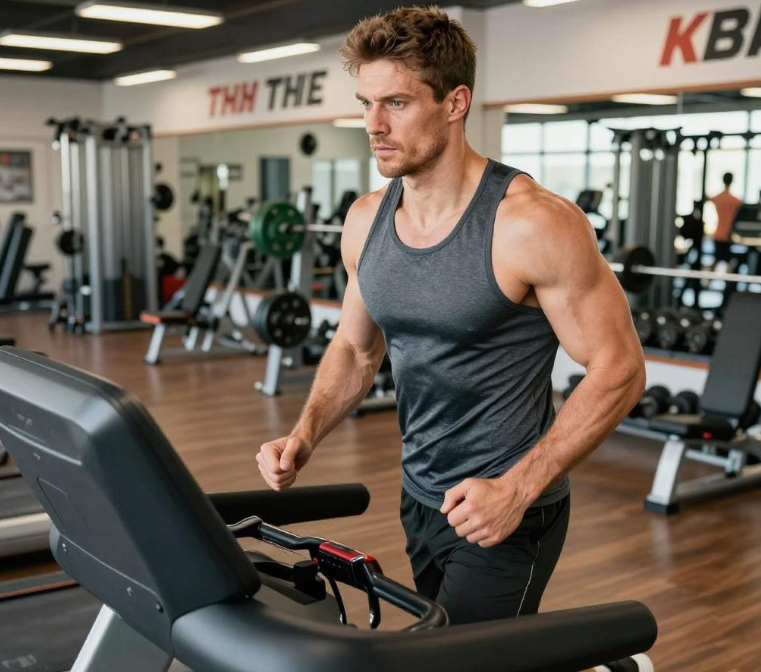
One of the most effective ways to manage leg aches is through gentle movement and physical therapy. Light exercises, such as walking or stretching, can promote blood circulation and prevent muscle atrophy. However, it is crucial to avoid pushing the body beyond its limits. Overdoing it can delay recovery and exacerbate pain. Working with a physiotherapist ensures that the exercises are tailored to individual needs and progress gradually.
In addition to movement, applying cold or heat therapy can offer relief. Cold compresses help reduce inflammation and numb sore areas, while warm compresses relax tense muscles and increase blood flow. Alternating between the two can provide a more comprehensive approach to pain management. For instance, using ice immediately after a workout session and switching to heat later in the day can create a balanced recovery routine.
Nutrition and Hydration: Supporting the Body from Within
Proper nutrition plays a vital role in the recovery process. Consuming foods rich in anti-inflammatory properties, such as omega-3 fatty acids, antioxidants, and protein, can aid in tissue repair and reduce pain. Staying well-hydrated is also key, as dehydration can worsen muscle cramps and fatigue. Including electrolyte-rich beverages in the daily routine helps maintain muscle function and overall energy levels.
The Role of Sleep and Stress Management
Quality sleep is often underestimated in the context of recovery. During sleep, the body undergoes critical repair processes, making it an essential component of any rehabilitation plan. Ensuring a consistent sleep schedule and a comfortable sleeping environment can enhance recovery outcomes. Additionally, stress can negatively impact the body’s ability to heal, so incorporating relaxation techniques like deep breathing or meditation can be beneficial.
When to Seek Professional Help
While home remedies and self-care practices are useful, there are instances when professional intervention becomes necessary. If leg aches persist or worsen despite these efforts, it may be a sign of an underlying issue that requires medical attention. Consulting a healthcare provider ensures that the recovery process remains on track and prevents potential complications.
Conclusion
Leg aches during the recovery period of a sports injury are a common challenge, but they are not insurmountable. By combining targeted physical activity, appropriate therapeutic interventions, and a focus on overall well-being, individuals can navigate this phase more comfortably. Understanding the body’s signals and responding with care and patience is key to a successful and sustainable recovery.
Disclaimer:
1. This article is sourced from the Internet. All content represents the author's personal views only and does not reflect the stance of this website. The author shall be solely responsible for the content.
2. Part of the content on this website is compiled from the Internet. This website shall not be liable for any civil disputes, administrative penalties, or other losses arising from improper reprinting or citation.
3. If there is any infringing content or inappropriate material, please contact us to remove it immediately. Contact us at:
