
The Most Authentic Flexibility Training
Flexibility is often misunderstood as a simple stretch-and-hold routine, but the most authentic form of flexibility training goes far beyond that. It is a dynamic, mindful practice that integrates movement, awareness, and intention to unlock the body’s full potential. Whether you are an athlete, a yoga practitioner, or someone simply looking to improve daily mobility, embracing this deeper approach can transform how you move—and how you feel.
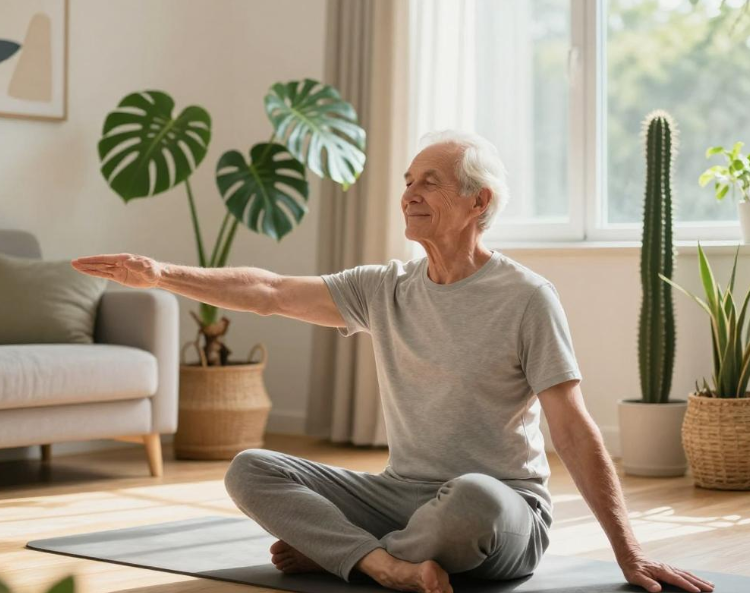
Understanding the Essence of Real Flexibility
True flexibility isn’t about touching your toes or achieving a perfect split. It's about the body's ability to move efficiently through its full range of motion without restriction or pain. This kind of flexibility requires more than just passive stretching; it demands active engagement, controlled breathing, and a deep connection between mind and body. Think of it as a conversation with your muscles, one where you listen, respond, and gradually build trust over time.
In many traditional practices, flexibility is treated as a goal in itself, something to be achieved through repetition. However, the most authentic training recognizes that flexibility is a process—one that evolves with consistent effort, patience, and self-awareness. It’s not about forcing the body into positions but guiding it toward greater ease and control.
The Role of Mindfulness in Flexibility Development
One of the most powerful tools in authenticity-driven flexibility training is mindfulness. When you bring conscious attention to your movements, you begin to notice subtle patterns—tension, resistance, or even emotional blocks—that might otherwise go unnoticed. This awareness allows for a more nuanced and effective approach to stretching.
For example, a yoga practitioner who focuses on the sensation of their hamstrings during a forward fold may discover that the tightness they feel isn’t just physical. It could be linked to stress, past injuries, or even a lack of confidence in certain movements. By addressing these underlying factors, the training becomes not only more effective but also more meaningful.

Integrating Movement and Stability
Another key aspect of authentic flexibility is the balance between mobility and stability. Many people focus solely on increasing range of motion, but without the strength to support those movements, the results can be unstable or even harmful. Think of it like a bridge: if the foundation isn’t strong, the structure won’t hold.
A well-rounded flexibility program should include exercises that enhance both joint mobility and muscular stability. For instance, incorporating dynamic stretches such as leg swings or arm circles before a session can prepare the body for deeper work, while strengthening exercises like planks or squats help maintain control throughout the range of motion. This combination ensures that flexibility is not just about being "loose" but about being "strong and free."
Real-World Applications and Benefits
The benefits of authentic flexibility training extend far beyond the mat or studio. Athletes who prioritize this kind of training report improved performance, reduced injury risk, and better recovery times. Office workers who incorporate mindful stretching into their routines often experience less stiffness, better posture, and increased energy levels. Even older adults find that maintaining flexibility supports independence and quality of life.
Consider a professional dancer who spends hours each day working on their range of motion. If they rely only on static stretching, they may achieve impressive flexibility but lack the control needed for complex choreography. However, by integrating dynamic movements, breathwork, and mental focus, they can perform with greater precision and confidence.
A Personal Perspective on Authenticity
From years of working with clients across different fitness levels, I’ve seen firsthand how the right approach to flexibility can change lives. One client, a marathon runner, struggled with recurring knee pain. After shifting from rigid stretching routines to a more holistic method that included mobility drills and body awareness practices, he not only found relief but also improved his running efficiency. His story highlights the power of authenticity in training—not just in terms of technique, but in the way we engage with our bodies.
Conclusion
At its core, the most authentic flexibility training is about connection—between movement and stillness, between body and mind, and between effort and ease. It is a practice that values progress over perfection, presence over performance, and understanding over force. Whether you're starting out or refining your skills, embracing this philosophy can lead to lasting improvements in both physical and mental well-being. Flexibility, when approached with intention and care, becomes not just a skill but a lifelong journey of discovery.
Disclaimer:
1. This article is sourced from the Internet. All content represents the author's personal views only and does not reflect the stance of this website. The author shall be solely responsible for the content.
2. Part of the content on this website is compiled from the Internet. This website shall not be liable for any civil disputes, administrative penalties, or other losses arising from improper reprinting or citation.
3. If there is any infringing content or inappropriate material, please contact us to remove it immediately. Contact us at:
