
Postural Correction Massage
Postural correction massage has emerged as a vital therapeutic approach in addressing the growing prevalence of musculoskeletal imbalances caused by modern lifestyles. As more individuals spend long hours seated, hunched over screens, or engaged in repetitive movements, the need for targeted interventions to restore proper body alignment has never been greater. This article explores how postural correction massage serves as both a preventive and corrective measure, offering tangible benefits for physical well-being and functional mobility.
Understanding the Importance of Posture
Posture is not merely about standing tall; it is a reflection of how the body interacts with its environment. Poor posture can lead to chronic pain, reduced flexibility, and even systemic issues such as breathing difficulties and fatigue. The human body is designed to maintain a natural alignment, but daily habits often disrupt this balance. For instance, slouching while working or carrying heavy bags on one shoulder can create uneven muscle tension, leading to misalignment of the spine and joints. Over time, these imbalances may result in conditions like kyphosis, scoliosis, or temporomandibular joint disorders.
How Postural Correction Massage Works
Postural correction massage is a specialized form of therapy that combines traditional massage techniques with targeted adjustments to realign the body’s structure. Unlike general relaxation massages, this method focuses on identifying and correcting specific postural distortions. Practitioners use a combination of soft tissue manipulation, stretching, and mobilization techniques to release tight muscles, strengthen weak ones, and encourage the body to return to a more neutral position. This process not only alleviates pain but also enhances overall movement efficiency.
One effective technique involves myofascial release, which targets the connective tissues surrounding muscles to reduce restrictions and improve range of motion. Another key component is trigger point therapy, where pressure is applied to specific areas of tension to relieve discomfort and promote muscle relaxation. These methods are often complemented by guided exercises that reinforce the corrections made during the session, helping clients maintain their improved posture at home.
Real-World Applications and Benefits
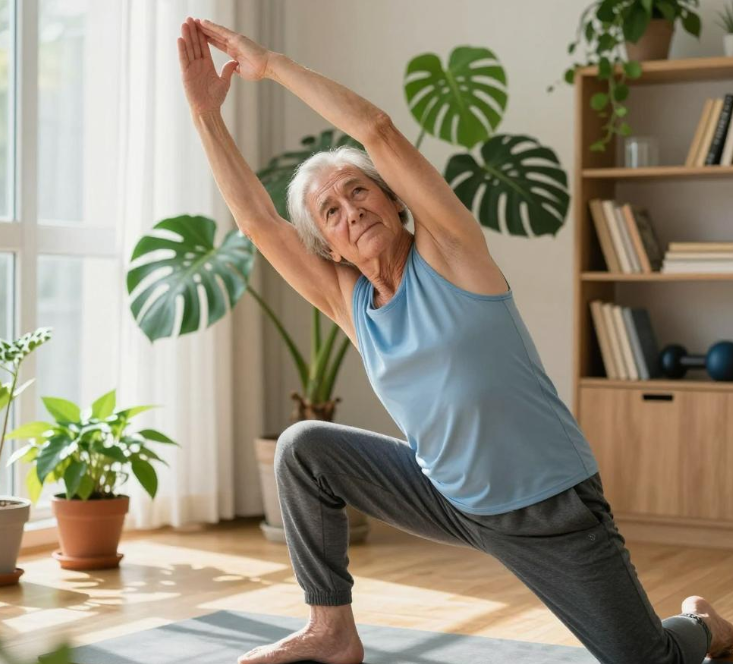
The practical applications of postural correction massage extend beyond individual wellness. Office workers, athletes, and even elderly populations have found relief from chronic discomfort through this approach. For example, a software developer who experiences neck and shoulder pain due to prolonged computer use might benefit from regular sessions that address the forward head posture and rounded shoulders common in such cases. Similarly, a runner struggling with knee pain could see improvements after correcting pelvic tilt and hip imbalance through targeted massage and movement retraining.
Moreover, the benefits are not limited to physical health alone. Improved posture can boost confidence, enhance breathing patterns, and even influence mood. When the body is aligned properly, it functions more efficiently, reducing the strain on internal organs and promoting better circulation. This holistic impact makes postural correction massage a valuable tool in integrative healthcare.

Choosing the Right Practitioner
Selecting a qualified practitioner is crucial for achieving meaningful results. A skilled therapist should possess both a deep understanding of anatomy and experience in postural assessment. They should be able to identify subtle misalignments and tailor their approach to each client’s unique needs. Open communication between the client and therapist is essential, as it allows for a more personalized and effective treatment plan.
Clients should also be prepared to commit to a series of sessions, as postural changes often require time and consistency. In addition to professional care, incorporating ergonomic adjustments at home and work, along with regular stretching and strengthening exercises, can significantly enhance the outcomes of postural correction massage.
Conclusion
In an era defined by sedentary lifestyles and digital dependency, postural correction massage offers a proactive solution to the growing challenges of musculoskeletal health. By addressing the root causes of postural imbalances, this practice not only relieves pain but also supports long-term physical function and well-being. Whether used as a standalone treatment or integrated into a broader wellness strategy, it remains a powerful and accessible option for those seeking to restore harmony to their bodies.
Disclaimer:
1. This article is sourced from the Internet. All content represents the author's personal views only and does not reflect the stance of this website. The author shall be solely responsible for the content.
2. Part of the content on this website is compiled from the Internet. This website shall not be liable for any civil disputes, administrative penalties, or other losses arising from improper reprinting or citation.
3. If there is any infringing content or inappropriate material, please contact us to remove it immediately. Contact us at:
