
Flexibility Training Stretching Techniques Include
Flexibility training is a critical component of any well-rounded fitness regimen, offering benefits that extend beyond mere physical performance. Whether you're an athlete, a desk worker, or someone simply looking to improve daily mobility, incorporating effective stretching techniques can significantly enhance your quality of life. The methods used in flexibility training are diverse, each with its own advantages and applications, making it essential to understand the range of options available.
Understanding the Purpose of Flexibility Training
At its core, flexibility training aims to increase the range of motion around joints and reduce the risk of injury. It also helps in improving posture, alleviating muscle tension, and promoting better circulation. However, the effectiveness of these outcomes depends largely on the specific stretching techniques employed. Different approaches cater to various needs, from dynamic movements before exercise to static holds after a workout.
Dynamic vs. Static Stretching: A Fundamental Distinction
One of the most common distinctions in flexibility training lies between dynamic and static stretching. Dynamic stretching involves controlled, repetitive movements that mimic the actions of the activity you're about to perform. This method is particularly useful for warming up, as it increases blood flow and prepares muscles for more intense activity. For instance, leg swings or arm circles can be excellent pre-workout exercises.
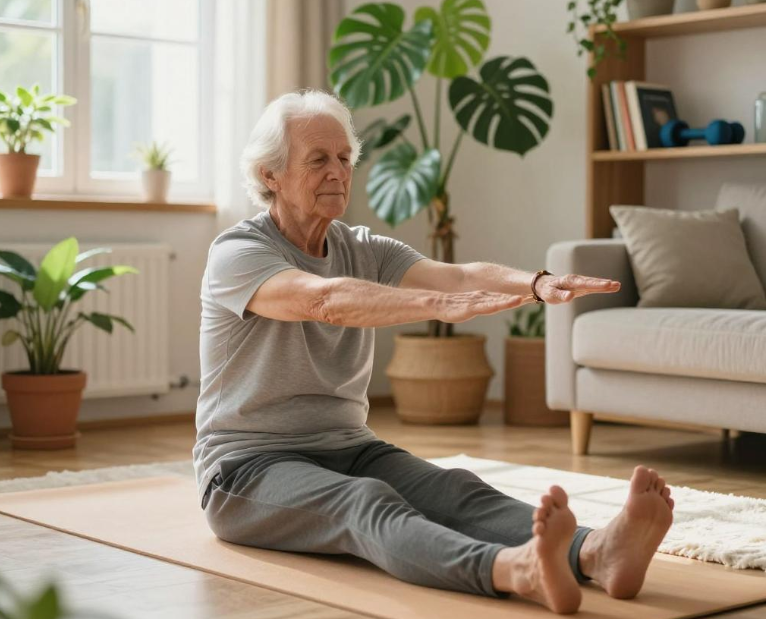
On the other hand, static stretching involves holding a stretch position for an extended period—usually 15 to 30 seconds—without movement. This technique is ideal for post-exercise recovery, helping to relax muscles and improve overall flexibility. A classic example is the hamstring stretch, where one sits with legs extended and reaches toward the toes.

Proprioceptive Neuromuscular Facilitation (PNF): A More Advanced Approach
For those seeking deeper improvements in flexibility, proprioceptive neuromuscular facilitation (PNF) offers a more advanced strategy. PNF combines both stretching and contracting of muscles, often involving a partner or resistance band. This method leverages the body's natural reflexes to achieve greater flexibility than traditional stretching alone. The "contract-relax" technique, for instance, involves contracting a muscle against resistance before relaxing into a stretch, which can lead to significant gains in range of motion.
Yoga and Pilates: Holistic Methods for Flexibility
Yoga and Pilates are two popular practices that integrate flexibility training with strength, balance, and mindfulness. These disciplines go beyond simple stretching by emphasizing controlled breathing, body awareness, and mental focus. In yoga, poses like downward dog or forward fold not only stretch muscles but also promote relaxation and mental clarity. Pilates, with its emphasis on core stability, enhances flexibility while building functional strength.
The Role of Consistency and Patience
It’s important to recognize that flexibility is not achieved overnight. Like any form of training, it requires consistency, patience, and proper technique. Over time, regular practice can lead to noticeable improvements in mobility and overall physical function. However, pushing too hard or too fast can result in strain or injury, so it’s crucial to listen to your body and adjust accordingly.
Incorporating Flexibility into Daily Life
Beyond structured workouts, integrating flexibility into daily routines can have lasting benefits. Simple habits such as taking short stretching breaks during long periods of sitting, using a foam roller for myofascial release, or practicing mindful movement throughout the day can all contribute to better flexibility. These small efforts add up, creating a more resilient and adaptable body over time.
Conclusion
In summary, the stretching techniques used in flexibility training encompass a wide range of methods, each with unique benefits and applications. From dynamic and static stretches to advanced techniques like PNF and holistic practices such as yoga and Pilates, there is no single approach that fits everyone. The key lies in understanding your personal goals, body needs, and lifestyle, and then selecting the most appropriate strategies. With time, dedication, and a balanced approach, anyone can significantly enhance their flexibility and enjoy the many rewards that come with it.
Disclaimer:
1. This article is sourced from the Internet. All content represents the author's personal views only and does not reflect the stance of this website. The author shall be solely responsible for the content.
2. Part of the content on this website is compiled from the Internet. This website shall not be liable for any civil disputes, administrative penalties, or other losses arising from improper reprinting or citation.
3. If there is any infringing content or inappropriate material, please contact us to remove it immediately. Contact us at:
