
How Long Should the Rest Period Be Between Sets in Strength Training
In strength training, the duration of rest between sets plays a crucial role in determining the effectiveness of your workout. Research and practical experience suggest that optimal rest intervals vary depending on the goals, intensity, and type of exercise being performed. Understanding how to structure these breaks can significantly enhance muscle growth, strength gains, and overall performance.

The Science Behind Rest Intervals
Rest periods are not just about allowing your body to recover—they are a strategic component of any training program. When you lift weights, your muscles undergo micro-tears, and energy stores like ATP and glycogen are depleted. During rest, the body initiates repair processes and replenishes these resources. However, the length of this recovery window directly affects the quality of the next set.
For instance, if the rest is too short, you may not fully recover, leading to diminished performance and increased risk of injury. Conversely, if the rest is too long, you might lose the metabolic stress necessary for muscle hypertrophy. Finding the right balance is essential.
Factors Influencing Optimal Rest Duration
Several factors influence the ideal rest period between sets. One of the most significant is the training goal. If the objective is to build maximal strength, longer rest intervals—typically 2 to 5 minutes—are recommended. This allows for full recovery of the central nervous system and sufficient time to maintain high-intensity output during each set.
On the other hand, if the focus is on muscle endurance or hypertrophy, shorter rest periods—ranging from 30 seconds to 90 seconds—are more effective. These intervals keep the muscles under tension for a longer duration, promoting metabolic stress and muscle fiber recruitment.
Another key factor is the type of exercise. Compound movements like squats, deadlifts, and bench presses require more recovery time compared to isolation exercises such as bicep curls or leg extensions. The larger muscle groups involved in compound lifts demand more energy and coordination, making longer rests more beneficial.
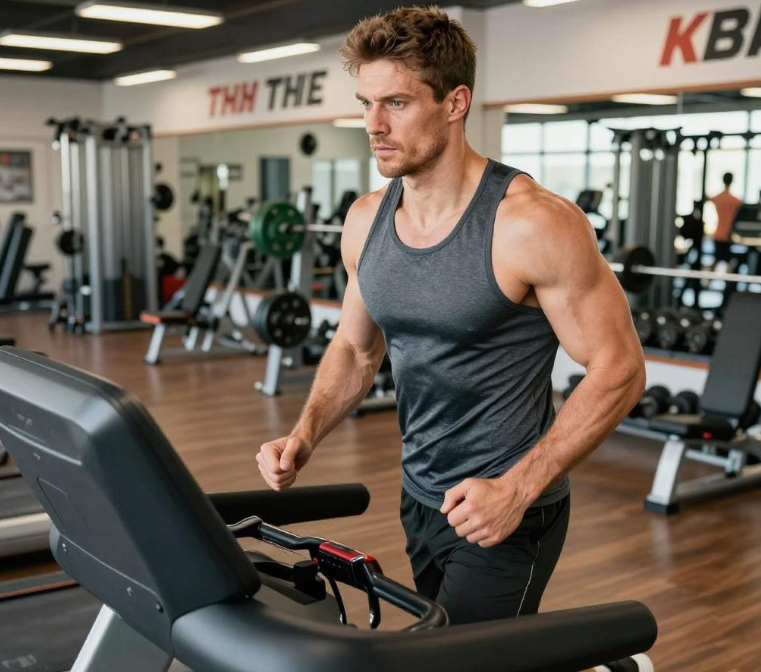
Real-World Application and Practical Insights
Consider a typical strength training session for someone aiming to increase muscle mass. A lifter performing barbell squats with heavy weights might take 2 to 3 minutes of rest between sets. This ensures they can maintain proper form and lift at near-maximal capacity. In contrast, someone doing a circuit of push-ups, lunges, and planks would benefit from 45 to 60 seconds of rest, keeping the heart rate elevated and promoting continuous muscle engagement.
In professional settings, elite athletes and coaches often use real-time feedback from heart rate monitors, perceived exertion scales, and even video analysis to fine-tune rest intervals. This data-driven approach helps tailor the rest periods to individual needs, ensuring maximum efficiency without overtraining.
Common Mistakes and How to Avoid Them
One common mistake is assuming that longer rest periods always lead to better results. While this is true for strength-focused training, it can hinder progress in hypertrophy or endurance-based programs. Another pitfall is rushing through rest periods, which can compromise form and reduce the effectiveness of the workout.
To avoid these issues, it’s important to be intentional. Start by experimenting with different rest durations and observe how your body responds. Pay attention to fatigue levels, recovery speed, and overall performance. Over time, you’ll develop a sense of what works best for your specific goals.
Final Thoughts
Determining the ideal rest interval between sets in strength training is not a one-size-fits-all scenario. It requires a nuanced understanding of your objectives, the nature of your exercises, and your personal physiology. By adjusting rest periods strategically, you can maximize the benefits of your training and move closer to your fitness goals. Ultimately, the goal is not just to lift heavier but to train smarter and more effectively.
Disclaimer:
1. This article is sourced from the Internet. All content represents the author's personal views only and does not reflect the stance of this website. The author shall be solely responsible for the content.
2. Part of the content on this website is compiled from the Internet. This website shall not be liable for any civil disputes, administrative penalties, or other losses arising from improper reprinting or citation.
3. If there is any infringing content or inappropriate material, please contact us to remove it immediately. Contact us at:
