
Which Is More Effective for Weight Loss: Aerobic or Anaerobic Exercise?
The short answer is that both aerobic and anaerobic exercises play critical roles in weight loss, but they do so in different ways. Understanding their unique contributions can help individuals design a more effective fitness strategy tailored to their goals.
The Science Behind the Two Types of Exercise
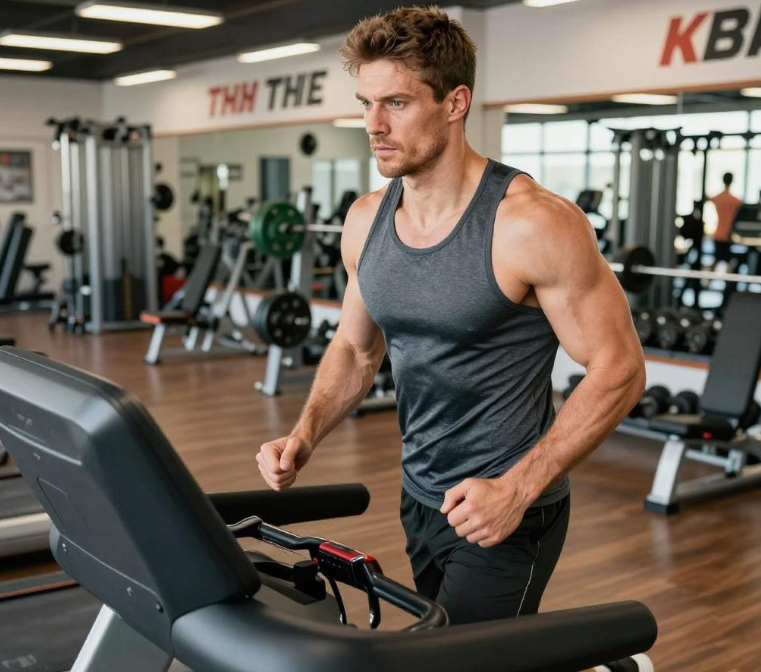
Aerobic exercise, often referred to as cardio, involves sustained, rhythmic movements that elevate heart rate and increase oxygen consumption. Activities like running, cycling, and swimming fall into this category. These exercises primarily rely on the body’s ability to use oxygen to generate energy, which makes them excellent for improving cardiovascular health and burning calories over time.
On the other hand, anaerobic exercise, such as weightlifting, sprinting, or high-intensity interval training (HIIT), is characterized by short bursts of intense effort. These activities push the body beyond its oxygen supply, leading to the production of lactic acid and a significant metabolic afterburn effect—commonly known as the "afterburn." This means the body continues to burn calories even after the workout has ended.

How Each Impacts Fat Loss
When it comes to fat loss, the key factor is the total number of calories burned. Aerobic exercise tends to burn more calories during the activity itself, making it an efficient choice for those looking to create a calorie deficit quickly. However, the effects are often temporary, and the body may adapt over time, reducing the efficiency of each session.
Anaerobic exercise, while not burning as many calories during the workout, offers a longer-lasting metabolic boost. The muscle-building aspect of strength training increases resting metabolic rate, meaning the body burns more calories even at rest. This makes anaerobic workouts particularly beneficial for long-term weight management and body composition improvement.
Real-World Applications and Personalization
In practice, the most successful weight loss strategies often combine both types of exercise. For example, someone might start their week with a few days of moderate-intensity cardio to build endurance and then incorporate strength training sessions to build lean muscle mass. This combination not only enhances fat loss but also improves overall physical performance and reduces the risk of injury.
Consider a scenario where two individuals follow different routines. One focuses solely on long-distance running, while the other includes HIIT and resistance training. The runner may see initial weight loss due to high calorie expenditure, but without muscle development, progress may plateau. Meanwhile, the second individual experiences steady fat loss and improved body tone, thanks to the metabolic advantages of anaerobic work.
Balancing the Approach
There’s no one-size-fits-all solution when it comes to exercise and weight loss. Some people may find aerobic exercise more enjoyable or sustainable, while others prefer the challenge and variety of anaerobic training. The key is to recognize that both have value and that integrating them can lead to better results than relying on one alone.
Moreover, diet remains the cornerstone of any weight loss plan. Exercise, whether aerobic or anaerobic, should be viewed as a complement rather than a replacement for proper nutrition.
Final Thoughts
In conclusion, neither aerobic nor anaerobic exercise is inherently superior for weight loss. Instead, each has its own strengths and optimal use cases. A well-rounded approach that incorporates both types of activity, along with a balanced diet, is likely to yield the most sustainable and effective results. Ultimately, the best exercise plan is one that aligns with personal preferences, lifestyle, and long-term health goals.
Disclaimer:
1. This article is sourced from the Internet. All content represents the author's personal views only and does not reflect the stance of this website. The author shall be solely responsible for the content.
2. Part of the content on this website is compiled from the Internet. This website shall not be liable for any civil disputes, administrative penalties, or other losses arising from improper reprinting or citation.
3. If there is any infringing content or inappropriate material, please contact us to remove it immediately. Contact us at:
