
The Value of a Course on Preventing and Managing Sports Injuries
Taking a course on preventing and managing sports injuries has proven to be an invaluable experience, offering both practical knowledge and a deeper understanding of the physical demands placed on the human body during athletic activities. The insights gained from this program have not only enhanced my ability to respond to emergencies but also equipped me with the tools to reduce the likelihood of injury in the first place.
Understanding the Risks and Building Awareness
One of the most significant takeaways from the course was the realization that sports injuries are often preventable through proper preparation and awareness. Whether it’s a simple sprain or a more severe fracture, many incidents stem from a lack of understanding about the body’s limitations. Through case studies and real-world examples, I learned how even minor oversights—like skipping a warm-up or ignoring early warning signs—can lead to serious consequences. This knowledge has shifted my mindset from reactive to proactive, emphasizing the importance of preparation and self-awareness in any physical activity.

Practical Skills for Immediate Response
Beyond prevention, the course provided hands-on training in emergency response techniques. From applying splints to recognizing the symptoms of concussions, the skills taught were both specific and adaptable. One particularly memorable scenario involved a simulated ankle sprain during a soccer match. The process of assessing the injury, stabilizing the area, and deciding whether to continue or stop the game reinforced the critical thinking required in high-pressure situations. These experiences have made me more confident in handling unexpected incidents, not just as an athlete, but as someone who can support others in need.
The Role of Education in Long-Term Health
What struck me most was how education plays a central role in long-term health management. The course didn’t just focus on quick fixes; it emphasized the importance of ongoing care, rehabilitation, and lifestyle adjustments. For instance, learning about the recovery process after a muscle tear highlighted the need for patience and consistency. It became clear that treating an injury is only part of the story—understanding how to prevent recurrence is equally vital. This perspective has influenced my approach to personal fitness and has encouraged me to advocate for better practices within my community.
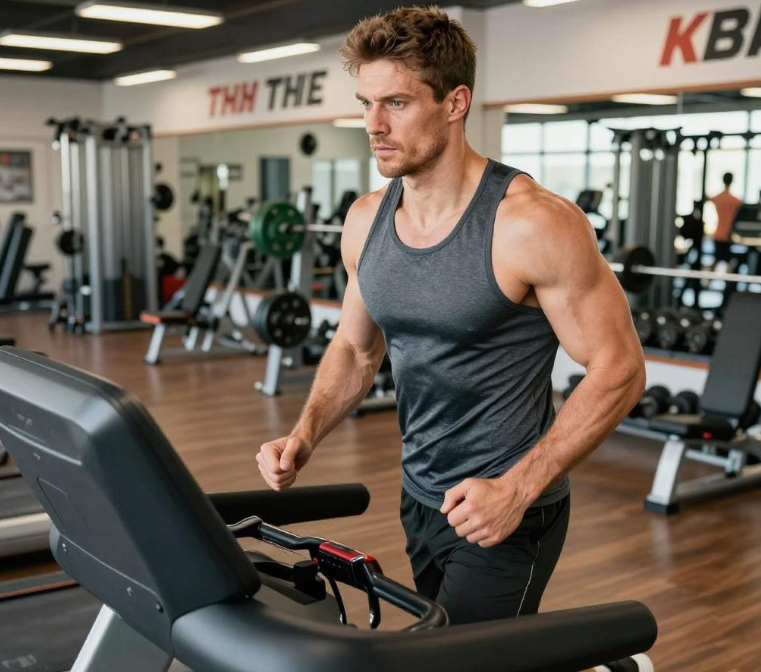
A Broader Perspective on Physical Activity
The course also opened my eyes to the broader implications of sports injury prevention. It’s not just about individual performance—it’s about creating safer environments for all participants. Whether in schools, professional teams, or recreational settings, the principles taught here can be applied universally. The emphasis on communication between athletes, coaches, and medical professionals underscored the importance of a collaborative approach. This realization has inspired me to think more critically about how we structure and support physical activity in our daily lives.
Reflections and Future Applications
Looking back, the course has been more than an academic exercise—it has shaped how I view movement, safety, and responsibility. The blend of theory and practice has given me a well-rounded foundation that I can apply in various contexts. As I move forward, I intend to share what I’ve learned with others, whether through mentoring, advocacy, or simply being more mindful in my own routines. The lessons from this course will continue to influence my decisions, ensuring that I remain informed, prepared, and proactive in the face of physical challenges.
Disclaimer:
1. This article is sourced from the Internet. All content represents the author's personal views only and does not reflect the stance of this website. The author shall be solely responsible for the content.
2. Part of the content on this website is compiled from the Internet. This website shall not be liable for any civil disputes, administrative penalties, or other losses arising from improper reprinting or citation.
3. If there is any infringing content or inappropriate material, please contact us to remove it immediately. Contact us at:
