
The Methods and Significance of Flexibility Training
Flexibility training is more than a routine exercise—it is a vital component of physical health, performance enhancement, and injury prevention. Whether you are an athlete striving for peak condition or someone looking to improve daily mobility, incorporating flexibility practices into your lifestyle can yield profound benefits. This article explores the diverse methods used in flexibility training and highlights why it remains an essential aspect of overall well-being.
Understanding Flexibility: Beyond the Stretch
At its core, flexibility refers to the range of motion available at a joint. It is not merely about being able to touch your toes, but rather about maintaining healthy movement patterns across the body. A lack of flexibility can lead to muscular imbalances, reduced coordination, and increased risk of injury. Think of flexibility as the foundation upon which other physical abilities—strength, endurance, and agility—are built. Without it, even the most powerful athlete may find their potential limited.

Common Techniques in Flexibility Training
There are several established methods for improving flexibility, each with its own advantages and applications. Static stretching, where a position is held for 15–30 seconds, is often used after workouts to promote relaxation and reduce muscle tension. Dynamic stretching, on the other hand, involves controlled movements that mimic the activity to be performed, making it ideal for warming up before exercise. Both approaches have their place, and the best results often come from a combination tailored to individual needs.
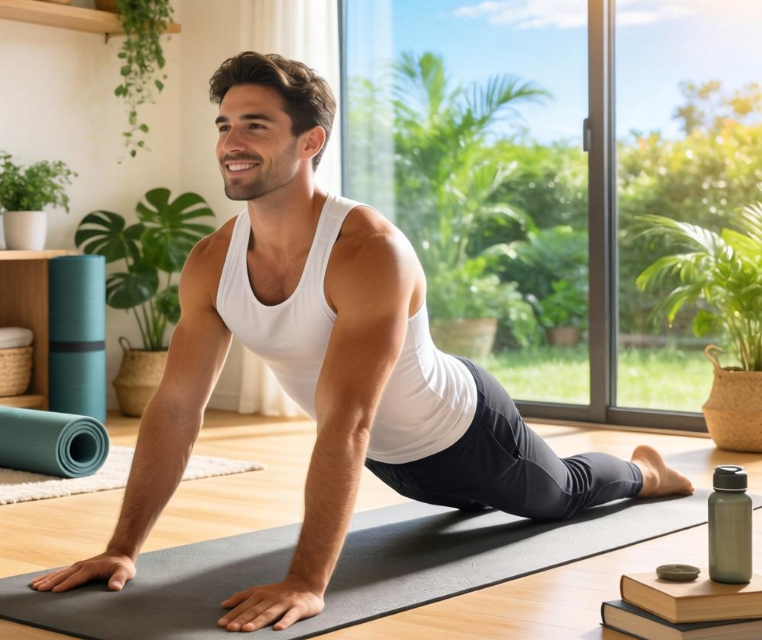
Yoga and Pilates are also widely recognized for their effectiveness in enhancing flexibility. These practices integrate postures and controlled breathing to increase joint mobility while promoting mental focus and body awareness. For those seeking a more targeted approach, proprioceptive neuromuscular facilitation (PNF) offers a technique that uses both stretching and contraction to maximize flexibility gains. Each method has unique benefits, and the choice often depends on personal goals and physical conditions.
The Broader Implications of Flexibility
Beyond physical performance, flexibility plays a crucial role in long-term health. As people age, maintaining mobility becomes increasingly important. Regular flexibility exercises can help prevent stiffness, support joint health, and improve posture. In a world where sedentary lifestyles are common, these practices offer a way to counteract the negative effects of prolonged sitting and poor movement habits.
Moreover, flexibility training contributes to mental well-being. The mindfulness involved in stretching routines can serve as a form of meditation, reducing stress and improving emotional resilience. It is not uncommon for individuals to report feeling more centered and grounded after a session of yoga or deep stretching. This mind-body connection underscores the holistic value of flexibility work.
Real-World Applications and Personal Insights
Consider the case of a professional dancer who relies on extreme flexibility to perform complex movements. Their training regimen includes a mix of dynamic stretches, PNF techniques, and regular yoga sessions. Similarly, office workers who incorporate short stretching breaks throughout the day often experience less back pain and greater comfort during long hours of sitting. These examples illustrate how flexibility training can be adapted to different lifestyles and objectives.
From a personal perspective, integrating flexibility into my own fitness routine has been transformative. Initially, I viewed it as a secondary concern, but over time, I noticed improvements in my balance, posture, and even sleep quality. It became clear that flexibility was not just about movement—it was about how I felt in my body every day.
Conclusion: A Holistic Investment in Health
In conclusion, flexibility training is a multifaceted practice that offers significant physical, mental, and emotional benefits. By understanding the various methods available and recognizing its broader implications, individuals can make informed decisions about how to incorporate flexibility into their daily lives. Whether through structured routines or simple daily stretches, the goal is to move with ease, maintain function, and enhance overall quality of life. In a rapidly changing world, prioritizing flexibility is not just beneficial—it is essential.
Disclaimer:
1. This article is sourced from the Internet. All content represents the author's personal views only and does not reflect the stance of this website. The author shall be solely responsible for the content.
2. Part of the content on this website is compiled from the Internet. This website shall not be liable for any civil disputes, administrative penalties, or other losses arising from improper reprinting or citation.
3. If there is any infringing content or inappropriate material, please contact us to remove it immediately. Contact us at:
