
Does Working Out at the Gym Cause Stomach Pain?
Working out at the gym can lead to stomach pain, but this is often a result of improper technique, overexertion, or underlying health conditions rather than the exercise itself. Understanding the causes and learning how to prevent discomfort can help ensure a safer and more effective fitness journey.
Understanding the Connection Between Exercise and Abdominal Discomfort
Physical activity, especially strength training, places demands on the body that can sometimes lead to unexpected reactions. The abdominal region, in particular, is involved in many exercises, from core workouts to compound movements like squats and deadlifts. When muscles are pushed beyond their current capacity, it can result in soreness or even acute pain. This is not necessarily a sign of harm, but it does signal that adjustments may be needed.
In some cases, stomach pain during or after a workout could stem from something as simple as eating too close to the session. The digestive system requires blood flow to function properly, and when that blood is redirected to working muscles during exercise, digestion can slow down or become uncomfortable. This is why many fitness professionals advise waiting at least 30 minutes after a meal before engaging in intense physical activity.
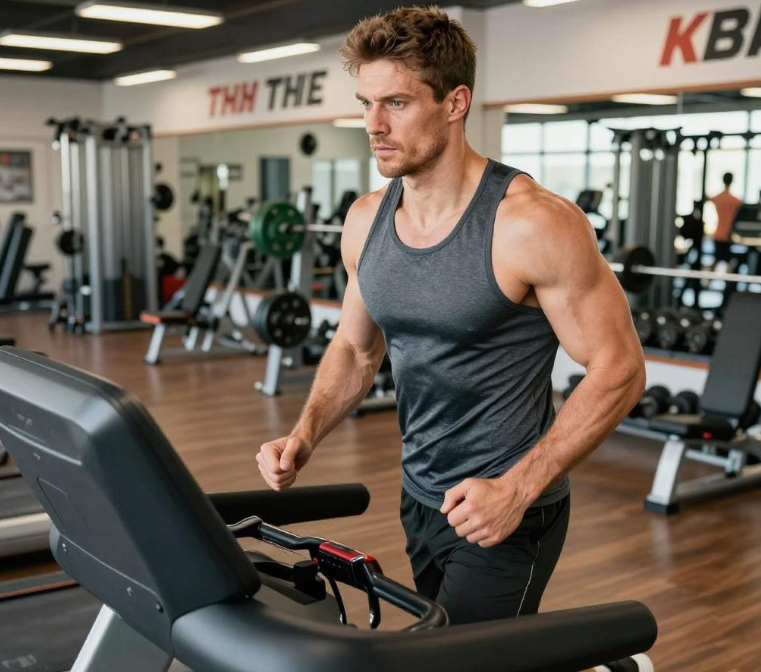
Common Causes of Post-Workout Abdominal Pain
One of the most frequent causes of stomach pain after a gym session is muscle strain. Core muscles, including the rectus abdominis and obliques, are often engaged during weightlifting and resistance training. If these muscles are not warmed up properly or if the intensity is too high, they can become fatigued or even cramp, leading to temporary discomfort.
Another potential cause is poor form. When lifting weights, especially heavy ones, incorrect posture can place unnecessary stress on the abdominal area. For instance, holding your breath during a lift or arching your back excessively can lead to tension and pain. It’s crucial to focus on proper technique and consider working with a trainer to refine your movement patterns.
When to Be Concerned: Recognizing Red Flags
While some degree of muscle soreness is normal, persistent or severe stomach pain should not be ignored. If the pain is sharp, localized, or accompanied by symptoms such as nausea, dizziness, or vomiting, it could indicate a more serious issue. Conditions like hernias, gastrointestinal distress, or even internal injuries may present with similar symptoms. In such cases, seeking medical advice is essential.

Prevention and Practical Tips for a Comfortable Workout Experience
To minimize the risk of stomach pain during and after workouts, consider implementing a few key strategies. First, always warm up thoroughly before starting any strength training session. A dynamic warm-up that includes light cardio and mobility exercises can prepare the body for the upcoming workload.
Second, maintain good hydration and avoid consuming large meals immediately before exercising. Opt for a light snack with a balance of carbohydrates and protein if you need energy before a workout. Additionally, practice controlled breathing throughout your lifts—holding your breath can increase intra-abdominal pressure and contribute to discomfort.
Finally, listen to your body. If a certain movement feels painful or causes unusual tightness, it’s wise to modify the exercise or take a break. Strength training should challenge you, not harm you.
Conclusion: Balancing Fitness and Body Awareness
Stomach pain after working out doesn’t have to be an inevitable part of the process. By understanding how the body responds to exercise, recognizing the signs of overexertion, and making informed choices about form and nutrition, individuals can enjoy a more comfortable and sustainable fitness routine. Ultimately, the goal is to build strength without compromising well-being.
Disclaimer:
1. This article is sourced from the Internet. All content represents the author's personal views only and does not reflect the stance of this website. The author shall be solely responsible for the content.
2. Part of the content on this website is compiled from the Internet. This website shall not be liable for any civil disputes, administrative penalties, or other losses arising from improper reprinting or citation.
3. If there is any infringing content or inappropriate material, please contact us to remove it immediately. Contact us at:
