
Home Fitness Women: Redefining Wellness in the Modern Era
The rise of home fitness has transformed how women engage with physical wellness, offering a flexible, empowering alternative to traditional gym environments. This shift is not just about convenience—it reflects a broader cultural movement toward self-determination, health consciousness, and personalized lifestyle choices.
The Evolution of Home Fitness
In the past, fitness was largely associated with structured routines at commercial gyms, often requiring time, money, and a commitment to external schedules. Today, the concept of home fitness has evolved into a dynamic ecosystem that blends technology, motivation, and individual needs. From online workout platforms to smart home equipment, the tools available to women have expanded dramatically, making it easier than ever to maintain a consistent exercise routine without leaving the comfort of their homes.
This evolution mirrors the increasing demand for autonomy in daily life. Women, especially those balancing work, family, and personal goals, are seeking ways to integrate fitness seamlessly into their routines. Home workouts provide the flexibility to adapt to unpredictable schedules, which is particularly valuable in a fast-paced world.
Beyond the Gym: A Personalized Approach
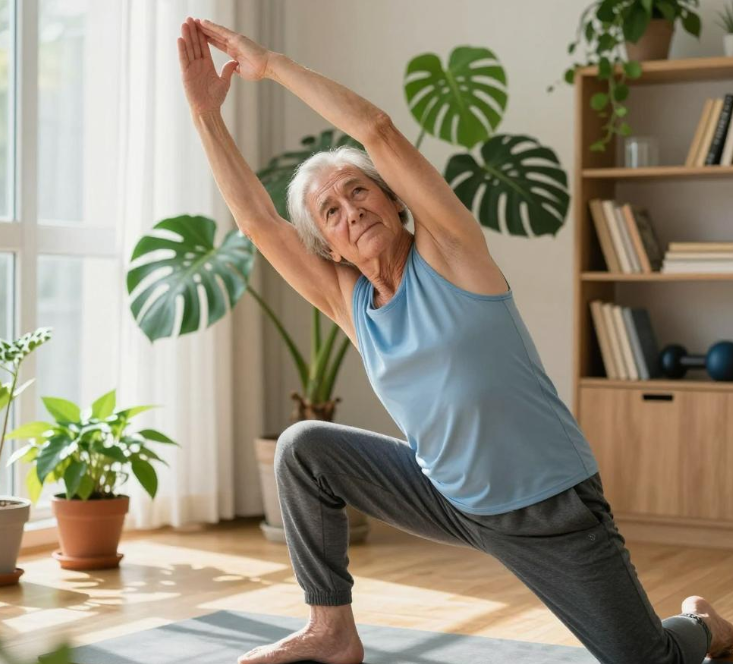
One of the most significant advantages of home fitness is the ability to tailor workouts to individual preferences and physical conditions. Unlike a one-size-fits-all gym environment, home settings allow for customization—whether it's choosing the right music, adjusting the intensity of a session, or focusing on specific areas of concern like core strength or flexibility.
For instance, a busy mother might opt for 15-minute HIIT sessions in the early morning, while a professional might prefer a longer, more focused yoga practice after work. These variations highlight how home fitness accommodates diverse lifestyles, making it an inclusive and adaptable option.
The Role of Technology in Empowering Home Workouts
Technology has played a pivotal role in making home fitness accessible and effective. Wearable devices, mobile apps, and virtual coaching platforms have turned the home into a fully functional training space. These tools offer real-time feedback, progress tracking, and even interactive challenges that keep users engaged and motivated.
Consider the case of a woman who uses a fitness app to follow a guided strength-training program. She can track her reps, monitor her heart rate, and receive personalized recommendations—all from her living room. This level of integration not only enhances the effectiveness of her workouts but also fosters a deeper connection between her body and her goals.
Community and Motivation: Building Connections at Home
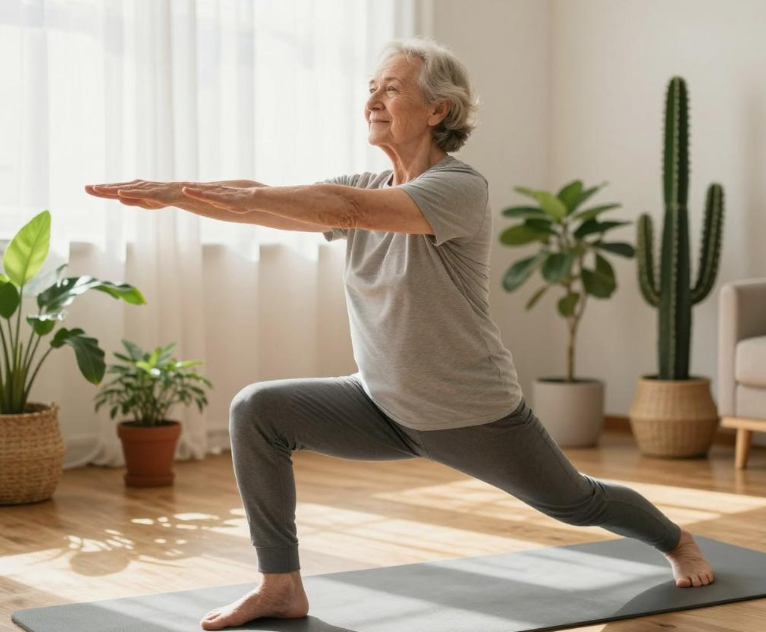
Despite the solitary nature of home workouts, the sense of community remains strong. Online fitness groups, social media challenges, and virtual classes create opportunities for interaction and support. Many women find that participating in these digital communities helps sustain their motivation and provides a sense of belonging.
For example, a group of friends might join a live-streamed Zumba class together, cheering each other on through their screens. This kind of shared experience turns what could be a solitary activity into a collaborative and uplifting one, reinforcing the idea that fitness is not just about physical health but also about emotional and social well-being.
Challenges and Considerations
While home fitness offers numerous benefits, it is not without its challenges. Lack of accountability, limited access to specialized equipment, and potential distractions can hinder consistency. However, these obstacles are not insurmountable. With the right mindset and strategies, such as setting clear goals, creating a dedicated workout space, and using accountability partners, many women successfully navigate these issues.
Moreover, the psychological aspect of home fitness should not be overlooked. For some, the absence of a gym environment may lead to a lack of inspiration. But this is where creativity and variety come into play. Incorporating different types of exercises, trying new routines, and experimenting with outdoor activities can keep the process fresh and exciting.
Conclusion
Home fitness has emerged as a powerful tool for women seeking to take control of their health and well-being. It offers a blend of flexibility, personalization, and technological innovation that aligns with modern lifestyles. As more women embrace this approach, it continues to redefine what it means to stay fit—not just physically, but emotionally and socially as well. In this evolving landscape, the future of fitness is not confined to a single location, but rather shaped by the choices and commitments of individuals who prioritize their own growth and vitality.
Disclaimer:
1. This article is sourced from the Internet. All content represents the author's personal views only and does not reflect the stance of this website. The author shall be solely responsible for the content.
2. Part of the content on this website is compiled from the Internet. This website shall not be liable for any civil disputes, administrative penalties, or other losses arising from improper reprinting or citation.
3. If there is any infringing content or inappropriate material, please contact us to remove it immediately. Contact us at:
