
Principles of Flexibility Training
Flexibility training is not merely about stretching; it is a structured and intentional practice aimed at enhancing the body's range of motion, reducing injury risk, and improving overall physical performance. Whether you are an athlete, a fitness enthusiast, or someone simply looking to maintain mobility as you age, understanding the core principles of flexibility training is essential for achieving meaningful results.

Understanding the Purpose of Flexibility Training
At its core, flexibility training seeks to improve the elasticity of muscles and connective tissues. This process is crucial for maintaining joint health and preventing the stiffness that often accompanies sedentary lifestyles or repetitive movements. Think of it as a way to keep your body's "gears" well-oiled—allowing for smoother, more efficient movement. However, this isn't just about being able to touch your toes. It's about creating a foundation for better posture, improved athletic performance, and long-term musculoskeletal health.
The Importance of Consistency and Patience
One of the most overlooked aspects of flexibility training is the need for consistency. Unlike strength training, which can show noticeable gains within weeks, flexibility improvements often require a longer time horizon. Muscles and tendons don’t respond quickly to stretching alone; they adapt gradually over time. A regular routine, even if short in duration, is far more effective than sporadic, intense sessions. Imagine trying to build a house with only occasional visits to the construction site—without steady effort, progress is unlikely.
Proper Warm-Up and Cool-Down Practices
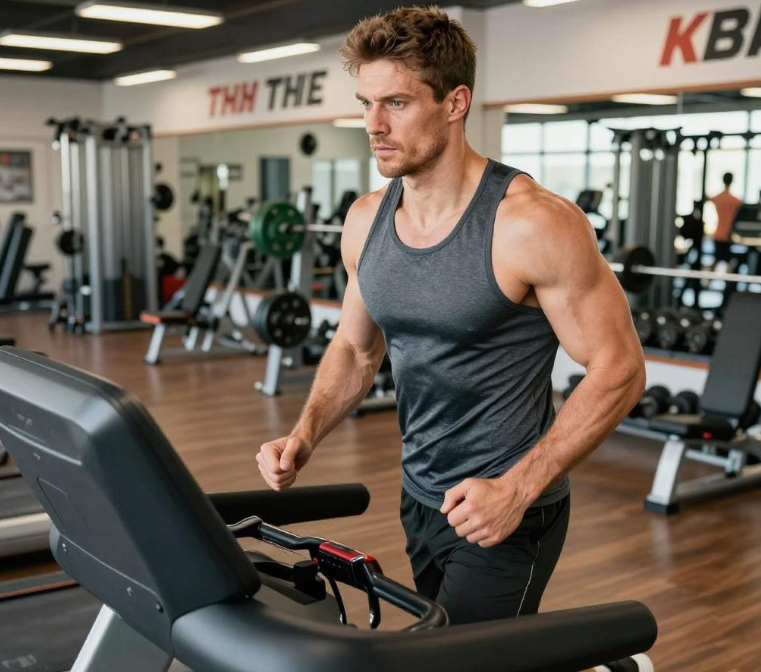
Before diving into any flexibility exercises, a proper warm-up is non-negotiable. Cold muscles are more prone to injury, so dynamic movements such as leg swings, arm circles, or light jogging can help increase blood flow and prepare the body for stretching. Similarly, after a session, a cool-down period with static stretches helps reduce muscle tension and promote recovery. This is akin to preparing a car engine before driving and then letting it idle down afterward—both steps ensure smooth operation and longevity.
Balancing Stretching with Strength and Stability
Flexibility should never come at the expense of strength or stability. Overly stretched muscles without adequate support can lead to instability and increased injury risk. A balanced approach involves integrating strength training alongside flexibility work. For instance, a runner might focus on hip flexor stretches but also incorporate glute activation exercises to maintain balance. This synergy ensures that while the body becomes more supple, it remains strong and functional.
Listening to Your Body: The Key to Safe Progress
A common mistake in flexibility training is pushing too hard, too fast. Each individual’s body is unique, and what works for one person may not be suitable for another. Paying attention to signals like pain, discomfort, or tightness is crucial. If something feels wrong, it likely is. This principle is similar to how a musician adjusts their technique based on how the instrument responds—it's about responsiveness, not force.
Incorporating Variety and Progressive Challenges
To avoid plateaus and maintain engagement, flexibility routines should evolve over time. Introducing new stretches, changing the order of exercises, or incorporating different techniques such as yoga, Pilates, or foam rolling can keep the practice fresh and effective. Just as a chef experiments with new ingredients to keep a menu exciting, a flexible training program benefits from variety and innovation.
Conclusion
In summary, flexibility training is a nuanced and multifaceted practice that requires more than just daily stretching. It demands a thoughtful approach that includes consistency, proper preparation, balance, and an awareness of personal limits. By adhering to these principles, individuals can unlock greater mobility, enhance performance, and foster long-term physical well-being. Ultimately, flexibility is not just about movement—it's about maintaining a healthy, responsive, and resilient body.
Disclaimer:
1. This article is sourced from the Internet. All content represents the author's personal views only and does not reflect the stance of this website. The author shall be solely responsible for the content.
2. Part of the content on this website is compiled from the Internet. This website shall not be liable for any civil disputes, administrative penalties, or other losses arising from improper reprinting or citation.
3. If there is any infringing content or inappropriate material, please contact us to remove it immediately. Contact us at:
