
Recommended Home Workout Exercises
In the current era of busy schedules and limited access to gym facilities, home-based exercise has become an essential component of maintaining physical health. Whether you're a beginner or an experienced fitness enthusiast, incorporating effective home workouts can lead to significant improvements in strength, flexibility, and overall well-being. The key lies in selecting exercises that are both efficient and adaptable to various living spaces.
The Importance of Functional Movements
When designing a home workout routine, focusing on functional movements is crucial. These exercises mimic real-life activities and engage multiple muscle groups simultaneously, making them highly effective for building strength and endurance. Squats, lunges, and planks are prime examples of such movements. They not only target major muscle groups but also enhance core stability and posture. For instance, a properly executed squat can improve lower body strength while also promoting better balance and coordination.

Cardiovascular Fitness at Home
Cardiovascular health remains a cornerstone of any fitness regimen, and it doesn’t require a treadmill or stationary bike to achieve. Jumping jacks, high knees, and burpees are excellent options for elevating the heart rate and improving endurance. These exercises are time-efficient and can be modified based on individual fitness levels. A 20-minute session of alternating between jumping jacks and mountain climbers can provide a solid cardio workout without needing any equipment.
Strength Training Without Weights
Many people assume that weightlifting is necessary for building muscle, but bodyweight exercises can be just as effective when performed with proper form and intensity. Push-ups, tricep dips, and wall sits are all excellent choices for developing upper body and lower body strength. To increase difficulty, one might incorporate variations such as incline or decline push-ups, or add resistance using a resistance band. This approach ensures continuous progression and avoids plateaus.
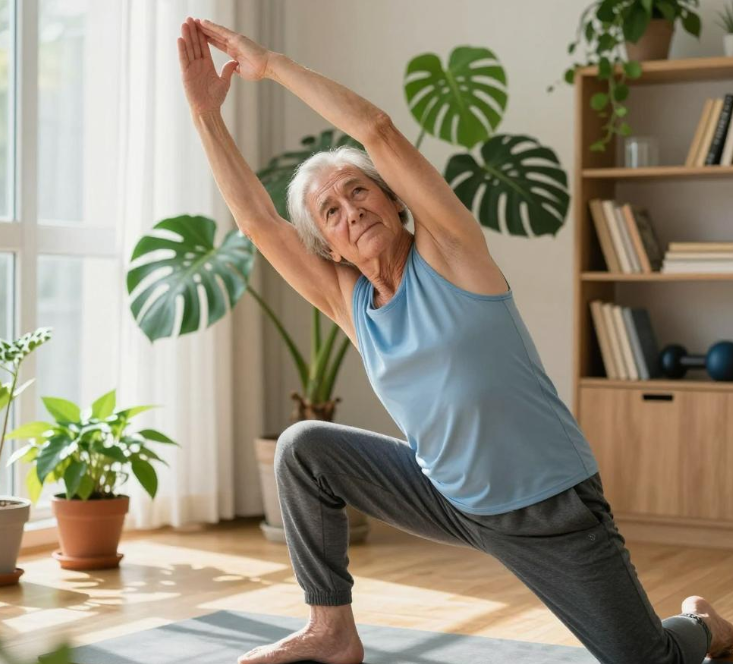
Flexibility and Mobility Work
While strength and cardio are often the focus, flexibility and mobility should not be overlooked. Incorporating stretching routines or yoga poses into a home workout can help prevent injuries and improve range of motion. Dynamic stretches before a workout and static stretches afterward can make a noticeable difference in how the body feels throughout the day. A simple routine like the cat-cow stretch or downward dog can serve as an effective warm-up or cool-down.
Creating a Sustainable Routine
Consistency is the most critical factor in achieving long-term fitness goals. Designing a home workout plan that aligns with personal preferences and lifestyle can significantly boost adherence. For example, someone who enjoys morning routines might benefit from a short, high-energy workout, while another person may prefer a longer, more relaxed session in the evening. The goal is to find a balance that supports both physical and mental well-being.
Conclusion
Home workouts offer a flexible and accessible way to stay active, regardless of location or resources. By focusing on functional movements, cardiovascular efficiency, and strength training, individuals can create a comprehensive fitness routine that suits their needs. With the right mindset and commitment, exercising at home can be just as rewarding—and sometimes even more convenient—than visiting a traditional gym.
Disclaimer:
1. This article is sourced from the Internet. All content represents the author's personal views only and does not reflect the stance of this website. The author shall be solely responsible for the content.
2. Part of the content on this website is compiled from the Internet. This website shall not be liable for any civil disputes, administrative penalties, or other losses arising from improper reprinting or citation.
3. If there is any infringing content or inappropriate material, please contact us to remove it immediately. Contact us at:
