
Unity in Strength Training
In today’s fast-paced and highly competitive world, the concept of "unity in strength training" has emerged as a powerful paradigm that not only enhances physical performance but also fosters deeper connections among individuals working toward common goals. This approach transcends traditional fitness methodologies by emphasizing collaboration, shared purpose, and mutual support, creating an environment where collective growth becomes the driving force.
The Power of Collective Effort
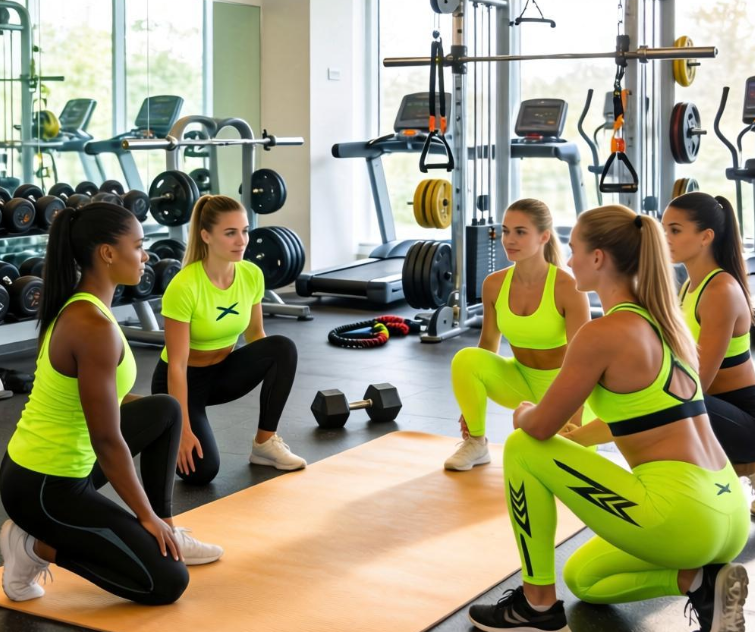
Strength training is often perceived as an individual pursuit, focused on personal milestones and self-improvement. However, when viewed through the lens of unity, it transforms into a dynamic group activity that leverages the strengths of each participant. In team-based settings—whether in professional sports, corporate wellness programs, or community fitness initiatives—the success of one member directly influences the morale and progress of the entire group. This interdependence fosters a sense of accountability and motivation that is difficult to achieve in isolation.
Consider a collegiate athletic team where players train together under the guidance of a coach who emphasizes both individual development and team cohesion. The result is not just stronger athletes but a more resilient and unified team capable of overcoming challenges both on and off the field. This synergy is what makes "unity in strength training" more than just a phrase—it becomes a philosophy that shapes behavior and outcomes.
Building Trust Through Shared Challenges
One of the most significant benefits of this approach is the cultivation of trust. When individuals push themselves alongside others, they witness firsthand the dedication and perseverance of their peers. This visibility builds a foundation of respect and camaraderie that can be invaluable in high-stress environments. Whether it's lifting heavy weights or enduring long endurance sessions, the shared struggle becomes a bonding experience.
For instance, in a corporate wellness program, employees who participate in group strength training sessions often report feeling more connected to their colleagues. These interactions extend beyond the gym, influencing workplace dynamics and fostering a culture of mutual support. The physical act of training together becomes a metaphor for working together—each rep and set reinforcing the idea that success is not just personal but collective.

Enhancing Motivation Through Social Influence
Human beings are inherently social creatures, and our behaviors are often shaped by the actions of those around us. In the context of strength training, this social influence can be harnessed to boost motivation. When individuals see others making progress, it creates a ripple effect that encourages everyone to strive harder. This phenomenon is particularly evident in group classes or training circles where participants regularly celebrate small victories.
Imagine a fitness class where members track their progress collectively. As one person achieves a new personal best, the energy in the room shifts. Others are inspired to push further, not out of competition, but out of a genuine desire to contribute to the group's success. This kind of environment turns routine workouts into meaningful experiences that go beyond physical fitness.
Practical Applications and Real-World Impact
The principles of unity in strength training are not confined to elite athletes or specialized programs. They can be applied in various settings, from local gyms to home-based routines. For example, a community center might organize weekly strength training sessions where participants are encouraged to support and challenge one another. The result is a more engaged and motivated group, with individuals leaving not only physically stronger but also mentally and emotionally uplifted.
Moreover, the concept aligns well with modern trends in fitness that emphasize holistic well-being. By integrating mental resilience, emotional support, and physical development, unity in strength training offers a comprehensive approach to health that resonates with a wide audience.
Conclusion
In essence, "unity in strength training" represents a shift from isolated efforts to collaborative growth. It recognizes that strength is not solely a matter of physical capability but also of emotional and social connection. As more individuals and organizations embrace this philosophy, the potential for transformation becomes limitless. Whether in sports, business, or everyday life, the power of working together to build strength is undeniable—and increasingly relevant in our interconnected world.
Disclaimer:
1. This article is sourced from the Internet. All content represents the author's personal views only and does not reflect the stance of this website. The author shall be solely responsible for the content.
2. Part of the content on this website is compiled from the Internet. This website shall not be liable for any civil disputes, administrative penalties, or other losses arising from improper reprinting or citation.
3. If there is any infringing content or inappropriate material, please contact us to remove it immediately. Contact us at:
