
The Power of Strength Training for the Glutes
Strength training for the glutes is more than just a fitness trend—it’s a fundamental component of overall physical health, functional movement, and aesthetic development. Whether you're an athlete looking to improve performance or someone aiming to enhance body shape, building strong glutes can make a significant difference in your daily life and long-term wellness.
Why the Glutes Matter
The gluteal muscles, often referred to as the "powerhouse" of the body, play a crucial role in maintaining posture, stabilizing the pelvis, and generating force during movements like walking, running, and lifting. Weak glutes can lead to imbalances that affect the lower back, hips, and knees, increasing the risk of injury. Strengthening these muscles not only improves athletic performance but also supports better alignment and reduces chronic pain.
Consider a runner who experiences knee discomfort—often, the root cause lies in underactive glutes. When the glutes aren’t firing properly, the hamstrings and quads compensate, leading to overuse and strain. By incorporating targeted strength training, this individual can restore balance and prevent future issues.
Effective Glute-Targeted Exercises
There are numerous exercises designed specifically to engage and develop the gluteal muscles. Compound movements such as squats, deadlifts, and lunges naturally activate the glutes, while isolation exercises like hip thrusts and glute bridges provide focused stimulation. Each of these movements offers unique benefits depending on the individual's goals and fitness level.
For example, the hip thrust is particularly effective for hypertrophy, making it a favorite among those seeking a more rounded and defined posterior. Meanwhile, the Bulgarian split squat challenges stability and engages the glutes in a way that enhances functional strength. The key is consistency and proper form—no amount of repetition will compensate for poor technique.
Progressive Overload and Mind-Muscle Connection
One of the most overlooked aspects of glute training is the importance of progressive overload. This means gradually increasing the intensity, volume, or complexity of exercises over time to ensure continuous muscle growth. Without this, progress can stall, and results may be difficult to achieve.
Equally important is the mind-muscle connection—the ability to consciously engage the glutes during each rep. Many people go through the motions without truly activating the target muscles, which limits effectiveness. Practicing mindfulness during workouts, focusing on the contraction and release of the glutes, can significantly enhance outcomes.
Real-World Applications and Benefits
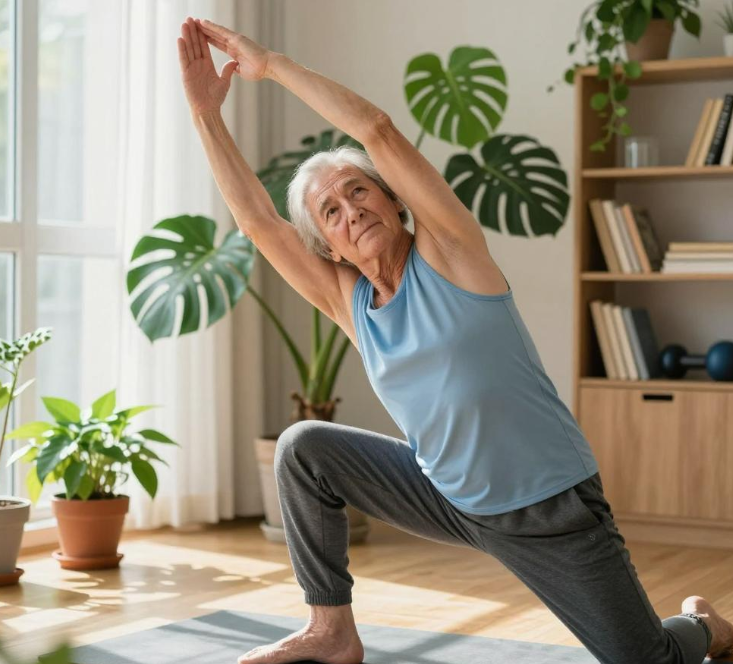
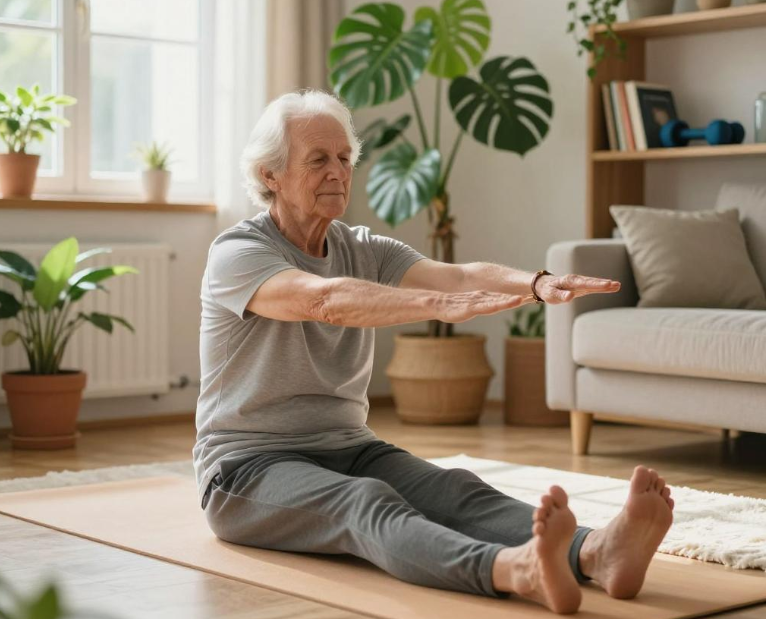
Beyond aesthetics, strong glutes contribute to everyday functionality. Think about climbing stairs, carrying groceries, or even sitting comfortably for extended periods. All of these activities rely on well-developed gluteal muscles. For older adults, maintaining glute strength is especially vital for fall prevention and mobility.
In sports, athletes with powerful glutes often demonstrate superior speed, power, and agility. Sprinters, jumpers, and weightlifters benefit immensely from a strong posterior chain. Even non-athletes can experience improved energy levels and reduced fatigue throughout the day.
Common Mistakes to Avoid
While strength training for the glutes is highly beneficial, there are common pitfalls that many people encounter. One is neglecting warm-up routines, which can lead to strains or improper activation. Another is using excessive weight too soon, which can compromise form and increase injury risk.
Additionally, some individuals focus solely on one type of exercise, missing out on the full range of benefits that a balanced routine provides. A well-rounded program should include both compound and isolation movements, as well as variety to keep the muscles engaged and challenged.
Conclusion
In summary, strength training for the glutes is a powerful strategy for improving physical performance, preventing injuries, and achieving a stronger, more balanced body. Whether you're new to fitness or an experienced lifter, prioritizing glute development can yield transformative results. With the right approach—focusing on proper form, progressive overload, and mindful engagement—you can unlock the full potential of your gluteal muscles and enjoy the many benefits they bring.
Disclaimer:
1. This article is sourced from the Internet. All content represents the author's personal views only and does not reflect the stance of this website. The author shall be solely responsible for the content.
2. Part of the content on this website is compiled from the Internet. This website shall not be liable for any civil disputes, administrative penalties, or other losses arising from improper reprinting or citation.
3. If there is any infringing content or inappropriate material, please contact us to remove it immediately. Contact us at:
