
How Long Should You Wait Before Taking a Shower After Working Out
After a rigorous session at the gym, many people instinctively reach for the shower. However, the timing of this post-workout ritual can significantly impact your body’s recovery and overall well-being. While there is no one-size-fits-all answer, understanding the physiological processes that occur after exercise can help you make an informed decision about when to wash up.
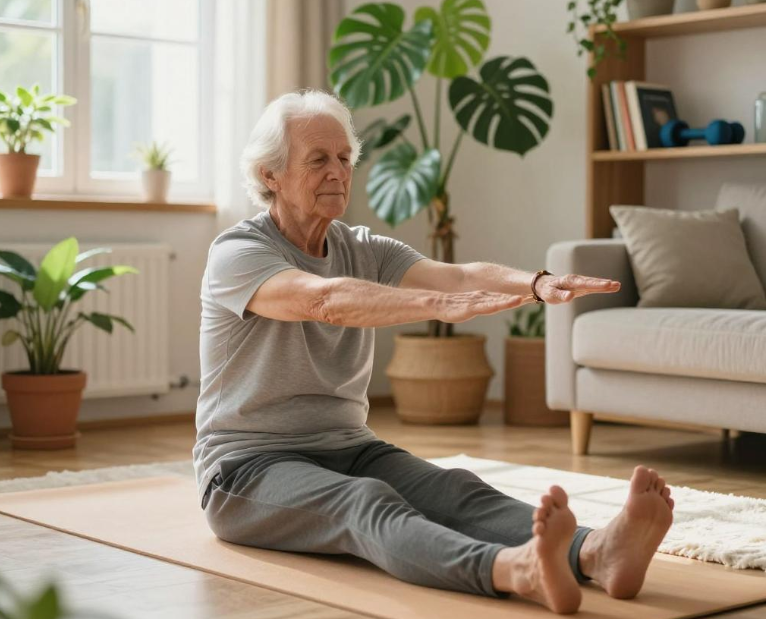
The Science Behind Post-Workout Recovery
When you finish a workout, your body undergoes several changes. Your heart rate increases, blood vessels dilate, and your muscles generate heat. These responses are part of the body’s natural way of managing physical exertion. As you cool down, your cardiovascular system gradually returns to its resting state, and your body begins to regulate its internal temperature.
Showering immediately after a hard workout can interfere with this process. Cold water, in particular, may cause your blood vessels to constrict, potentially slowing the removal of metabolic waste products from your muscles. This could lead to increased soreness and delayed recovery. On the other hand, a warm shower can help relax muscles and promote circulation, but timing is key.
Why Waiting Is Beneficial
Allowing your body a few minutes to cool down before showering can offer several advantages. During this time, your heart rate decreases, and your body has a chance to stabilize. This period also gives your muscles a chance to recover slightly, reducing the risk of cramps or stiffness later on.
Imagine coming out of a sprint session, drenched in sweat, and rushing straight into a cold shower. It might feel refreshing, but it could also shock your system. A better approach is to take a few minutes to walk, stretch, or simply sit and breathe deeply. This not only helps your body transition more smoothly but also allows you to mentally reset and reflect on your performance.

Practical Recommendations for Optimal Timing
While there's no strict rule, most fitness experts suggest waiting anywhere from 10 to 30 minutes after your workout before taking a shower. This window provides enough time for your body to return to a more balanced state. If you're engaging in high-intensity training, such as weightlifting or interval sprints, waiting a bit longer—perhaps 20 to 30 minutes—can be especially beneficial.
For those who prefer a quick rinse, a lukewarm shower right after finishing your session might still be acceptable, provided you don’t stay under the water for too long. However, if you’re aiming for maximum recovery, consider delaying the shower until your body has had time to settle.
Real-World Scenarios and Personal Insights
In my own experience, I’ve noticed that taking a short break after a tough workout makes a noticeable difference. Whether it’s a few minutes of light walking or just sitting quietly, this pause allows me to feel more grounded before moving on to the next activity. It also helps me avoid the jarring effect of a sudden temperature change, which can sometimes leave me feeling sluggish.
Another scenario involves athletes who train multiple times a day. For them, timing showers becomes even more critical. Some choose to take a quick shower between sessions to maintain hygiene without disrupting their recovery. Others opt for a more structured approach, using the downtime to hydrate, refuel, and prepare their bodies for the next round.
Conclusion
The ideal time to take a shower after working out depends on various factors, including the intensity of your session, your personal comfort level, and your overall health goals. While there’s no universal standard, allowing your body a brief cooldown period before showering can support better recovery and reduce the risk of discomfort. By being mindful of your body’s signals and adjusting your routine accordingly, you can enhance both your physical and mental well-being.
Disclaimer:
1. This article is sourced from the Internet. All content represents the author's personal views only and does not reflect the stance of this website. The author shall be solely responsible for the content.
2. Part of the content on this website is compiled from the Internet. This website shall not be liable for any civil disputes, administrative penalties, or other losses arising from improper reprinting or citation.
3. If there is any infringing content or inappropriate material, please contact us to remove it immediately. Contact us at:
