
Posture Correction Yoga Guide
In today's fast-paced world, many individuals suffer from poor posture due to prolonged sitting, repetitive movements, and lack of physical activity. Fortunately, posture correction yoga offers a powerful, holistic approach to realign the body, improve mobility, and enhance overall well-being. This guide provides an in-depth exploration of how specific yoga practices can address common postural imbalances and promote long-term physical health.
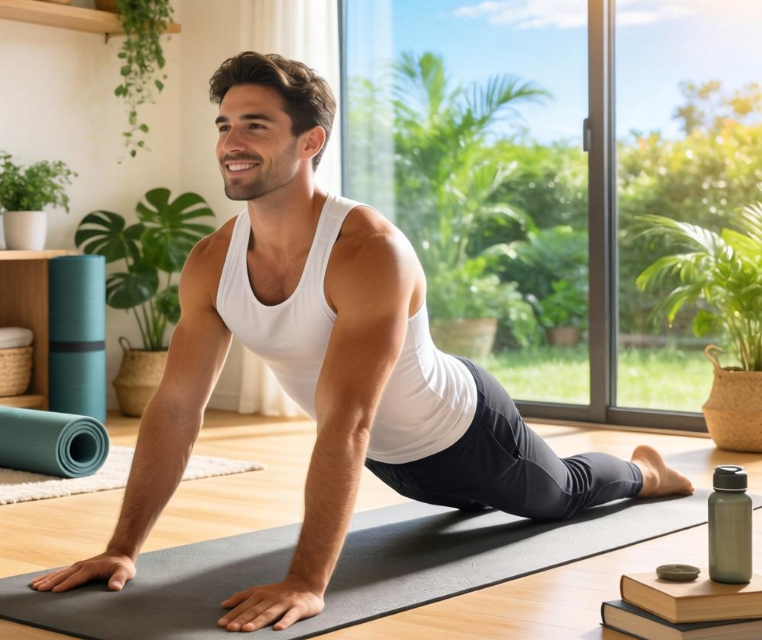
Understanding Postural Imbalances
Poor posture is more than just a matter of appearance; it can lead to chronic pain, reduced flexibility, and even impact internal organ function. Common issues include forward head posture, rounded shoulders, and an exaggerated lower back curve. These misalignments often result from daily habits such as hunching over devices or slouching while working. Yoga, with its focus on mindful movement and body awareness, serves as an effective tool for correcting these patterns.
Key Yoga Practices for Posture Correction
Several yoga poses are particularly beneficial for realigning the spine and strengthening the muscles that support proper posture. The Mountain Pose (Tadasana) is foundational, teaching practitioners to stand tall with a neutral spine and engaged core. The Cat-Cow stretch (Marjaryasana-Bitilasana) helps to mobilize the spine and relieve tension in the upper back. Meanwhile, the Downward-Facing Dog (Adho Mukha Svanasana) stretches the hamstrings and lengthens the spine, promoting better alignment.
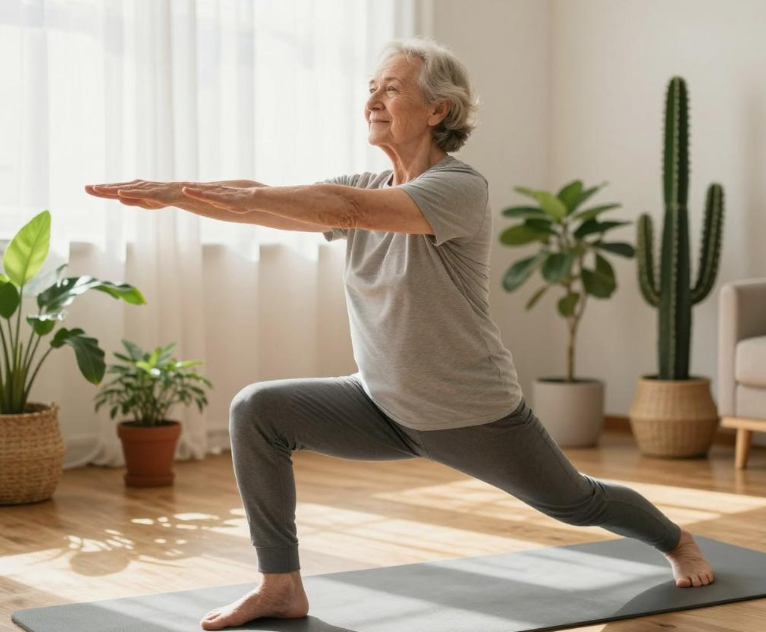
The Role of Breath and Mindfulness
Yoga is not just about physical postures—it also emphasizes the connection between breath and movement. Proper breathing techniques, such as diaphragmatic breathing, help stabilize the core and improve posture by engaging the deep stabilizing muscles. Additionally, mindfulness during practice encourages greater body awareness, making it easier to identify and correct habitual postural errors throughout the day.
Personalized Practice and Consistency
While general guidelines provide a solid starting point, individual needs vary. A personalized approach may involve consulting a certified yoga instructor who can tailor sequences to address specific concerns. Consistency is key; regular practice—ideally daily—can yield significant improvements over time. Even short sessions of 15–20 minutes can contribute to gradual postural changes.
Integrating Posture Correction into Daily Life
Beyond the mat, incorporating posture-aware habits into everyday routines enhances the effectiveness of yoga practice. Simple adjustments such as using ergonomic furniture, taking frequent breaks from sitting, and practicing good sleeping positions can complement the benefits of yoga. Over time, these small but intentional choices create a sustainable foundation for long-term postural health.
Conclusion
Posture correction yoga is more than a series of exercises—it is a comprehensive practice that nurtures both body and mind. By combining physical alignment with breath control and mindful awareness, individuals can reclaim their natural posture and experience improved comfort, mobility, and confidence. Whether you are new to yoga or have been practicing for years, integrating these principles into your routine can lead to lasting transformation.
Disclaimer:
1. This article is sourced from the Internet. All content represents the author's personal views only and does not reflect the stance of this website. The author shall be solely responsible for the content.
2. Part of the content on this website is compiled from the Internet. This website shall not be liable for any civil disputes, administrative penalties, or other losses arising from improper reprinting or citation.
3. If there is any infringing content or inappropriate material, please contact us to remove it immediately. Contact us at:
