
What Are the Common Courses for Beginners in Fitness Training?
For those stepping into the world of fitness, the array of available programs can feel overwhelming. However, a well-structured beginner’s course can serve as a solid foundation, helping newcomers build strength, improve endurance, and develop healthy habits. Whether aiming to lose weight, gain muscle, or simply lead a more active life, understanding the key components of these courses is essential.
Understanding the Foundation of Beginner Fitness Programs
Beginner fitness programs are designed with simplicity and safety in mind. They typically focus on building a strong base of physical literacy—covering fundamental movements like squats, lunges, push-ups, and planks. These exercises help improve posture, balance, and coordination, which are crucial for long-term progress. Many programs also incorporate low-impact cardio activities such as walking, cycling, or swimming, allowing new participants to gradually increase their stamina without overexertion.
One notable aspect of these courses is the emphasis on proper form and technique. Instructors often spend significant time ensuring that each movement is performed correctly, reducing the risk of injury and maximizing effectiveness. This attention to detail makes a big difference, especially for individuals who may have no prior experience with structured exercise.
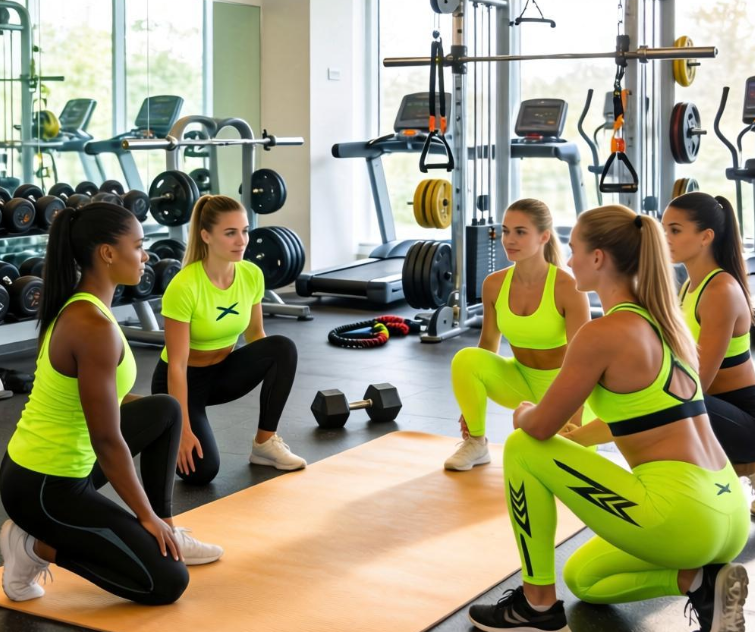
Diverse Formats and Settings for Learning
Beginner fitness courses come in various formats, each catering to different preferences and lifestyles. Group classes, for instance, offer a social and motivating environment where participants can learn from peers and follow along with an instructor. These classes often include a mix of strength training, flexibility work, and cardiovascular elements, making them a comprehensive option for those looking to get started quickly.
On the other hand, individualized programs provide a more personalized approach. These may be offered through personal trainers or online platforms, allowing users to tailor their routines based on specific goals, schedules, and fitness levels. The flexibility of such options can be particularly appealing to those with busy lives or unique needs.
The Role of Technology in Modern Fitness Education
In recent years, technology has played a growing role in how beginners access fitness education. Mobile apps, video tutorials, and virtual coaching sessions have made it easier than ever to engage with fitness content from the comfort of home. Many platforms now offer guided beginner courses that walk users through basic exercises, track progress, and even provide nutritional advice.
This digital shift has not only expanded accessibility but also introduced new ways to stay motivated. Gamification elements, such as achievement badges and progress charts, encourage consistency and make the learning process more engaging. For many, this blend of technology and traditional fitness methods offers a powerful way to begin their journey.

Real-World Applications and Long-Term Benefits
The real value of a beginner’s fitness course lies in its ability to set the stage for sustainable health improvements. By starting with manageable challenges and gradually increasing intensity, individuals can build confidence and avoid burnout. Over time, these foundational skills can translate into better performance in more advanced workouts, whether at a gym, on a trail, or in a home setting.
Moreover, the habits developed during these early stages—such as consistent exercise routines, mindful eating, and adequate rest—can have lasting impacts on overall well-being. A well-designed beginner program does more than teach how to move; it fosters a mindset that supports lifelong health.
Conclusion
For anyone new to the fitness world, choosing the right course is a critical first step. From structured group classes to self-paced online programs, there are numerous options to suit different goals and lifestyles. What matters most is finding a program that prioritizes safety, builds essential skills, and encourages long-term commitment. With the right guidance, the journey from novice to active participant can be both rewarding and transformative.
Disclaimer:
1. This article is sourced from the Internet. All content represents the author's personal views only and does not reflect the stance of this website. The author shall be solely responsible for the content.
2. Part of the content on this website is compiled from the Internet. This website shall not be liable for any civil disputes, administrative penalties, or other losses arising from improper reprinting or citation.
3. If there is any infringing content or inappropriate material, please contact us to remove it immediately. Contact us at:
