
Recommended Strength Training for Pregnant Women
Pregnancy is a transformative period that requires careful attention to physical health, and strength training can play a vital role in supporting both the mother’s well-being and the development of the baby. When approached with care and guidance, strength exercises tailored for pregnancy can enhance energy levels, improve posture, reduce common discomforts, and prepare the body for labor and postpartum recovery. However, it is essential to adapt workouts to the changing needs of the body throughout each trimester.
Understanding the Benefits of Pregnancy-Focused Strength Training
Strength training during pregnancy offers more than just muscle building—it contributes to overall physical resilience. For instance, maintaining core strength can alleviate back pain, which is a common issue as the body adjusts to the growing uterus. Additionally, targeted exercises can help manage gestational diabetes by improving insulin sensitivity. The key is to focus on low-impact, controlled movements that avoid excessive strain on the joints and abdominal region.
A real-world example might involve a woman in her second trimester who incorporates resistance bands into her routine. These tools provide gentle resistance without putting undue pressure on the spine or pelvic floor, making them an excellent option for many expectant mothers. This kind of exercise not only strengthens muscles but also promotes better circulation and flexibility.
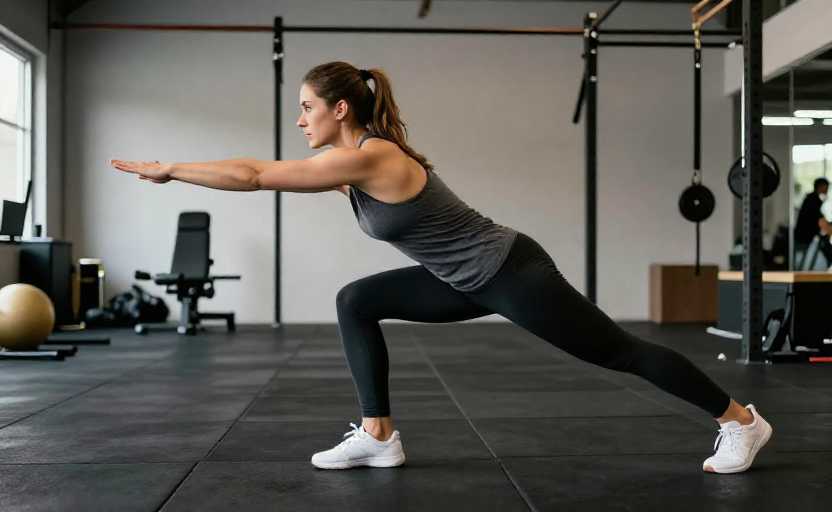
Adapting Exercises for Each Trimester
The first trimester is often marked by fatigue and nausea, so it's important to start slowly and prioritize comfort. Light resistance training with a focus on posture and breathing can be particularly beneficial. As the body progresses into the second trimester, the emphasis shifts toward maintaining balance and supporting the increased weight of the growing baby. At this stage, exercises like squats and wall push-ups become more practical and effective.
By the third trimester, many women may find certain movements uncomfortable, especially those involving lying flat on their back. In such cases, switching to seated or standing exercises—such as leg lifts or modified planks—can maintain strength without compromising safety. It’s also a good time to introduce pelvic floor exercises, which are crucial for preparing the body for childbirth.
Safety Considerations and Professional Guidance
Safety should always be the top priority when engaging in any form of exercise during pregnancy. A certified prenatal fitness instructor or healthcare provider can offer personalized recommendations based on individual health conditions and fitness levels. It’s also wise to avoid high-intensity workouts, heavy lifting, and exercises that involve sudden movements or potential falls.
For example, a woman with a history of preterm labor may need to avoid certain types of strength training altogether. On the other hand, someone with a healthy, low-risk pregnancy might benefit from a more structured program that includes progressive resistance and functional movements. Listening to one’s body and adjusting intensity accordingly is a hallmark of safe and effective prenatal exercise.

Integrating Strength Training into Daily Life
Incorporating strength training into daily routines doesn’t have to be time-consuming or complicated. Short, focused sessions of 20 to 30 minutes, done several times a week, can yield significant benefits. Simple activities like carrying groceries, climbing stairs, or even doing household chores can serve as forms of light resistance training.
Moreover, combining strength work with mindfulness practices such as yoga or deep breathing can enhance the overall experience. This holistic approach not only supports physical health but also promotes mental well-being, helping pregnant women feel more connected to their bodies and their journey.
Conclusion
Strength training during pregnancy is not only safe but also highly beneficial when done with proper guidance and awareness. By tailoring exercises to the unique needs of each trimester and prioritizing comfort and safety, expectant mothers can maintain strength, improve posture, and build confidence in their bodies. Whether through resistance bands, bodyweight exercises, or guided classes, the goal is to create a sustainable and enjoyable routine that supports both maternal and fetal health. With the right approach, strength training becomes a powerful tool in the journey of pregnancy.
Disclaimer:
1. This article is sourced from the Internet. All content represents the author's personal views only and does not reflect the stance of this website. The author shall be solely responsible for the content.
2. Part of the content on this website is compiled from the Internet. This website shall not be liable for any civil disputes, administrative penalties, or other losses arising from improper reprinting or citation.
3. If there is any infringing content or inappropriate material, please contact us to remove it immediately. Contact us at:
