
What Are the Best Training Methods for Beginners in Fitness?
For those new to fitness, the journey can feel overwhelming, but with the right approach, it becomes a rewarding and sustainable path. Whether your goal is to improve health, build strength, or simply feel more energetic, starting with the correct methods ensures long-term success. The key lies in understanding foundational principles, gradually building intensity, and maintaining consistency.
Understanding the Foundation of Beginner Fitness
At its core, beginner fitness revolves around establishing a solid base. This means focusing on body awareness, proper form, and low-impact movements that minimize the risk of injury. Instead of jumping into high-intensity workouts, new individuals should prioritize mastering basic exercises like squats, push-ups, and planks. These movements not only build functional strength but also help develop the muscle control necessary for more advanced routines.
Think of it as learning to walk before you run. Just as children take small steps to gain balance, beginners need to focus on stability and control. A good starting point might be a 20-minute daily routine that includes a warm-up, a few rounds of bodyweight exercises, and a cool-down stretch. This structure helps create a habit while keeping the workload manageable.
Building a Balanced Routine
A well-rounded beginner’s workout plan should include elements of cardiovascular exercise, strength training, and flexibility work. Cardiovascular activities such as walking, cycling, or swimming are excellent for improving heart health and endurance. Strength training, even with body weight, helps increase muscle tone and metabolic rate. Meanwhile, stretching and mobility drills prevent stiffness and enhance overall movement quality.
Consider a weekly schedule that alternates between different types of activity. For example, one day could focus on cardio, another on strength, and a third on yoga or Pilates. This variety keeps the routine engaging and prevents burnout. It also ensures that all aspects of physical fitness are addressed, leading to more balanced development.
Choosing the Right Tools and Environment
While many beginners start with just their body weight, incorporating simple equipment like resistance bands, dumbbells, or a jump rope can add variety and challenge. These tools allow for progressive overload, which is essential for continued improvement. However, it's important to use them correctly—beginning with lighter resistance and gradually increasing as strength improves.
The environment also plays a role in motivation and performance. Whether working out at home, in a gym, or outdoors, creating a dedicated space can help establish a routine. Even a small corner with a mat and a few weights can serve as an effective training area. Consistency often comes down to convenience and comfort, so finding a setup that works for you is crucial.
Listening to Your Body and Adjusting as Needed
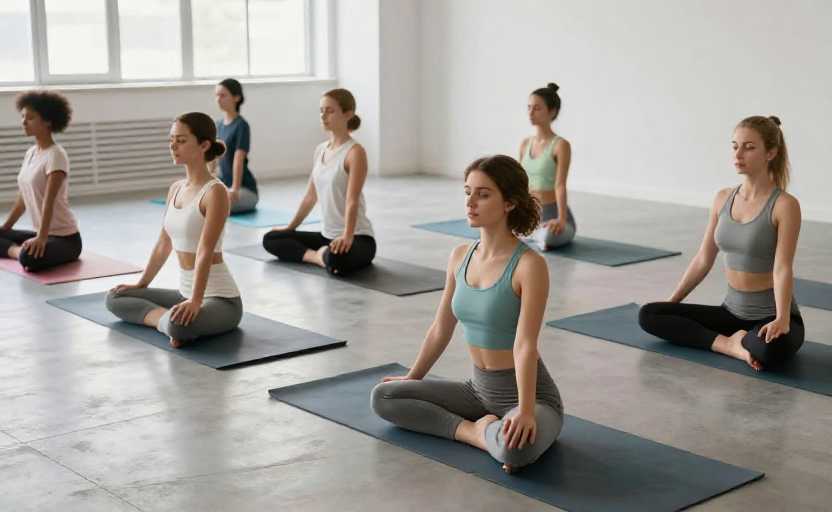
One of the most overlooked aspects of beginner fitness is the importance of listening to your body. Every individual has a different starting point, and what works for one person may not suit another. Pay attention to how your body feels after each session. If certain movements cause pain or discomfort, it’s a sign to adjust the intensity or technique.
This is where personalization becomes key. Some may benefit from following structured programs, while others thrive with a more self-directed approach. The goal is to find a method that aligns with your lifestyle, preferences, and physical condition. Remember, progress is not linear, and setbacks are part of the process.
Embracing the Journey with Patience and Persistence
Fitness is not about quick fixes; it’s about gradual, consistent growth. For beginners, the initial weeks might seem slow, but these early stages lay the groundwork for future achievements. Celebrate small victories, whether it’s completing a full workout or noticing improved posture. These moments reinforce motivation and build confidence.
It’s also helpful to track progress, whether through a journal, app, or photos. Observing changes over time provides tangible evidence of effort and helps maintain focus. Most importantly, remember that the journey itself is valuable. The habits formed in the beginning often lead to lifelong benefits, both physically and mentally.
In summary, the best training methods for beginners involve starting with the basics, building a balanced routine, using appropriate tools, and staying attuned to personal needs. By taking a thoughtful, patient approach, anyone can begin their fitness journey with confidence and clarity.
Disclaimer:
1. This article is sourced from the Internet. All content represents the author's personal views only and does not reflect the stance of this website. The author shall be solely responsible for the content.
2. Part of the content on this website is compiled from the Internet. This website shall not be liable for any civil disputes, administrative penalties, or other losses arising from improper reprinting or citation.
3. If there is any infringing content or inappropriate material, please contact us to remove it immediately. Contact us at:
