
Eat Before or After Strength Training: What’s Best?
The optimal timing of meals around strength training is a topic that has sparked considerable debate among athletes, fitness enthusiasts, and health professionals. While there is no one-size-fits-all answer, understanding the physiological responses of the body during and after exercise can help guide more informed decisions. Ultimately, the best approach depends on individual goals, preferences, and how the body reacts to different feeding strategies.
Understanding the Body’s Needs During Exercise
Strength training is a physically demanding activity that places significant stress on the body. Muscles require energy to perform work, and the body relies on stored glycogen and blood glucose for fuel. When you train on an empty stomach, the body may begin to break down muscle tissue for energy, which is counterproductive if the goal is to build or maintain lean mass. On the other hand, eating too close to a workout can lead to discomfort, sluggishness, or even nausea, as the digestive system competes with the muscles for blood flow.
This creates a delicate balance. The key lies in finding the right window between pre-workout nutrition and post-workout recovery. For many, this means consuming a small, easily digestible meal or snack 30 to 60 minutes before training. A combination of carbohydrates and a moderate amount of protein can provide sustained energy without causing gastrointestinal distress.
The Post-Workout Window: A Critical Opportunity
After completing a strength session, the body enters a state of heightened metabolic activity. This period, often referred to as the "anabolic window," is considered a prime time for nutrient absorption. Consuming a balanced meal or shake within 30 to 60 minutes post-exercise can enhance muscle repair, reduce soreness, and support overall recovery.
Research suggests that protein intake following resistance training plays a crucial role in muscle protein synthesis. Pairing this with carbohydrates helps replenish glycogen stores and promote a favorable hormonal environment for growth. However, it's important to note that while the anabolic window is significant, the total daily intake of protein and calories remains the most critical factor in long-term progress.

Individual Variability and Practical Considerations
Not everyone responds the same way to pre- or post-workout nutrition. Some individuals may feel energized and focused when they eat before training, while others might experience bloating or sluggishness. Similarly, some people thrive on a post-workout meal, while others prefer to wait until their next regular meal.
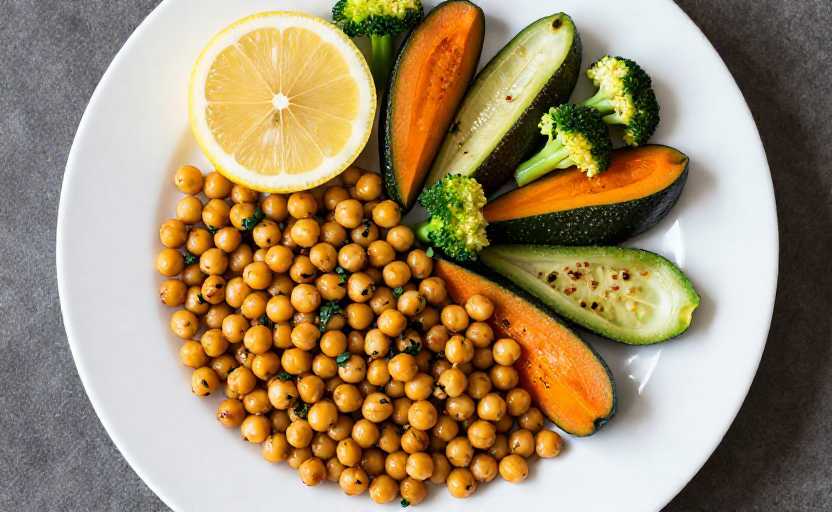
For those who train early in the morning, a light snack like a banana with peanut butter or a protein shake can be an effective way to kickstart metabolism without feeling overly full. Conversely, someone who trains later in the day might benefit from a more substantial meal, such as grilled chicken with quinoa and vegetables, to sustain energy levels throughout the session.
Real-World Scenarios and Personal Insights
Consider the case of a competitive powerlifter preparing for a meet. They may prioritize a well-timed pre-workout meal to ensure they have enough energy for heavy lifts. In contrast, a busy professional who fits in a quick gym session during lunch might find that eating after training allows them to return to work more efficiently.
From my own experience working with clients, I’ve seen how personalized approaches yield better results. One client found that eating a small meal before training helped her push through tough sets, while another preferred to fast until after her workout, citing improved focus and digestion. These variations highlight the importance of experimentation and self-awareness.
Conclusion
In the end, the decision to eat before or after strength training should be based on personal physiology, goals, and lifestyle. There is no universal rule, but by paying attention to how the body feels and performs, individuals can develop a strategy that supports their fitness journey. Whether you choose to fuel up before or refuel afterward, the most important thing is consistency, balance, and listening to your body’s signals.
Disclaimer:
1. This article is sourced from the Internet. All content represents the author's personal views only and does not reflect the stance of this website. The author shall be solely responsible for the content.
2. Part of the content on this website is compiled from the Internet. This website shall not be liable for any civil disputes, administrative penalties, or other losses arising from improper reprinting or citation.
3. If there is any infringing content or inappropriate material, please contact us to remove it immediately. Contact us at:
