
Should You Wear Loose or Tight Clothing During Strength Training?
The choice between loose and tight clothing during strength training is not just a matter of personal preference—it can significantly impact performance, comfort, and even safety. While there is no one-size-fits-all answer, understanding the functional differences between these two types of attire can help individuals make informed decisions that align with their goals and environment.

Understanding the Functional Differences
Loose clothing often provides greater freedom of movement, which can be beneficial for exercises requiring a wide range of motion, such as squats or overhead presses. It also allows for better airflow, which may help regulate body temperature during intense sessions. However, the looseness can sometimes lead to distractions, especially if the fabric shifts or restricts visibility of form. In contrast, tight clothing—such as compression gear or fitted shorts—offers a snug fit that can enhance proprioception, helping lifters maintain better control over their movements. This type of attire is particularly popular among athletes who prioritize precision and stability in their training.
Performance Considerations
For those focused on maximizing strength gains, the fit of clothing can play a subtle but meaningful role. Compression wear has been shown in some studies to improve blood circulation and reduce muscle oscillation, potentially leading to improved endurance and reduced fatigue. On the other hand, loose clothing might be more suitable for beginners or individuals working on mobility and flexibility, as it allows for a more relaxed approach without the pressure of a restrictive fit. The key is to match the clothing to the specific demands of the workout.
Comfort and Safety Factors
Safety should always be a top priority when engaging in strength training. Tight clothing can sometimes cause chafing or discomfort, especially during long sessions or in hot environments. Conversely, overly loose garments may pose a risk if they get caught on equipment or hinder proper form. For example, a baggy shirt could accidentally catch on a barbell during a deadlift, leading to an injury. Therefore, it’s important to choose attire that balances comfort with practicality, ensuring that it supports rather than hinders the training experience.
Practical Scenarios and Real-World Insights
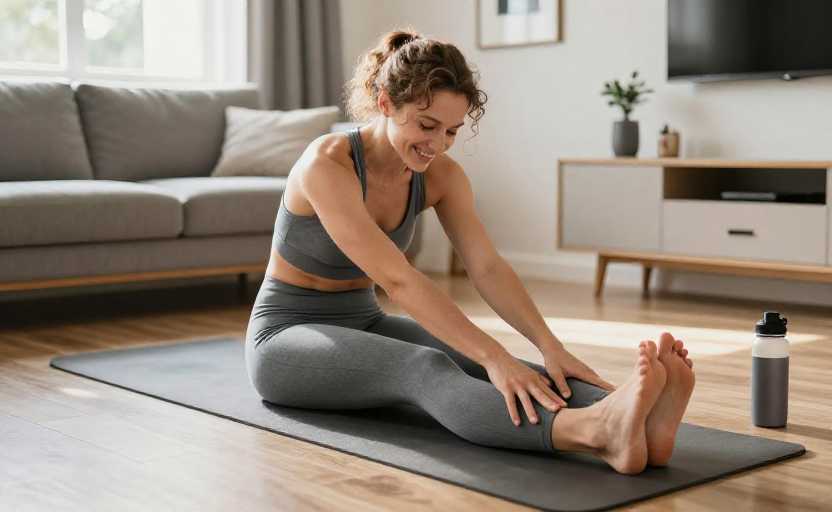
In a commercial gym setting, where space and equipment are shared, many lifters opt for breathable, well-fitted clothing that doesn’t interfere with others. A pair of moisture-wicking leggings or a compression t-shirt can offer both functionality and a professional appearance. In contrast, home workouts or specialized training environments might allow for more flexibility in clothing choices. For instance, someone practicing powerlifting at home might prefer a looser fit to avoid any restrictions during heavy lifts, while a CrossFit participant may lean toward tighter gear for better support and visibility during dynamic movements.
Final Thoughts
Ultimately, the decision to wear loose or tight clothing during strength training depends on individual needs, training style, and environmental factors. There is no universal standard, but by considering how each option affects movement, comfort, and safety, individuals can make choices that enhance their overall experience. Whether you're a seasoned athlete or just starting out, finding the right balance between function and personal preference will go a long way in supporting your fitness journey.
Disclaimer:
1. This article is sourced from the Internet. All content represents the author's personal views only and does not reflect the stance of this website. The author shall be solely responsible for the content.
2. Part of the content on this website is compiled from the Internet. This website shall not be liable for any civil disputes, administrative penalties, or other losses arising from improper reprinting or citation.
3. If there is any infringing content or inappropriate material, please contact us to remove it immediately. Contact us at:
