
Can Strength Training Combined with Dietary Control Help Reduce Body Fat?
The short answer is yes—strength training combined with dietary control can effectively reduce body fat. While the idea of losing weight often centers around cardio and calorie restriction, integrating strength training into a fat-loss strategy offers unique advantages that support long-term success and overall health.
The Science Behind Fat Loss and Muscle Retention
When it comes to reducing body fat, the primary goal is to create a caloric deficit, meaning you burn more calories than you consume. However, simply cutting calories without considering muscle mass can lead to a loss of lean tissue, which in turn slows down metabolism. This is where strength training becomes essential. By engaging in resistance exercises, you stimulate muscle protein synthesis, helping preserve or even build muscle while in a calorie deficit.
Think of your body as a complex system with multiple moving parts. Strength training acts like a maintenance crew, ensuring that the engine—the metabolism—runs efficiently. It's not just about burning calories during a workout; it's about keeping the metabolic engine strong and active throughout the day.
How Diet Plays a Critical Role
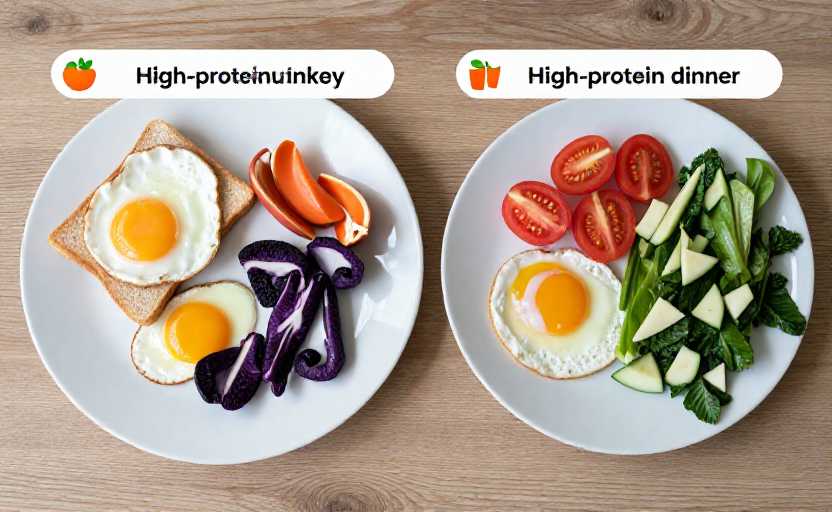
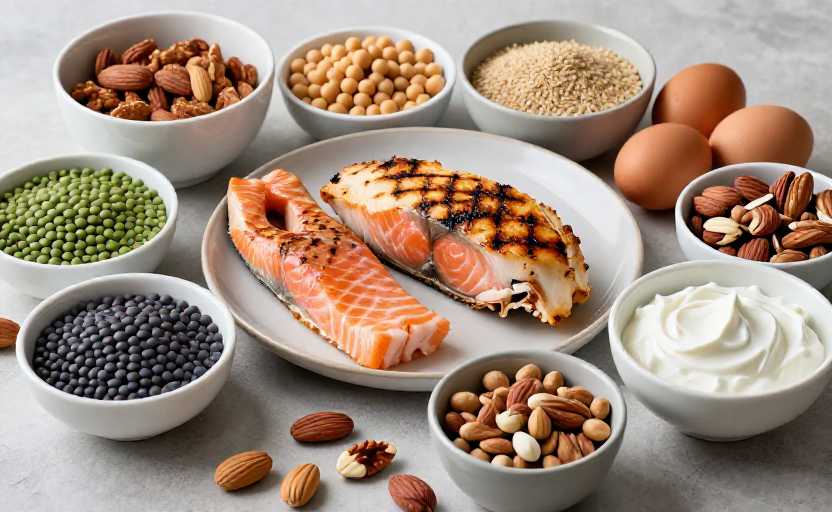
Dietary control isn't just about eating less—it's about making smarter choices. A well-structured diet that emphasizes whole foods, adequate protein, balanced macronutrients, and portion control creates the environment necessary for fat loss. Protein, in particular, is crucial because it supports muscle repair and growth, which complements the effects of strength training.
For example, someone following a high-protein, low-carb diet while lifting weights may see greater fat loss compared to someone who only cuts calories without attention to nutrient quality. The combination ensures that the body has the tools it needs to maintain lean muscle while shedding unwanted fat.
Real-World Applications and Success Stories
Many individuals have found that a program combining strength training with controlled eating leads to sustainable results. Take the case of a 35-year-old office worker who started incorporating three days of strength training per week alongside a structured meal plan. Within a few months, they noticed not only a reduction in body fat but also increased energy levels and improved mood.
This isn't an isolated story. Fitness professionals often recommend this approach because it addresses both the physiological and psychological aspects of weight management. It’s not just about looking better—it’s about feeling better and maintaining a healthier lifestyle over time.
Challenges and Considerations
Of course, there are challenges. Time constraints, inconsistent motivation, and the difficulty of tracking food intake can all hinder progress. But these obstacles are not insurmountable. With proper planning, support, and consistency, the benefits of combining strength training and dietary control can outweigh the difficulties.
It’s also important to recognize that individual responses vary. What works for one person might not work for another, and adjustments may be needed along the way. The key is to stay adaptable and focused on long-term goals rather than quick fixes.
Conclusion: A Holistic Approach to Fat Loss
In conclusion, strength training paired with dietary control is not only effective for reducing body fat but also for building a stronger, healthier body. It goes beyond the numbers on the scale and focuses on overall well-being. Whether you're aiming to lose a few pounds or transform your physique, this integrated approach provides a solid foundation for lasting results.
Disclaimer:
1. This article is sourced from the Internet. All content represents the author's personal views only and does not reflect the stance of this website. The author shall be solely responsible for the content.
2. Part of the content on this website is compiled from the Internet. This website shall not be liable for any civil disputes, administrative penalties, or other losses arising from improper reprinting or citation.
3. If there is any infringing content or inappropriate material, please contact us to remove it immediately. Contact us at:
