
Posture Adjustment Strength Training
In today’s fast-paced, sedentary lifestyle, the importance of posture adjustment strength training has never been more critical. This form of exercise not only enhances physical performance but also plays a vital role in preventing chronic pain and improving overall quality of life.
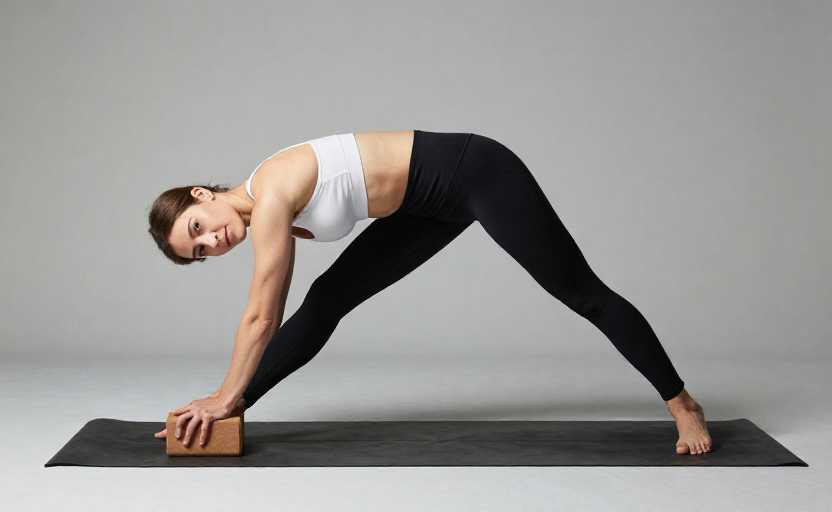
The Importance of Postural Awareness
Good posture is often overlooked, yet it serves as the foundation for all movement. Whether sitting at a desk, lifting weights, or engaging in daily activities, maintaining proper alignment can significantly reduce strain on the musculoskeletal system. Think of posture as the body’s internal compass—it guides how muscles work together and where tension tends to accumulate. Without awareness, even simple tasks can lead to long-term imbalances.
For instance, a person who spends hours hunched over a computer may develop rounded shoulders and a forward head position. These postural deviations can lead to neck pain, reduced lung capacity, and even headaches. Addressing these issues through targeted strength training is essential for restoring balance and function.
How Strength Training Supports Postural Correction
Strength training is not just about building muscle; it’s about creating stability and control. When combined with postural awareness, it becomes a powerful tool for realigning the body. Core strength, in particular, acts as the body’s central anchor. A strong core supports the spine, improves balance, and allows other muscle groups to function more efficiently.
Consider the example of someone suffering from lower back pain. Strengthening the glutes, hamstrings, and deep core muscles can alleviate pressure on the lumbar region. Exercises like planks, bird dogs, and deadlifts are not only effective for building strength but also for reinforcing proper movement patterns that support good posture.
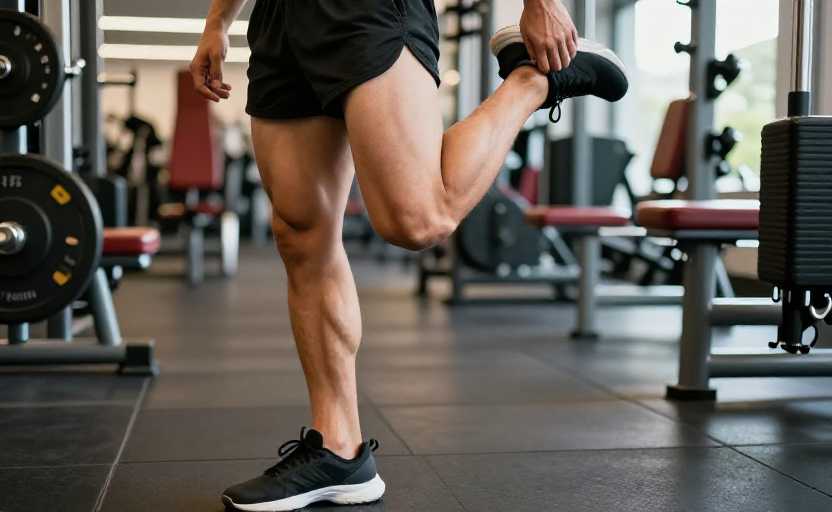
Integrating Movement Patterns for Long-Term Results
One of the most effective ways to approach posture adjustment is by focusing on functional movement patterns. Instead of isolating individual muscles, this method emphasizes how different parts of the body work together. For example, a squat engages the hips, knees, ankles, and core—all of which contribute to overall postural integrity.
This holistic approach mirrors real-life movements, making it more practical and sustainable. It also reduces the risk of injury by ensuring that the body moves in a coordinated and efficient manner. Athletes, office workers, and even older adults can benefit from incorporating these principles into their routines.
Practical Tips for Starting Your Journey
For those new to posture adjustment strength training, starting small is key. Begin with bodyweight exercises that emphasize alignment, such as wall angels or cat-cow stretches. These movements help build awareness and prepare the body for more complex exercises.
It’s also important to listen to your body. Pain is not always a sign of progress—sometimes it signals that something is off. Working with a qualified trainer or physical therapist can provide personalized guidance and ensure that your efforts are both safe and effective.
Conclusion
Posture adjustment strength training is more than a trend—it’s a necessary investment in long-term health and well-being. By understanding the connection between movement, alignment, and strength, individuals can take proactive steps toward a stronger, more balanced body. Whether you're an athlete aiming for peak performance or someone looking to ease daily discomfort, this approach offers a pathway to lasting results.
Disclaimer:
1. This article is sourced from the Internet. All content represents the author's personal views only and does not reflect the stance of this website. The author shall be solely responsible for the content.
2. Part of the content on this website is compiled from the Internet. This website shall not be liable for any civil disputes, administrative penalties, or other losses arising from improper reprinting or citation.
3. If there is any infringing content or inappropriate material, please contact us to remove it immediately. Contact us at:
