
Training Core and Lower Body Strength
Strengthening the core and lower body is essential for overall physical health, functional movement, and athletic performance. Whether you're an athlete, a fitness enthusiast, or someone looking to improve daily mobility, developing these muscle groups can significantly enhance stability, posture, and injury prevention.

The Importance of Core and Lower Body Strength
The core muscles, including the abdominals, obliques, and lower back, act as the body’s central stabilizer. They provide the foundation for nearly every movement, from lifting objects to running or even sitting upright. Meanwhile, the lower body—comprising the hips, thighs, and calves—plays a critical role in balance, power generation, and endurance. Together, they form a synergistic system that supports both everyday activities and high-intensity workouts.
Consider a simple task like climbing stairs. Without strong legs and a stable core, this action becomes inefficient and potentially risky. Similarly, during more complex movements such as squats, deadlifts, or even yoga poses, the interplay between the core and lower body determines how effectively and safely you perform the movement.
Effective Training Strategies
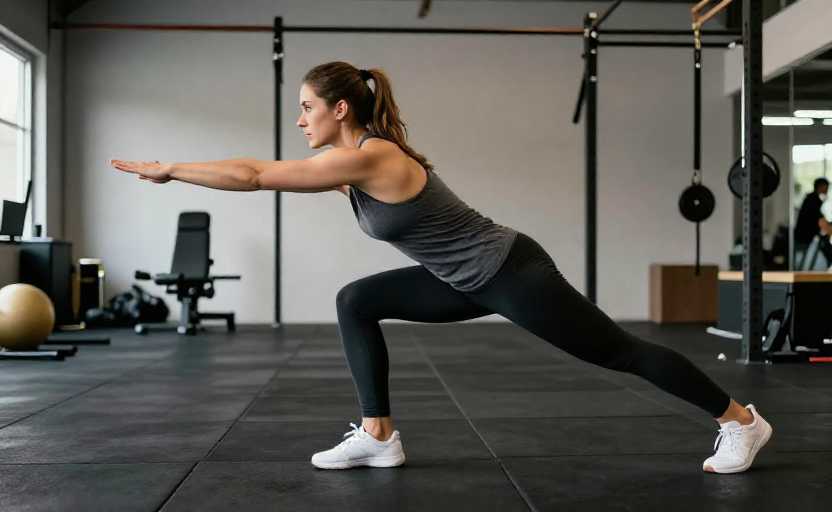
Building strength in these areas doesn’t require complex equipment or long hours in the gym. A well-rounded routine that includes compound movements, resistance training, and bodyweight exercises can yield significant results. For instance, squats, lunges, and planks are foundational exercises that engage multiple muscle groups simultaneously, promoting functional strength and coordination.
One effective approach is to incorporate progressive overload—gradually increasing the intensity, weight, or difficulty of your workouts over time. This ensures continuous adaptation and growth. Additionally, focusing on proper form is crucial. Even the most advanced lifters must prioritize technique to avoid strain and maximize effectiveness.
Real-World Applications and Benefits
Beyond aesthetics, the benefits of core and lower body strength extend into real-life scenarios. For example, a construction worker who regularly lifts heavy materials will find that improved leg and core strength reduces fatigue and minimizes the risk of back injuries. Similarly, a runner with strong glutes and hamstrings may experience better stride efficiency and reduced joint stress.
In sports, athletes across various disciplines—from basketball players to martial artists—rely on these muscle groups for power, agility, and control. A soccer player needs explosive leg strength for sprinting, while a gymnast requires core stability for balance and precision.
Tips for Consistent Progress
Consistency is key when it comes to building strength. Setting realistic goals, tracking progress, and allowing adequate recovery time are all important factors. It's also helpful to vary your routine to prevent plateaus and keep motivation high. Trying new exercises or incorporating different training methods, such as kettlebell swings or resistance bands, can add variety and challenge.
Moreover, nutrition and sleep play a vital role in muscle development. Consuming enough protein, staying hydrated, and getting sufficient rest support the body’s ability to repair and grow stronger.
Conclusion
In summary, training the core and lower body is not just about building muscle—it's about enhancing your quality of life. Whether you're aiming to improve athletic performance, boost daily functionality, or simply feel more confident in your own skin, a strong core and powerful legs are fundamental. By adopting a balanced, intentional approach to training, you can unlock greater strength, resilience, and overall well-being.
Disclaimer:
1. This article is sourced from the Internet. All content represents the author's personal views only and does not reflect the stance of this website. The author shall be solely responsible for the content.
2. Part of the content on this website is compiled from the Internet. This website shall not be liable for any civil disputes, administrative penalties, or other losses arising from improper reprinting or citation.
3. If there is any infringing content or inappropriate material, please contact us to remove it immediately. Contact us at:
