
How to Take a Beginner's Fitness Class and Learn Effectively
Starting a fitness journey as a beginner can feel overwhelming, but with the right approach, it becomes an empowering experience. The key lies in understanding how to engage with a beginner’s fitness class in a way that builds both physical strength and mental confidence.
Understanding the Purpose of a Beginner's Fitness Class
A beginner's fitness class is designed not just to teach exercises but to lay the foundation for long-term health and wellness. It serves as a bridge between inactivity and consistent physical engagement. These classes often focus on proper form, basic movement patterns, and gradual progression—elements that are crucial for preventing injury and fostering sustainable habits.
For instance, a typical session might start with a warm-up that includes dynamic stretches, followed by a series of bodyweight exercises such as squats, push-ups, and planks. This structure ensures that participants learn to move their bodies correctly before introducing more complex or weighted movements.

Choosing the Right Class and Instructor
Selecting the appropriate class and instructor is one of the most critical decisions a beginner can make. A good instructor doesn’t just demonstrate moves—they guide, correct, and inspire. Look for someone who has experience working with beginners and who communicates clearly, offering modifications when needed.
Consider visiting different classes before committing to one. Observe how the instructor interacts with students, whether they encourage individual progress, and if the environment feels welcoming. A positive atmosphere can significantly impact motivation and learning outcomes.
Setting Realistic Goals and Expectations
One of the biggest challenges for beginners is setting unrealistic expectations. It’s easy to compare oneself to others or expect rapid results, but fitness is a gradual process. Instead, focus on small, measurable goals such as increasing endurance, improving posture, or mastering a particular movement.
For example, a beginner might aim to complete a 10-minute cardio session without stopping, or to perform 10 push-ups with proper form. These incremental achievements build momentum and reinforce a sense of accomplishment.
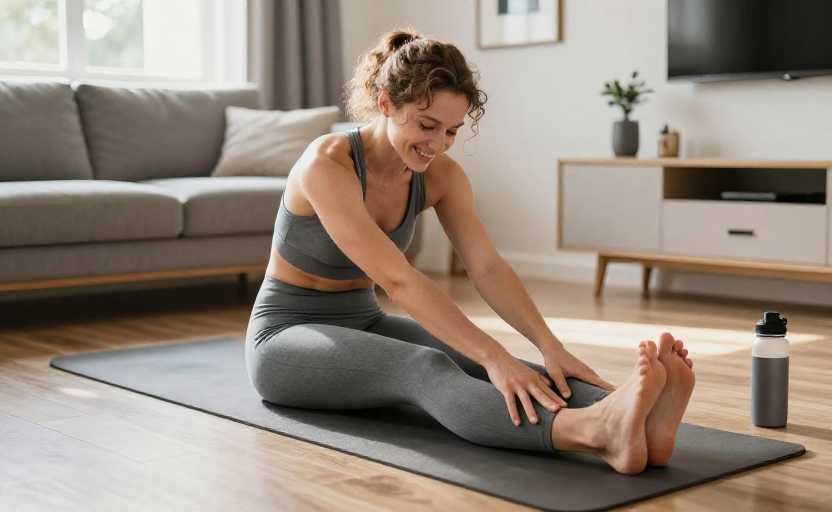
Engaging Actively in the Learning Process
Passivity is the enemy of progress. Active participation means paying attention to cues, asking questions, and taking notes if necessary. Don’t hesitate to request demonstrations or explanations if something isn’t clear. Many instructors appreciate feedback and are happy to adjust their teaching style to better suit the group.
Moreover, reflecting on each session can help identify areas for improvement. After class, take a few minutes to think about what went well and what could be adjusted next time. This habit turns each workout into a learning opportunity.
Consistency Over Perfection
Consistency is more important than perfection in the early stages. It’s better to attend a class regularly, even if the performance isn’t flawless, than to skip sessions due to fear of making mistakes. Every session contributes to muscle memory, strength development, and overall fitness awareness.
Imagine a beginner who attends three times a week versus someone who only goes once a month. The former will likely see more noticeable improvements over time, even if their form is still developing. The key is to show up and keep going.
Embracing the Journey with Patience and Curiosity
Fitness is not a sprint; it’s a long-term commitment. As a beginner, it’s natural to feel uncertain or frustrated at times, but these feelings are part of the process. Embrace the journey with patience and curiosity. Ask questions, seek guidance, and allow yourself to grow at your own pace.
Remember, every expert was once a beginner. The path to fitness is paved with small steps, and each class brings you closer to your goals. Stay open to learning, stay committed to progress, and enjoy the transformation that comes with consistent effort.
Disclaimer:
1. This article is sourced from the Internet. All content represents the author's personal views only and does not reflect the stance of this website. The author shall be solely responsible for the content.
2. Part of the content on this website is compiled from the Internet. This website shall not be liable for any civil disputes, administrative penalties, or other losses arising from improper reprinting or citation.
3. If there is any infringing content or inappropriate material, please contact us to remove it immediately. Contact us at:
