
The Differences Between Working Out at a Gym and Exercising at Home
Working out at a gym versus exercising at home represents two distinct approaches to physical fitness, each with its own set of advantages, challenges, and outcomes. While both environments aim to improve health and build strength, the experience and effectiveness can vary significantly depending on individual preferences, goals, and circumstances.
Environment and Atmosphere
A gym is designed specifically for exercise, offering a dedicated space filled with specialized equipment, such as weight racks, cardio machines, and resistance tools. The environment is often vibrant, with the presence of other individuals working out, which can create a sense of motivation and community. This energy can be contagious, pushing individuals to push harder and stay consistent. In contrast, home workouts are more flexible in terms of location and timing but may lack the same level of external stimulation. Without the structured ambiance of a gym, some people might find it harder to stay focused or disciplined.

Access to Equipment and Expertise
Gyms typically provide a wide range of equipment that may not be feasible to replicate at home, especially for those who are new to fitness or looking to explore different types of training. Additionally, many gyms offer personal trainers, group classes, and instructional resources that can enhance the learning process and ensure proper form. At home, individuals must either invest in their own equipment or rely on online tutorials, which can sometimes lead to improper technique or limited variety in workout routines.
Cost and Commitment
While home workouts can be more cost-effective in the long run—especially if one already owns basic equipment—gym memberships often come with additional perks such as access to pools, saunas, and wellness programs. However, the financial commitment required for a gym membership can be a barrier for some. On the flip side, home workouts require an initial investment in equipment and may demand more self-discipline to maintain consistency without the structure provided by a gym’s schedule or social accountability.
Flexibility and Convenience
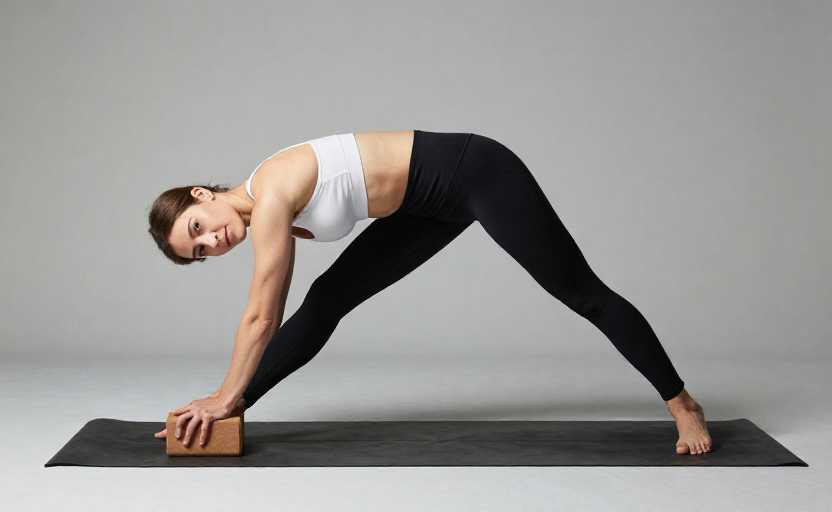
One of the most significant benefits of working out at home is the flexibility it offers. There is no need to commute, wait for equipment, or adhere to a strict timetable. This makes home workouts ideal for busy schedules or for those who prefer a more personalized routine. Gyms, while structured, can sometimes feel restrictive due to crowded spaces or limited availability of certain machines. However, they also provide a sense of routine and discipline that can be beneficial for long-term adherence to a fitness regimen.
Social Interaction and Motivation
The social aspect of a gym can be a powerful motivator. Whether through friendly competition, group classes, or simply the presence of others, the gym environment fosters a sense of belonging and shared purpose. Home workouts, while convenient, may lack this social element, which can impact motivation over time. That said, some individuals thrive in solitude and find that working out alone allows them to focus better and develop a stronger personal connection to their fitness journey.
Conclusion
Ultimately, the choice between a gym and home workouts depends on individual needs, preferences, and lifestyle. A gym offers structure, variety, and social engagement, while a home setting provides flexibility, privacy, and convenience. Both environments have their unique strengths, and the key to success lies in finding the approach that best aligns with one's goals, habits, and long-term commitment to a healthier lifestyle. Whether you choose the gym or your living room, the most important factor is consistency and a genuine desire to improve.
Disclaimer:
1. This article is sourced from the Internet. All content represents the author's personal views only and does not reflect the stance of this website. The author shall be solely responsible for the content.
2. Part of the content on this website is compiled from the Internet. This website shall not be liable for any civil disputes, administrative penalties, or other losses arising from improper reprinting or citation.
3. If there is any infringing content or inappropriate material, please contact us to remove it immediately. Contact us at:
