
Core Strength Training: The Foundation of Effective Back Exercise
Strengthening the core is not just a fitness trend—it’s a fundamental component of physical health and performance. Whether you're an athlete, a desk worker, or someone looking to improve daily functionality, building a strong core can significantly enhance stability, posture, and injury prevention. This article explores the importance of core strength training, its role in supporting the lower back, and practical methods to integrate it into your routine.
The Role of the Core in Spinal Health
At the heart of every movement lies the core—comprising the abdominal muscles, lower back, and pelvic region. These muscles act as a natural corset, stabilizing the spine and pelvis during both static and dynamic activities. When the core is weak, the lower back becomes overburdened, leading to poor posture, chronic pain, and increased risk of injury. Think of the core as the foundation of a house; without it, the structure is vulnerable to collapse.
In real-world scenarios, consider a construction worker lifting heavy materials or a runner navigating uneven terrain. Without a solid core, these individuals are more likely to experience strain or discomfort. Strengthening the core helps distribute forces more evenly across the body, reducing the load on the lumbar spine and promoting long-term musculoskeletal health.
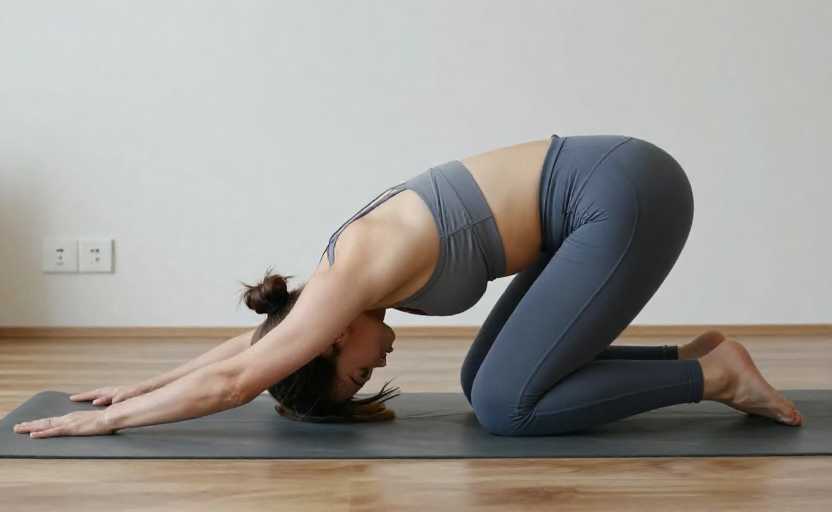
Key Exercises for Core Development
Effective core training goes beyond crunches and sit-ups. A well-rounded program should include exercises that engage multiple muscle groups and simulate functional movements. Planks, bird dogs, and dead bugs are excellent choices for building endurance and control. These exercises challenge the body in different planes of motion, enhancing overall stability.
For those new to core training, starting with bodyweight exercises is ideal. As strength improves, incorporating resistance bands, medicine balls, or kettlebells can add variety and increase difficulty. It's also important to focus on proper form—many people sacrifice technique for speed, which can lead to ineffective workouts or even injury.
Integrating Core Work Into Daily Life
The benefits of core strength extend far beyond the gym. Incorporating core-focused movements into everyday activities can make a significant difference. Simple actions like bending to pick up an object, standing for long periods, or even sitting at a desk can be performed with better alignment and less strain when the core is strong.
Consider the case of office workers who often suffer from lower back pain due to prolonged sitting. By adding short, regular core activation exercises throughout the day—such as seated torso twists or wall sits—they can maintain better posture and reduce discomfort. Similarly, athletes can use core training to improve balance, power, and agility, which are essential for peak performance.

The Mind-Muscle Connection
One often overlooked aspect of core training is the mind-muscle connection. Engaging the core requires awareness and intention. Many people go through the motions without truly activating the muscles they’re trying to strengthen. Practicing mindfulness during exercise—focusing on the sensation of the muscles working—can enhance the effectiveness of each movement.
This connection is especially crucial in rehabilitation settings. Physical therapists frequently prescribe core exercises to patients recovering from back injuries, emphasizing the need for controlled, deliberate movements. The goal is not just to build strength but to retrain the body to move efficiently and safely.
Conclusion
In conclusion, core strength training is a vital element of any comprehensive fitness or rehabilitation program. It supports the lower back, enhances functional movement, and contributes to overall physical resilience. By understanding the role of the core and incorporating targeted exercises into daily routines, individuals can achieve greater stability, reduce pain, and improve their quality of life. Whether you're aiming for athletic performance or simply better posture, a strong core is the foundation upon which all other physical achievements are built.
Disclaimer:
1. This article is sourced from the Internet. All content represents the author's personal views only and does not reflect the stance of this website. The author shall be solely responsible for the content.
2. Part of the content on this website is compiled from the Internet. This website shall not be liable for any civil disputes, administrative penalties, or other losses arising from improper reprinting or citation.
3. If there is any infringing content or inappropriate material, please contact us to remove it immediately. Contact us at:
