
Group Fitness Classes: A Dynamic Way to Stay Active
Group fitness classes have become a cornerstone of modern wellness culture, offering participants an engaging and socially enriching way to maintain physical health. Whether you're a seasoned athlete or a beginner looking to get started, these sessions provide a structured environment that fosters motivation, accountability, and community. The energy of a group setting can be incredibly motivating, making it easier to push through challenging workouts and stay committed to long-term fitness goals.
The Benefits of Group Fitness
One of the most compelling advantages of group fitness is its ability to transform routine exercise into an enjoyable experience. Unlike solo workouts, which can sometimes feel monotonous, group classes introduce variety, rhythm, and a sense of shared purpose. Instructors often design routines that blend cardio, strength training, and flexibility exercises, ensuring a well-rounded workout that targets multiple aspects of fitness. This holistic approach not only enhances physical performance but also reduces the risk of injury by promoting proper form and technique.
Moreover, the social aspect of group fitness should not be underestimated. Exercising with others creates a supportive atmosphere where participants can encourage one another, share progress, and build lasting friendships. This sense of camaraderie can significantly boost mental well-being, reducing stress and improving mood. Many people find that the accountability provided by a group helps them stay consistent, even when motivation wanes.

Types of Group Fitness Classes
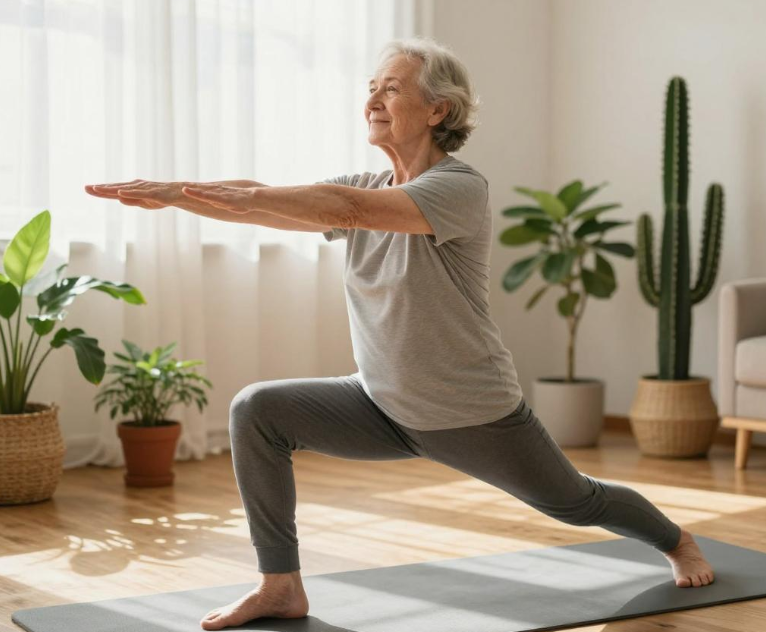
The diversity of group fitness classes ensures there is something for everyone, regardless of age, fitness level, or personal preferences. High-energy options like Zumba and spin classes cater to those who enjoy fast-paced, music-driven workouts. For individuals seeking a more mindful approach, yoga and Pilates offer opportunities to focus on balance, flexibility, and core strength. Strength training classes, such as boot camps or circuit training, are ideal for those aiming to build muscle and increase endurance.
Each class type comes with its own unique benefits and challenges. For instance, a spinning session might push participants to their limits with intervals of intense pedaling, while a yoga class encourages a slower, more reflective pace. Understanding the differences between these styles allows individuals to choose classes that align with their goals and comfort levels.
Creating a Positive Group Fitness Experience
To maximize the benefits of group fitness, both instructors and participants play a crucial role in shaping the environment. Instructors must be knowledgeable, encouraging, and adaptable, able to modify routines to accommodate different skill levels. They should also foster a welcoming atmosphere where everyone feels valued and supported. On the other hand, participants should approach each class with an open mind, ready to engage fully and respect the space and time of others.
A key factor in creating a positive experience is communication. Instructors often welcome feedback from students, allowing them to tailor future sessions to better meet the needs of the group. Similarly, participants can benefit from sharing their goals and concerns, helping to create a more personalized and effective workout experience.
Conclusion
In today’s fast-paced world, group fitness classes offer a powerful solution for maintaining both physical and mental health. By combining structured exercise with social interaction, these classes provide a dynamic and sustainable way to stay active. Whether you're looking to lose weight, build strength, or simply connect with others, group fitness can be an invaluable part of your wellness journey. With the right mindset and a bit of dedication, anyone can find a class that suits their needs and helps them achieve their fitness goals.
Disclaimer:
1. This article is sourced from the Internet. All content represents the author's personal views only and does not reflect the stance of this website. The author shall be solely responsible for the content.
2. Part of the content on this website is compiled from the Internet. This website shall not be liable for any civil disputes, administrative penalties, or other losses arising from improper reprinting or citation.
3. If there is any infringing content or inappropriate material, please contact us to remove it immediately. Contact us at:
