
Keep Power Training on Track
In the ever-evolving world of fitness, maintaining a consistent power training routine is not just beneficial—it's essential. Whether you're an elite athlete or a casual gym-goer, the ability to stay committed to your strength regimen can significantly impact your physical performance, injury prevention, and long-term health outcomes.

The Importance of Consistency in Power Training
Power training, which focuses on the explosive force generated by muscles during movement, is a cornerstone of athletic development. Unlike traditional strength training that emphasizes maximum force, power training integrates speed and force to enhance overall performance. However, the effectiveness of this type of training hinges on one critical factor: consistency. Without regular practice, the neuromuscular adaptations that underpin power gains can fade, leading to diminished results over time.
Consider the analogy of a well-tuned engine. Just as a car requires regular maintenance to run smoothly, your body needs consistent effort to maintain and improve its power output. Skipping sessions may seem harmless in the short term, but over weeks and months, these gaps can accumulate, making it harder to regain lost momentum.
Strategies for Staying on Track
One of the most effective ways to keep power training on track is by creating a structured schedule that aligns with your lifestyle. This doesn't mean rigidly sticking to a timetable; rather, it involves finding a rhythm that works for you. For instance, if you're a busy professional, integrating short but intense power workouts into your lunch break or early morning routine can be more sustainable than trying to fit in long sessions on weekends.
Another key strategy is to set clear, achievable goals. Whether it's improving your vertical jump, increasing your sprint speed, or enhancing your ability to lift heavier weights, having specific targets helps maintain motivation. These goals should be both challenging and realistic, allowing you to measure progress and celebrate small victories along the way.
Overcoming Common Obstacles
Despite the best intentions, many people struggle to maintain their power training routines. Common obstacles include fatigue, lack of time, and waning motivation. Addressing these challenges requires a combination of mental and physical strategies. For example, when energy levels dip, focusing on high-intensity, low-duration exercises can help maintain engagement without overwhelming the body. Similarly, incorporating variety into your workouts—such as switching between resistance bands, kettlebells, and plyometric drills—can prevent boredom and keep the mind engaged.
It's also important to recognize that rest is a crucial part of any training plan. Overtraining can lead to burnout and even injury, so balancing intensity with recovery is vital. Listening to your body and adjusting your workload accordingly can make all the difference in sustaining long-term progress.
The Role of Community and Accountability
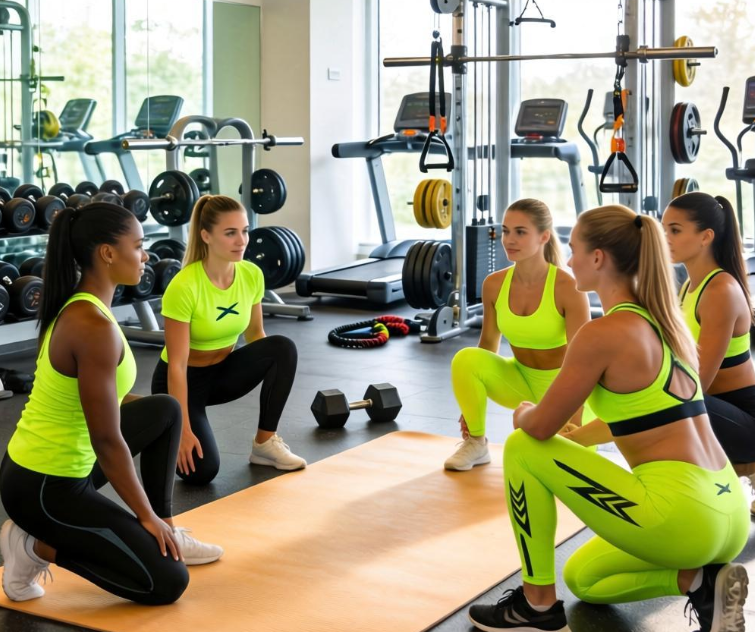
Human beings are social creatures, and the power of community should not be underestimated. Joining a group class, working with a coach, or even sharing progress with a friend can create a sense of accountability that keeps you motivated. The support of others can provide encouragement during tough times and reinforce the importance of staying committed to your goals.
Moreover, tracking your progress through journals, apps, or video recordings can offer valuable insights and help you stay focused. Seeing improvements over time, no matter how small, can be incredibly rewarding and reinforce the value of your efforts.
Conclusion
In the end, keeping power training on track is about more than just showing up at the gym. It's about cultivating a mindset that values consistency, adaptability, and long-term growth. By understanding the importance of regular practice, setting meaningful goals, and embracing the challenges that come with it, you can build a stronger, more resilient version of yourself. Whether you're chasing personal milestones or preparing for competition, the discipline to stay on track is what separates good athletes from great ones.
Disclaimer:
1. This article is sourced from the Internet. All content represents the author's personal views only and does not reflect the stance of this website. The author shall be solely responsible for the content.
2. Part of the content on this website is compiled from the Internet. This website shall not be liable for any civil disputes, administrative penalties, or other losses arising from improper reprinting or citation.
3. If there is any infringing content or inappropriate material, please contact us to remove it immediately. Contact us at:
