
800-Meter Training Plan for Strength Development
The 800-meter race is a unique event that demands a blend of speed, endurance, and strength. A well-structured training plan focusing on strength development can significantly enhance performance, allowing athletes to maintain form and power throughout the entire distance. This article explores how integrating strength training into an 800-meter program can lead to measurable improvements in both speed and stamina.
Understanding the Role of Strength in 800-Meter Running
Strength is not just about lifting heavy weights; it's about building the muscular power necessary to drive forward efficiently. For 800-meter runners, this includes lower-body strength for explosive starts and mid-race surges, as well as core stability to maintain proper running posture. Without adequate strength, even the most technically sound runner may struggle to sustain pace or avoid fatigue early in the race.
Consider the analogy of a car engine—without sufficient power, the vehicle cannot accelerate quickly or maintain speed over long distances. Similarly, a runner with strong legs and a stable core can generate more force with each stride, leading to better overall performance. This is why strength training should be a cornerstone of any 800-meter training regimen.
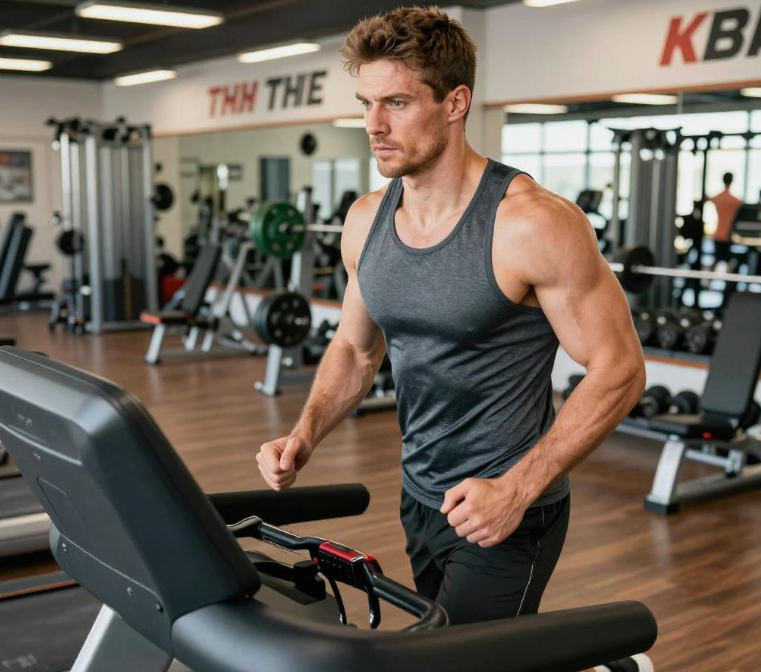
Integrating Strength Work into the Training Cycle
A successful 800-meter training plan balances aerobic conditioning with strength development. The key is to time strength sessions appropriately so they complement, rather than hinder, the primary running workouts. Typically, strength training is scheduled on days when the athlete is not doing high-intensity interval work or long runs, allowing for adequate recovery.
For example, a typical week might include two days of strength training, one day of tempo runs, one day of interval training, and one day of rest or active recovery. On strength days, focus on compound movements such as squats, deadlifts, lunges, and plyometric exercises like box jumps or bounding. These movements mimic the dynamic actions required in running and help build functional strength.
Real-World Application: Case Study of a Mid-Level 800-Meter Runner
Take the case of a 17-year-old female runner who struggled with maintaining her pace in the second half of races. After incorporating a six-week strength training program focused on lower body power and core stability, she saw a noticeable improvement in her split times. Her coach noted that her strides became more efficient, and she was able to push harder during the final 200 meters without losing form. This real-world example underscores the tangible benefits of strength training for 800-meter athletes.

Key Considerations for Effective Strength Training
While strength training offers clear advantages, it’s important to approach it with care. Overtraining can lead to injury, especially if the athlete lacks proper technique or does not allow enough recovery time. It’s also essential to tailor the program to individual needs—what works for a sprinter may not be suitable for a middle-distance runner.
Another consideration is the balance between strength and flexibility. Strong muscles need to be mobile to function optimally. Incorporating regular stretching and mobility work can prevent stiffness and improve range of motion, which is crucial for maintaining running efficiency.
Conclusion: A Holistic Approach to 800-Meter Success
In conclusion, a well-designed strength training component is vital for 800-meter runners aiming to reach their full potential. By combining targeted strength work with traditional running drills, athletes can build the physical foundation needed to perform at a higher level. The journey to mastery in the 800 meters is not just about speed or endurance—it’s about developing a strong, resilient body capable of sustaining performance under pressure. With the right approach, strength training becomes an indispensable tool in the pursuit of excellence.
Disclaimer:
1. This article is sourced from the Internet. All content represents the author's personal views only and does not reflect the stance of this website. The author shall be solely responsible for the content.
2. Part of the content on this website is compiled from the Internet. This website shall not be liable for any civil disputes, administrative penalties, or other losses arising from improper reprinting or citation.
3. If there is any infringing content or inappropriate material, please contact us to remove it immediately. Contact us at:
