
Postpartum Strength Training: A Guide to Rebuilding Your Body After Childbirth
Postpartum strength training is a vital component of recovery for many new mothers, offering both physical and emotional benefits that extend far beyond the initial weeks after childbirth. It is not merely about regaining fitness but about restoring functional strength, improving mental well-being, and laying a foundation for long-term health. With the right approach, this form of exercise can become a powerful tool in the journey toward postnatal wellness.

Understanding the Postpartum Body
The human body undergoes profound changes during pregnancy and childbirth, and the recovery process varies significantly from person to person. Muscles that have been stretched or weakened, such as the core and pelvic floor, require careful attention. Hormonal fluctuations also play a role, influencing energy levels, mood, and even the ability to engage in physical activity. This makes it essential to approach strength training with an understanding of individual needs and limitations.
For many women, the first few months after giving birth are marked by fatigue, sleep deprivation, and a sense of being physically and emotionally overwhelmed. Yet, it is during this time that starting a structured strength training program can make a meaningful difference. Gentle, progressive exercises can help rebuild muscle tone, improve posture, and enhance overall vitality without overtaxing the body.
Key Principles of Postpartum Strength Training
One of the most important principles is to begin slowly and listen to the body. Many new mothers may feel pressure to return to their pre-pregnancy fitness levels quickly, but rushing the process can lead to injury or burnout. Instead, focusing on consistency rather than intensity ensures sustainable progress. Starting with bodyweight exercises, such as gentle squats, bridges, and planks, allows the body to adapt gradually while building foundational strength.
Another critical factor is the inclusion of pelvic floor exercises. These are often overlooked but are essential for restoring bladder control and preventing issues like incontinence. Incorporating Kegel exercises into a daily routine can be a simple yet effective way to support long-term pelvic health.
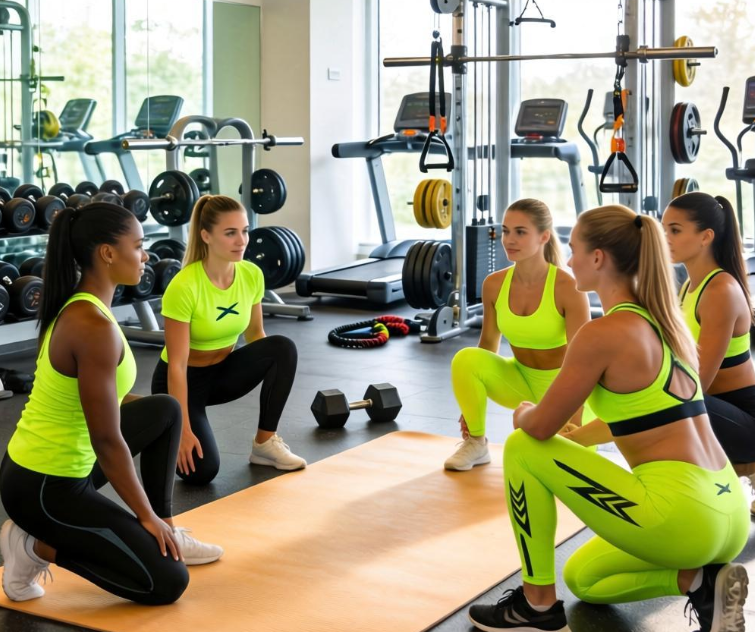
Creating a Sustainable Routine
Building a strength training routine after childbirth is not just about what you do—it’s also about how you fit it into your life. New mothers often have limited time and energy, so creating a flexible, realistic schedule is key. Short, focused sessions—such as 20–30 minutes a day—can be more manageable and sustainable than longer, less frequent workouts. Integrating strength training into daily activities, like using resistance bands while holding a baby or doing wall push-ups during a diaper change, can also make it easier to stay consistent.
Moreover, seeking guidance from a qualified professional, such as a postpartum fitness specialist or physical therapist, can provide personalized support and ensure proper form and technique. This is especially important when dealing with conditions like diastasis recti or pelvic instability, where incorrect movements can exacerbate existing issues.
The Mental and Emotional Benefits
Beyond the physical advantages, postpartum strength training offers significant mental and emotional benefits. Exercise has been shown to reduce symptoms of postpartum depression and anxiety by releasing endorphins and promoting a sense of accomplishment. For many women, the act of taking care of their bodies can be a form of self-care and empowerment, reinforcing their identity beyond motherhood.
It is also a way to reconnect with oneself. In the early days of parenthood, it's easy to lose sight of personal goals and interests. By setting aside time for strength training, mothers can reclaim a sense of agency and purpose, which can have a ripple effect on their relationships and overall happiness.
Conclusion
Postpartum strength training is more than a fitness trend—it is a thoughtful, intentional practice that supports the holistic well-being of new mothers. By approaching it with patience, knowledge, and adaptability, women can navigate the challenges of postnatal recovery with confidence and resilience. Whether through structured routines or small, daily habits, the journey back to physical strength is a deeply personal and rewarding one.
Disclaimer:
1. This article is sourced from the Internet. All content represents the author's personal views only and does not reflect the stance of this website. The author shall be solely responsible for the content.
2. Part of the content on this website is compiled from the Internet. This website shall not be liable for any civil disputes, administrative penalties, or other losses arising from improper reprinting or citation.
3. If there is any infringing content or inappropriate material, please contact us to remove it immediately. Contact us at:
