
The Six Categories of Specialized Motor Skills
Specialized motor skills are essential components of physical development, playing a crucial role in both athletic performance and everyday functional abilities. These skills encompass a range of movements that require precision, coordination, and practice, often tailored to specific activities or environments. Understanding the six categories of these skills offers valuable insights into how individuals can improve their physical capabilities and adapt to various challenges.
1. Locomotor Skills: The Foundation of Movement
At the core of any physical activity lies locomotor skills—movements that enable an individual to move from one place to another. Running, jumping, crawling, and climbing fall under this category. These skills form the basis for more complex actions and are critical in early childhood development. For instance, a child learning to run not only builds strength but also enhances balance and spatial awareness. In sports, athletes refine these skills to gain speed and agility, making them indispensable in disciplines like soccer, basketball, and track and field.
2. Manipulative Skills: Controlling Objects with Precision
Manipulative skills involve the ability to handle objects effectively. Throwing, catching, kicking, and striking are all examples of manipulative skills that require hand-eye coordination and fine motor control. In team sports, these skills determine how well a player can interact with equipment or opponents. A baseball pitcher, for example, must master the precise mechanics of throwing to achieve accuracy and power. Similarly, a tennis player relies on these skills to hit the ball with control and direction.
3. Stabilizing Skills: Maintaining Balance and Posture
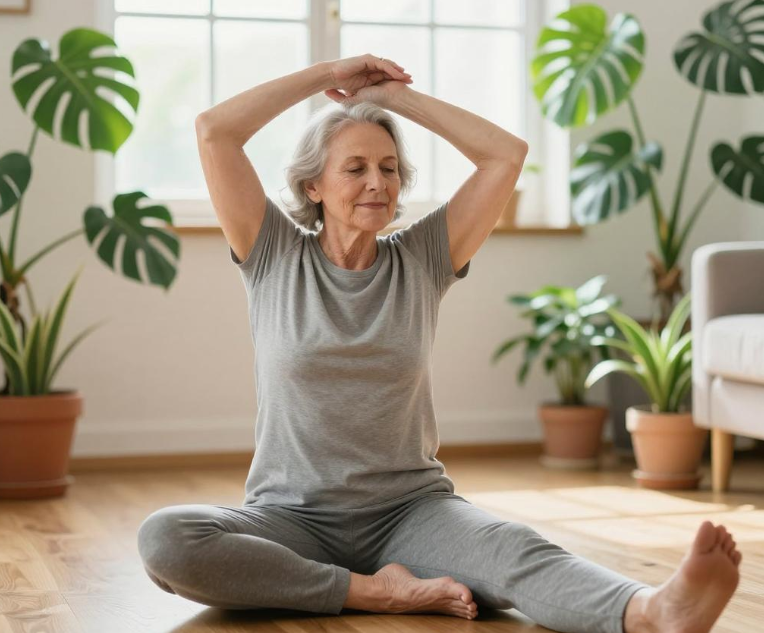
Stabilizing skills refer to the body’s ability to maintain balance and control during movement. This includes standing on one leg, bending, twisting, and maintaining posture. These skills are vital in activities ranging from yoga and martial arts to everyday tasks like lifting heavy objects or walking on uneven surfaces. A gymnast, for instance, depends heavily on stabilizing skills to perform complex routines without falling. Without strong stabilizing abilities, even simple movements can become unstable or risky.
4. Rhythmic Skills: Synchronizing Movements with Music or Patterns
Rhythmic skills involve coordinating movements with a beat or pattern, often found in dance, music, and repetitive physical exercises. These skills enhance timing, coordination, and overall body awareness. Dancers, for example, rely on rhythmic skills to align their movements with musical beats, creating fluid and expressive performances. In rehabilitation settings, rhythmic training is used to help patients regain mobility and coordination after injuries or neurological conditions.
5. Defensive Skills: Protecting and Responding to External Threats
Defensive skills are those that allow an individual to protect themselves or react to external stimuli. This includes blocking, dodging, and evading in sports, as well as self-defense techniques in real-life situations. In combat sports like boxing or martial arts, defensive skills are just as important as offensive ones. A skilled boxer not only throws punches but also knows how to avoid them, using footwork and body positioning to stay safe. These skills are also relevant in daily life, where quick reflexes can prevent accidents or injuries.
6. Recreational Skills: Engaging in Playful and Enjoyable Activities
Recreational skills are those used in leisure and social activities, such as playing games, swimming, or participating in outdoor adventures. These skills often combine elements of the other five categories and emphasize enjoyment and social interaction. For example, a person who enjoys rock climbing may use locomotor, manipulative, and stabilizing skills simultaneously while also engaging in problem-solving and risk assessment. Recreational skills contribute to mental well-being and foster connections between individuals through shared experiences.
In summary, the six categories of specialized motor skills—locomotor, manipulative, stabilizing, rhythmic, defensive, and recreational—form a comprehensive framework for understanding human movement. Each category plays a unique role in physical development, performance, and daily life. Whether in sports, rehabilitation, or simply navigating the world, these skills are fundamental to achieving balance, control, and efficiency in movement. Recognizing and developing them can lead to improved physical health, enhanced athletic performance, and greater overall quality of life.
Disclaimer:
1. This article is sourced from the Internet. All content represents the author's personal views only and does not reflect the stance of this website. The author shall be solely responsible for the content.
2. Part of the content on this website is compiled from the Internet. This website shall not be liable for any civil disputes, administrative penalties, or other losses arising from improper reprinting or citation.
3. If there is any infringing content or inappropriate material, please contact us to remove it immediately. Contact us at:
