
Basic Techniques for Preventing Sports Injuries
Preventing sports injuries is not just about avoiding pain or setbacks—it's about ensuring long-term performance, safety, and enjoyment in any physical activity. Whether you're a professional athlete or someone who enjoys weekend workouts, understanding and applying fundamental injury prevention strategies can make all the difference.
The Importance of Warm-Up and Cool-Down Routines
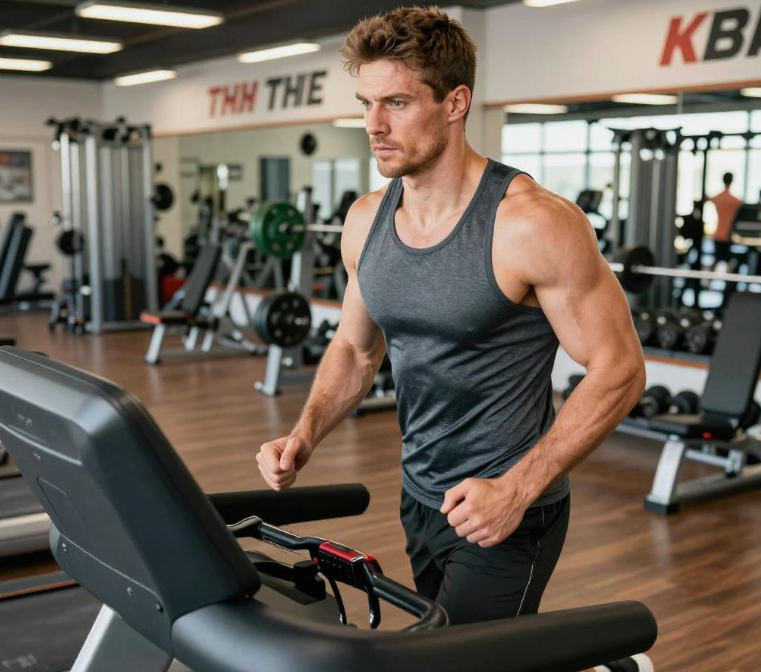
A well-structured warm-up is often overlooked but plays a critical role in preparing the body for physical exertion. Think of it as a pre-flight checklist for your muscles and joints. A dynamic warm-up that includes movements like leg swings, arm circles, and light jogging helps increase blood flow, enhance flexibility, and activate key muscle groups. On the flip side, a cool-down routine—such as static stretching or slow walking—helps the body transition back to a resting state, reducing the risk of post-exercise soreness and stiffness. These routines are not just rituals; they are essential components of a balanced training regimen.
Proper Technique and Form Matter
Many injuries occur not from overexertion but from incorrect form. Imagine lifting weights with poor posture—it’s like driving a car with a misaligned steering wheel. Even small deviations in movement patterns can place undue stress on joints and muscles. Coaches, trainers, or even online tutorials can offer valuable guidance on maintaining proper technique. For instance, when performing squats, keeping the back straight and knees aligned with the toes can significantly reduce the risk of knee or lower back injuries. The goal is to move efficiently, not just forcefully.

Strength and Flexibility Training
Building a strong foundation through targeted strength and flexibility exercises is another cornerstone of injury prevention. Muscles that are weak or imbalanced are more prone to strain or tear. Incorporating resistance training, such as weightlifting or bodyweight exercises, helps reinforce stability and power. Meanwhile, regular stretching or practices like yoga improve range of motion and reduce the likelihood of tightness that can lead to injury. It's akin to maintaining a car: without regular tune-ups, even the best engine can break down.
Listening to Your Body
One of the most overlooked yet crucial aspects of injury prevention is paying attention to your body’s signals. Fatigue, persistent pain, or unusual discomfort should never be ignored. Pushing through these signs can lead to more severe issues down the line. Athletes often compare this to a car’s dashboard warning lights—if something is wrong, it’s time to stop and assess. Rest, recovery, and seeking professional advice when needed are not signs of weakness but of wisdom.
Appropriate Equipment and Environment
Using the right gear and training in safe conditions can also play a significant role in preventing injuries. Wearing properly fitted shoes, using protective equipment like braces or mouthguards, and ensuring that the training environment is free from hazards all contribute to a safer experience. For example, running on uneven surfaces without appropriate footwear increases the risk of ankle sprains. Similarly, training in extreme weather conditions without proper preparation can lead to heat exhaustion or hypothermia.
Consistency and Gradual Progression
Injury prevention is not a one-time effort but a continuous process. Sudden changes in intensity, duration, or type of exercise can overwhelm the body and lead to overuse injuries. Gradual progression allows the body to adapt and build resilience over time. This principle is especially relevant for beginners or those returning to exercise after a break. Just as a marathon runner doesn’t start with a full 26-mile run, athletes should build up their workload systematically.
Conclusion
Preventing sports injuries requires a multifaceted approach that combines smart training practices, body awareness, and environmental considerations. By prioritizing warm-ups, mastering technique, building strength, and staying attuned to physical cues, individuals can significantly reduce their risk of harm. Ultimately, the goal is not just to perform better but to sustain performance over time, ensuring that every session contributes positively to long-term health and fitness.
Disclaimer:
1. This article is sourced from the Internet. All content represents the author's personal views only and does not reflect the stance of this website. The author shall be solely responsible for the content.
2. Part of the content on this website is compiled from the Internet. This website shall not be liable for any civil disputes, administrative penalties, or other losses arising from improper reprinting or citation.
3. If there is any infringing content or inappropriate material, please contact us to remove it immediately. Contact us at:
