
What Does Injury Prevention in Sports Include?
Injury prevention in sports is a multifaceted approach that goes beyond simply avoiding harm; it involves proactive strategies designed to enhance performance while minimizing the risk of physical setbacks. Whether you're an elite athlete or a weekend warrior, understanding and implementing these preventive measures can significantly impact your long-term engagement with physical activity.
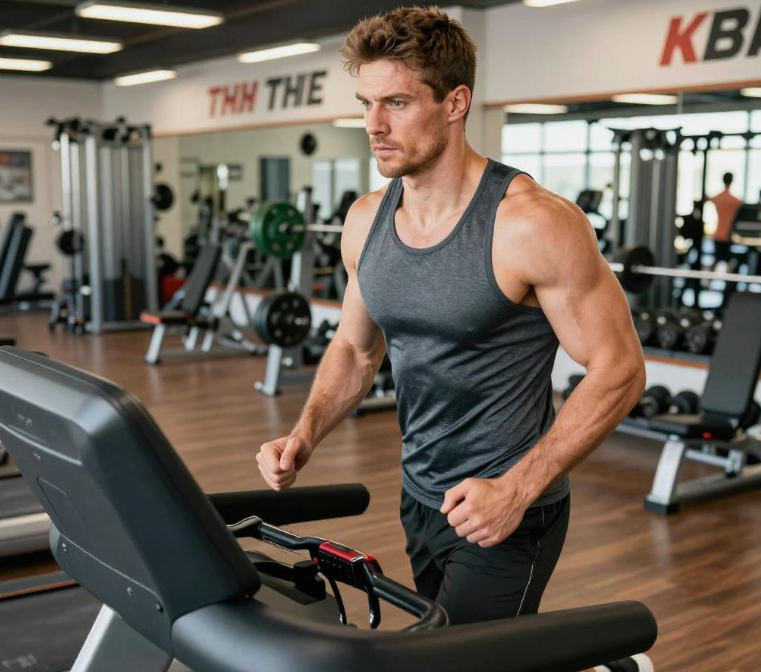
The Foundation: Proper Warm-Up and Cool-Down Routines
A well-structured warm-up is more than just a pre-game ritual—it's a critical component of injury prevention. It prepares the body for the demands of physical exertion by increasing heart rate, improving blood flow to muscles, and enhancing joint mobility. Think of it as the engine of your workout—without it, performance suffers and the risk of strain or tear rises. Similarly, a cool-down phase helps the body transition back to a resting state, reducing muscle soreness and promoting recovery. A simple yet effective routine might include dynamic stretches followed by static stretching, along with light cardio to bring the heart rate down gradually.
Strength and Conditioning: Building a Resilient Body
Muscle imbalances and weak stabilizing muscles are often overlooked but are major contributors to common sports injuries such as sprains, strains, and even more severe conditions like ACL tears. Incorporating strength training into your regimen isn't just about building bulk—it's about creating a strong, stable foundation. For instance, runners who focus on core and lower-body strength often experience fewer knee and shin-related issues. The key is to target not only the primary muscles used in your sport but also the supporting ones that help maintain proper form and reduce undue stress on joints.

Technique and Form: The Unsung Heroes of Safety
Even the most physically prepared athlete can suffer an injury if their technique is flawed. Poor form during lifts, jumps, or landings places unnecessary pressure on the body’s structures, increasing the likelihood of injury. Coaches and trainers play a vital role here, offering real-time feedback and correcting posture or movement patterns. Imagine a basketball player landing awkwardly after a jump—this could lead to a serious ankle or knee injury if not addressed early. Refining technique through practice and guidance is an essential part of any athlete's development.
Rest and Recovery: The Often Overlooked Element
Injuries often stem from overuse rather than acute trauma. Pushing through fatigue without adequate rest can lead to chronic issues that may require extended time away from the field. Recovery is not just about sleep—it includes active recovery methods like foam rolling, massage, and low-intensity exercise. Many professional teams now integrate recovery protocols into their schedules, recognizing that rest is not a sign of weakness but a strategic necessity. Athletes who prioritize recovery tend to perform better and stay healthier over time.
Equipment and Environment: The External Factors
Protective gear such as helmets, pads, and supportive footwear is crucial in many sports, especially those involving contact or high-impact movements. However, the right equipment must be properly fitted and maintained. A helmet that doesn’t sit correctly or shoes that lack sufficient support can do more harm than good. Additionally, the environment in which you train matters. Uneven surfaces, poor lighting, or inadequate facilities can all contribute to accidents. Ensuring that your training space is safe and well-maintained is an important step in preventing avoidable injuries.
Education and Awareness: Knowing Your Limits
Understanding your body's signals is a powerful tool in injury prevention. Pain, stiffness, or unusual fatigue should not be ignored—they are warning signs that something is off. Educating yourself on common injuries in your sport and how to recognize early symptoms can help you take timely action. For example, recognizing the early signs of a stress fracture can prevent a full-blown break that would require surgery. Staying informed and listening to your body can make all the difference between a minor setback and a major career disruption.
Conclusion
Injury prevention in sports is not a one-size-fits-all solution. It requires a combination of physical preparation, technical refinement, environmental awareness, and personal responsibility. By integrating these elements into your training and lifestyle, you create a robust defense against the risks inherent in physical activity. Ultimately, the goal is not just to avoid injury but to build a sustainable, healthy relationship with sport—one that allows you to thrive both on and off the field.
Disclaimer:
1. This article is sourced from the Internet. All content represents the author's personal views only and does not reflect the stance of this website. The author shall be solely responsible for the content.
2. Part of the content on this website is compiled from the Internet. This website shall not be liable for any civil disputes, administrative penalties, or other losses arising from improper reprinting or citation.
3. If there is any infringing content or inappropriate material, please contact us to remove it immediately. Contact us at:
