
Basic Motor Skills and Specialized Athletic Performance
In the dynamic landscape of sports science and physical development, the distinction between basic motor skills and specialized athletic performance is not merely academic—it is foundational to understanding how individuals progress from general physical competence to elite-level expertise. While both are essential components of human movement, they serve different purposes and require distinct approaches in training and evaluation.
The Foundation: Basic Motor Skills
At the core of every athlete’s journey lies a set of fundamental movements that form the building blocks of physical capability. These include actions such as running, jumping, throwing, and balancing—movements that are innate to human development but can be refined through practice. Basic motor skills are not just about physical ability; they are the gateway to more complex performances. Think of them as the alphabet of movement—without mastering these basics, it becomes nearly impossible to read the more advanced "words" of sport-specific techniques.
For instance, a young gymnast must first learn to control their body weight, coordinate limbs, and maintain balance before attempting intricate routines. Similarly, a basketball player needs to develop hand-eye coordination and footwork before executing advanced dribbling or shooting techniques. These foundational skills are often overlooked in favor of immediate results, but neglecting them can lead to inefficiencies, injuries, and long-term limitations in performance.
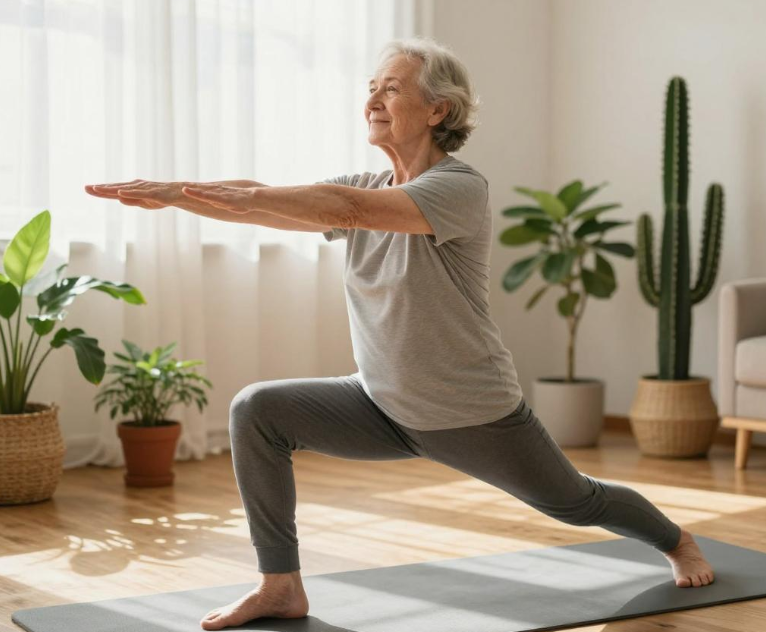
From Basics to Specialization: The Evolution of Skill
Once the foundation is solid, the focus shifts toward developing specialized athletic performance. This phase involves refining movements specific to a particular sport or activity, incorporating technical precision, tactical awareness, and physiological adaptation. Unlike basic motor skills, which are broadly applicable, specialized skills are highly context-dependent. A sprinter, for example, requires explosive power and acceleration mechanics, while a swimmer must master fluidity, breathing patterns, and stroke efficiency.
This transition is not automatic; it demands deliberate practice, feedback, and time. Coaches and trainers play a crucial role in identifying when an athlete is ready to move beyond the basics. It’s akin to moving from learning to walk to running a marathon—both are forms of locomotion, but the latter requires significantly more preparation, endurance, and strategy.
The Interplay Between the Two
While basic motor skills and specialized athletic performance may seem like separate domains, they are deeply interconnected. Strong foundational abilities enhance the effectiveness of specialized training, while mastery in a specific area can reinforce and improve general motor control. This interdependence is why many top athletes and coaches emphasize a balanced approach—prioritizing both areas throughout an athlete’s development.
Consider a soccer player who struggles with agility drills. Even if they have exceptional ball control, their overall performance may suffer due to a lack of fundamental movement efficiency. Conversely, a player with excellent agility but poor passing technique might find themselves unable to contribute effectively in a team setting. The synergy between these two skill sets is what separates good athletes from great ones.
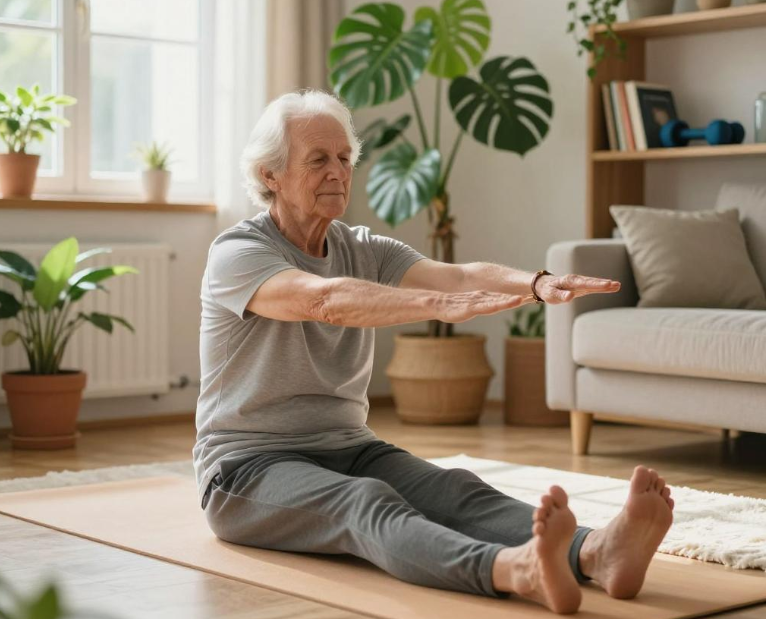
Real-World Implications and Practical Insights
In real-world training environments, the integration of basic and specialized skills is critical. For instance, in youth sports programs, there is a growing emphasis on multi-sport participation to build well-rounded physical literacy. This approach ensures that children develop a broad range of motor skills before specializing, which can reduce injury risks and increase long-term engagement in physical activity.
From a coaching perspective, recognizing when to emphasize one over the other is key. Early stages should focus on exploration and discovery, while later stages demand focused refinement. This evolution mirrors the way we learn languages—first by listening and speaking, then by reading and writing.
Conclusion
In summary, basic motor skills and specialized athletic performance represent two complementary pillars of physical development. One provides the essential tools for movement, while the other refines those tools into purposeful action. Understanding this relationship is vital for anyone involved in sports training, education, or health promotion. Whether you're a coach, an athlete, or a researcher, acknowledging the value of both areas ensures a more holistic and sustainable path to physical excellence. After all, even the most advanced skills begin with a single step—and that step is built on the foundation of basic movement.
Disclaimer:
1. This article is sourced from the Internet. All content represents the author's personal views only and does not reflect the stance of this website. The author shall be solely responsible for the content.
2. Part of the content on this website is compiled from the Internet. This website shall not be liable for any civil disputes, administrative penalties, or other losses arising from improper reprinting or citation.
3. If there is any infringing content or inappropriate material, please contact us to remove it immediately. Contact us at:
