
The Six Key Components of Specialized Sports Skills
Specialized sports skills encompass a range of abilities that are essential for athletes to perform effectively in their respective disciplines. These skills are not only foundational but also highly specific, tailored to the demands of individual sports. Understanding and developing these six key components can significantly enhance an athlete’s performance and overall competitiveness.

1. Technical Proficiency: The Foundation of Performance
At the heart of any specialized sport lies technical proficiency—the ability to execute movements with precision, control, and efficiency. Whether it's the precise footwork of a soccer player, the accurate stroke of a tennis player, or the rhythmic timing of a gymnast, technical skill is what separates elite performers from others. This component requires consistent practice, feedback, and refinement. For instance, a swimmer must master the mechanics of each stroke, including body position, arm movement, and breathing rhythm, to maximize speed and reduce energy expenditure.
2. Physical Conditioning: The Engine Behind the Skill
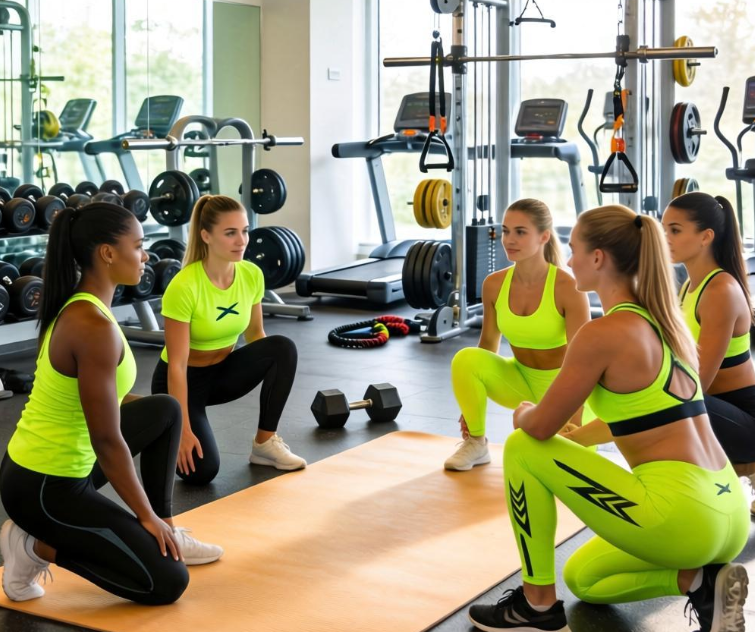
Physical conditioning serves as the engine that powers all other aspects of sports performance. It includes strength, endurance, flexibility, and agility—each of which plays a critical role depending on the sport. A basketball player, for example, needs explosive power for jumping and quick lateral movement, while a long-distance runner relies heavily on cardiovascular endurance. Without proper physical conditioning, even the most technically skilled athlete may struggle to maintain peak performance throughout a competition.
3. Tactical Awareness: The Mind Behind the Movement
Tactical awareness refers to an athlete’s ability to read the game, anticipate opponents' actions, and make split-second decisions. This skill is particularly vital in team sports, where understanding positioning, play patterns, and strategies can mean the difference between winning and losing. A football quarterback, for instance, must constantly assess the field, identify open receivers, and decide when to pass or run. This mental sharpness often develops through experience, coaching, and repeated exposure to competitive scenarios.
4. Mental Resilience: The Inner Strength to Succeed
Mental resilience is the psychological component that enables athletes to stay focused, motivated, and composed under pressure. It involves managing stress, maintaining confidence, and bouncing back from setbacks. In high-stakes environments, such as Olympic competitions or championship games, this inner strength can determine an athlete’s success. Techniques like visualization, mindfulness, and goal-setting are commonly used to build and sustain mental toughness. The ability to remain calm and centered during intense moments is a hallmark of top-tier athletes.
5. Motor Coordination: The Harmony of Body and Action
Motor coordination involves the seamless integration of sensory input, muscle control, and movement execution. It allows athletes to perform complex actions with fluidity and accuracy. From the hand-eye coordination required in baseball to the balance and control needed in skateboarding, this skill is crucial across all sports. Developing motor coordination often begins at a young age and is refined through deliberate practice and repetition. Coaches frequently use drills and exercises designed to improve reaction time and body control.
6. Adaptability: The Ability to Evolve and Improve
Adaptability is the capacity to adjust to new situations, learn from experiences, and continuously improve. In sports, where conditions, opponents, and rules can change rapidly, this skill is invaluable. An athlete who can quickly adapt to different playing styles, weather conditions, or injury challenges is more likely to succeed in the long term. This trait is often cultivated through diverse training regimens, exposure to various opponents, and a willingness to embrace feedback and change.
In conclusion, the six components of specialized sports skills—technical proficiency, physical conditioning, tactical awareness, mental resilience, motor coordination, and adaptability—form a comprehensive framework that supports athletic excellence. While each element is distinct, they are deeply interconnected, reinforcing one another to create well-rounded, high-performing athletes. Whether in professional sports or recreational settings, mastering these skills can lead to greater achievement and personal satisfaction.
Disclaimer:
1. This article is sourced from the Internet. All content represents the author's personal views only and does not reflect the stance of this website. The author shall be solely responsible for the content.
2. Part of the content on this website is compiled from the Internet. This website shall not be liable for any civil disputes, administrative penalties, or other losses arising from improper reprinting or citation.
3. If there is any infringing content or inappropriate material, please contact us to remove it immediately. Contact us at:
